English
English

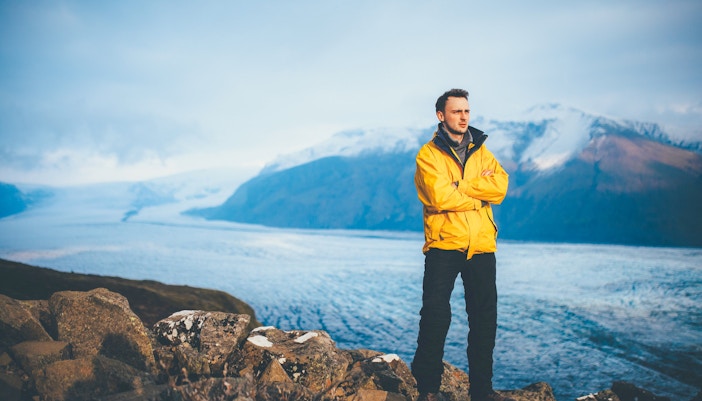
An easy, well-marked walk from the Skaftafell Visitor Centre leads to a viewpoint overlooking the glacier tongue, meltwater streams, and surrounding moraine, making it one of the best photo stops in the area.
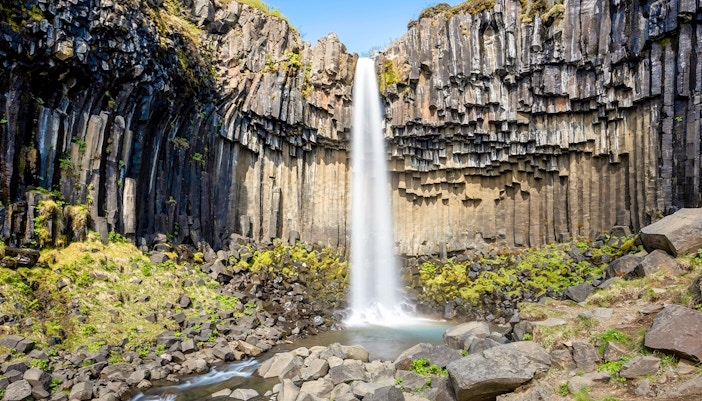
One of Skaftafell’s most recognizable landmarks, Svartifoss is set against dramatic hexagonal basalt columns and reached via a popular hiking trail through birch woodland and lava terrain.
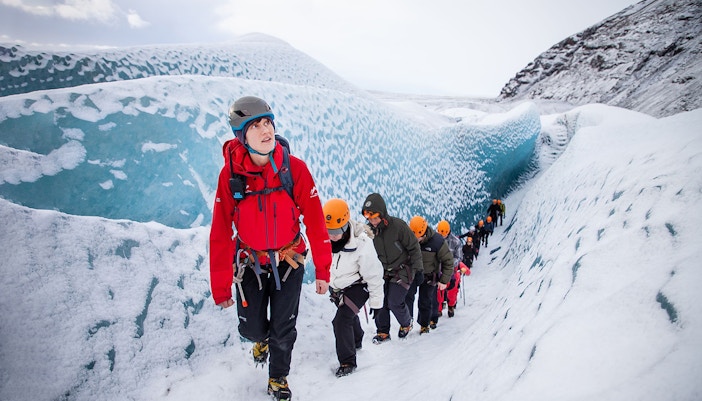
Guided glacier hikes on Falljökull and Svinafellsjökull take you onto the ice itself, where you can walk across crevasses, ridges, and ice formations while learning about glacier movement and formation.
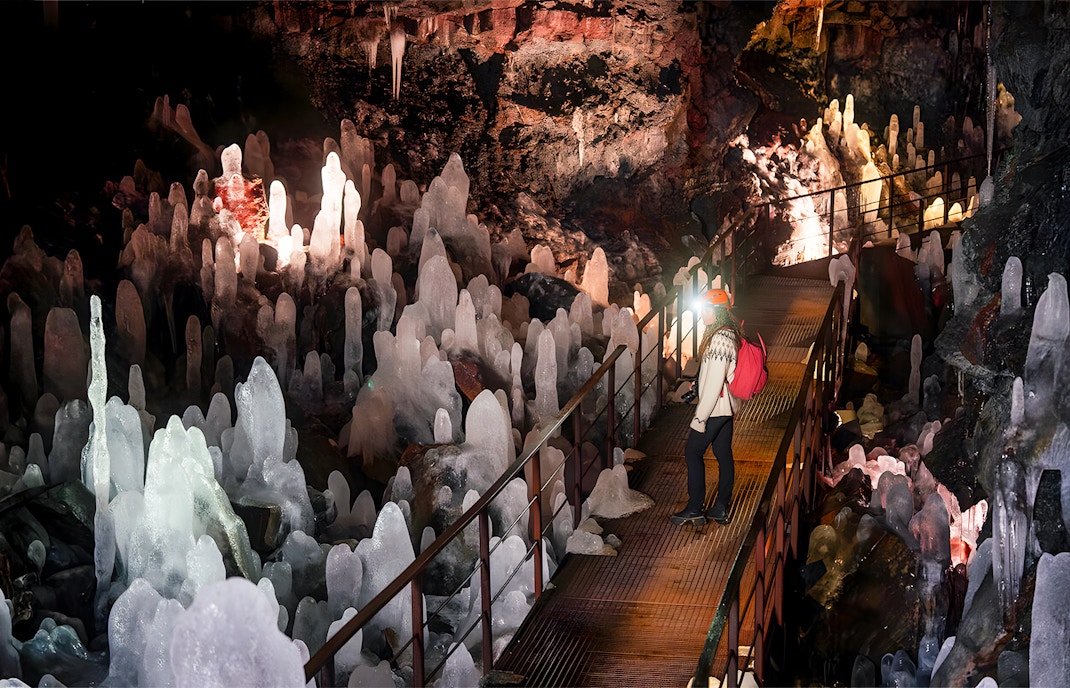
During winter, guided tours access natural ice caves beneath the glacier, where shifting ice and compressed snow create striking blue chambers that change in shape each season.
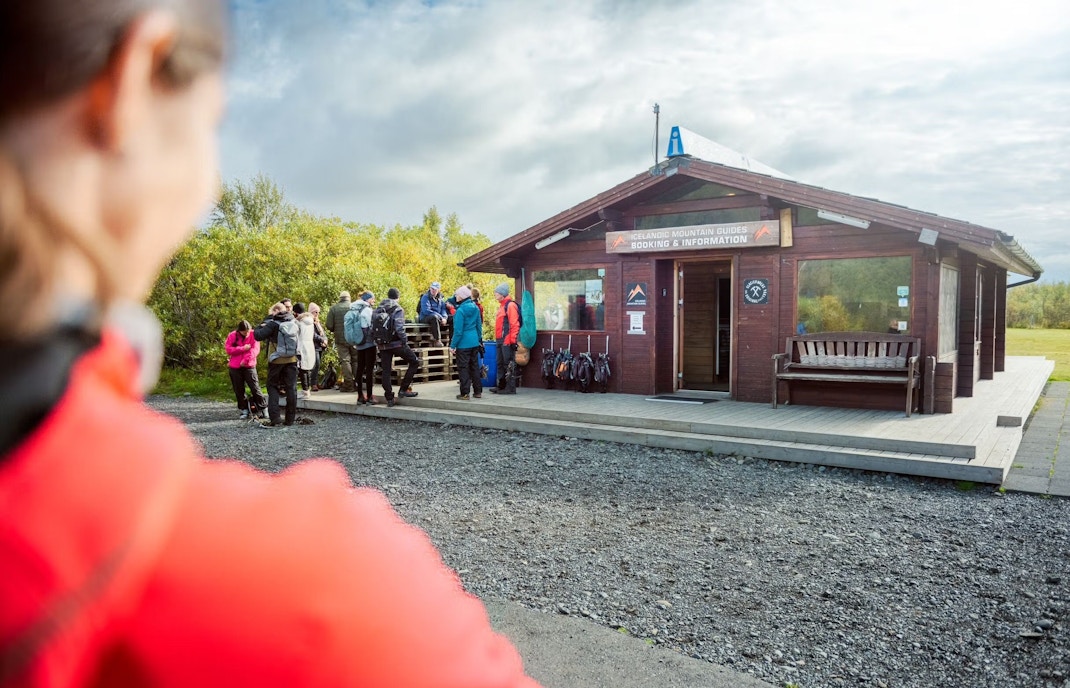
The Skaftafell Visitor Centre offers clear, informative exhibits on local geology, glacier dynamics, and national park history, along with up-to-date trail conditions and safety guidance.
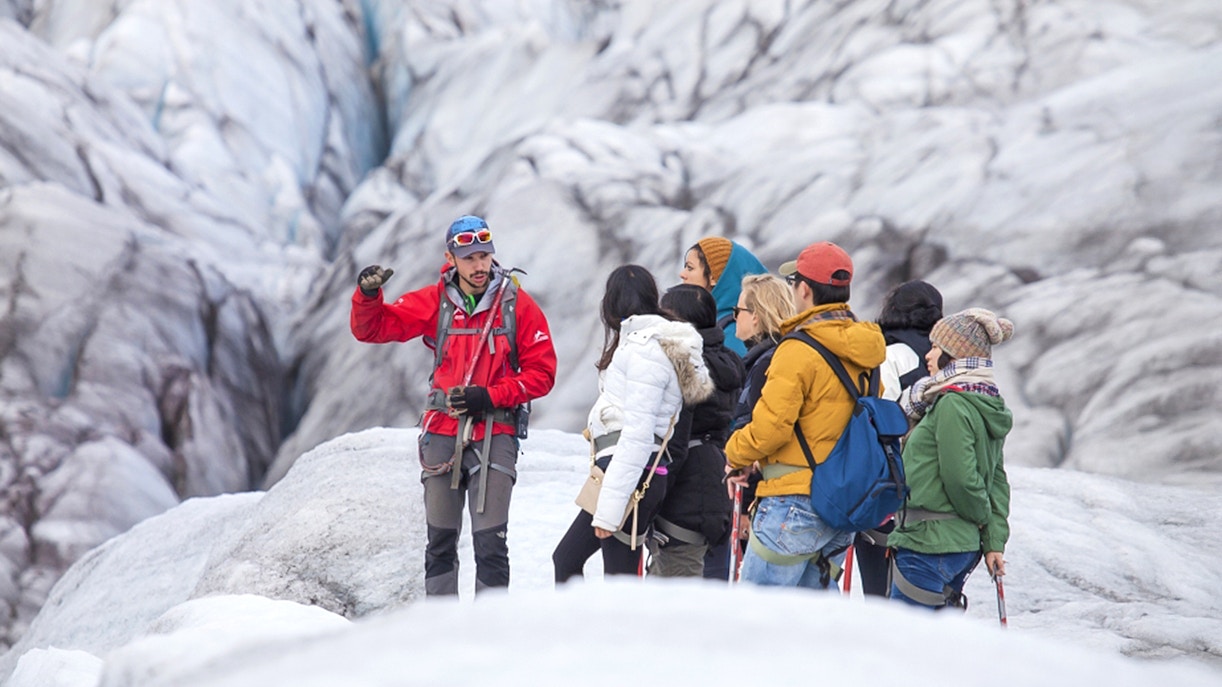
Tours from Reykjavik or along the South Coast include transport and guide services to Skaftafell and glacier activities.
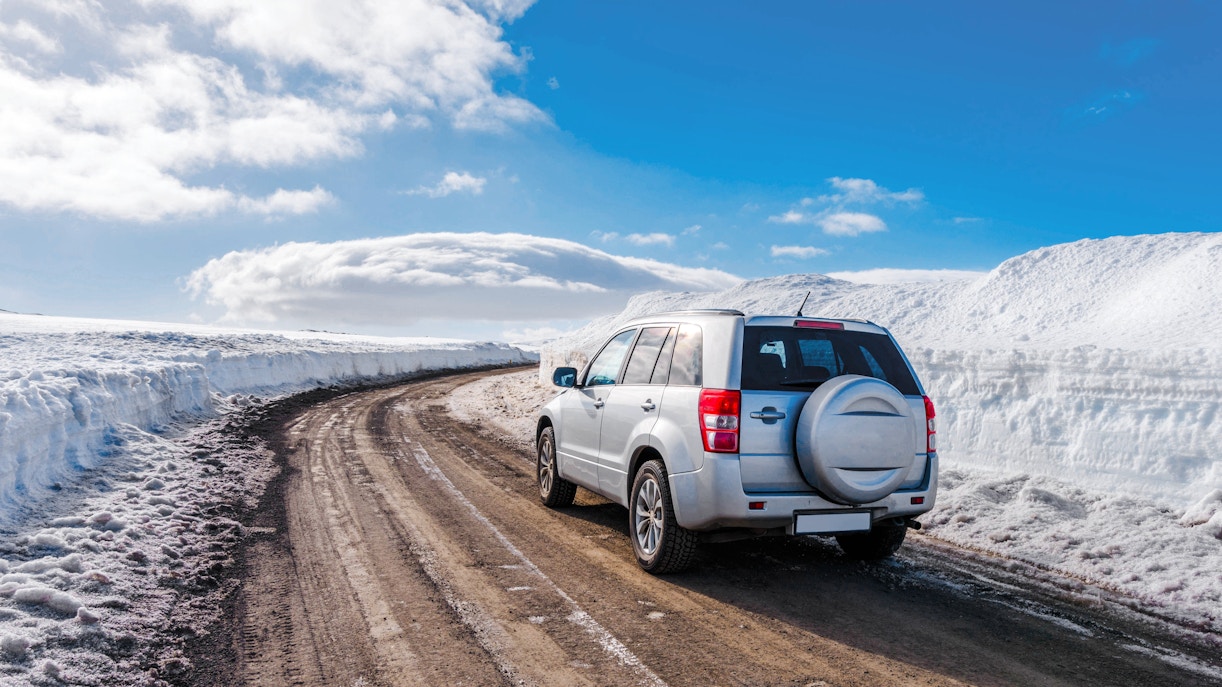
Driving along Ring Road brings you directly to the Skaftafell Visitor Centre, with flexible timing.
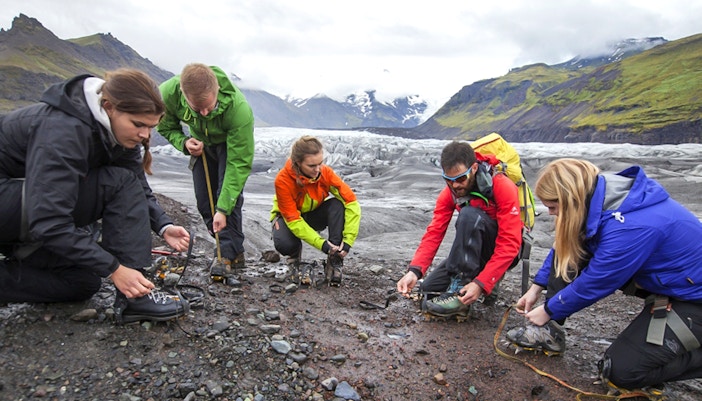
The area closest to the Visitor Centre is easy to explore on foot, with well-marked paths.
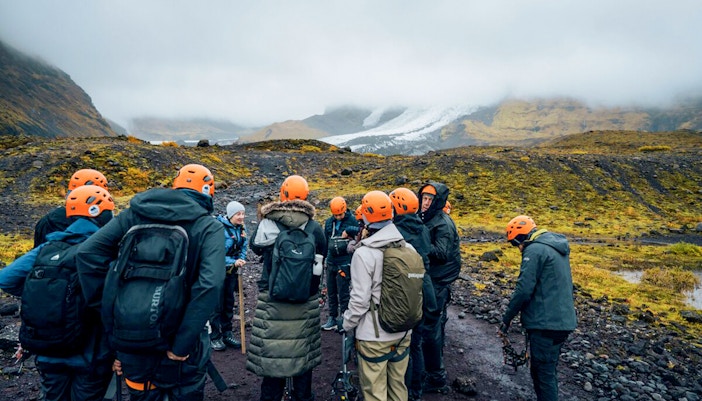
Trails of varying difficulty connect waterfalls, viewpoints, and glacier edges.
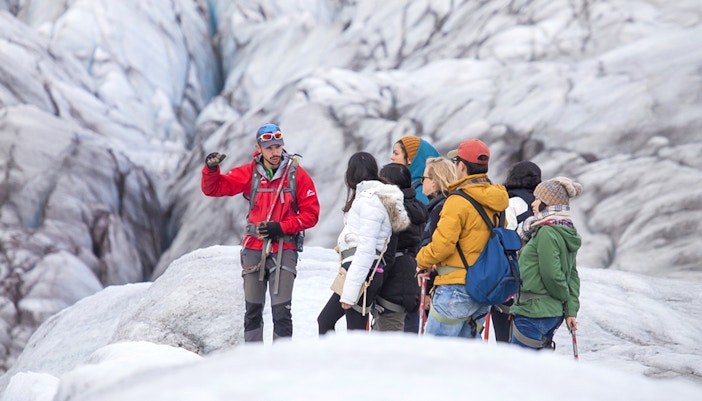
Certified guides lead you onto the ice safely using required equipment.
Good food options are limited near Skaftafell, so plan meals during longer drives along the South Coast or pack snacks for hikes.

Café and gas station stop with simple meals and snacks near Skaftafell.
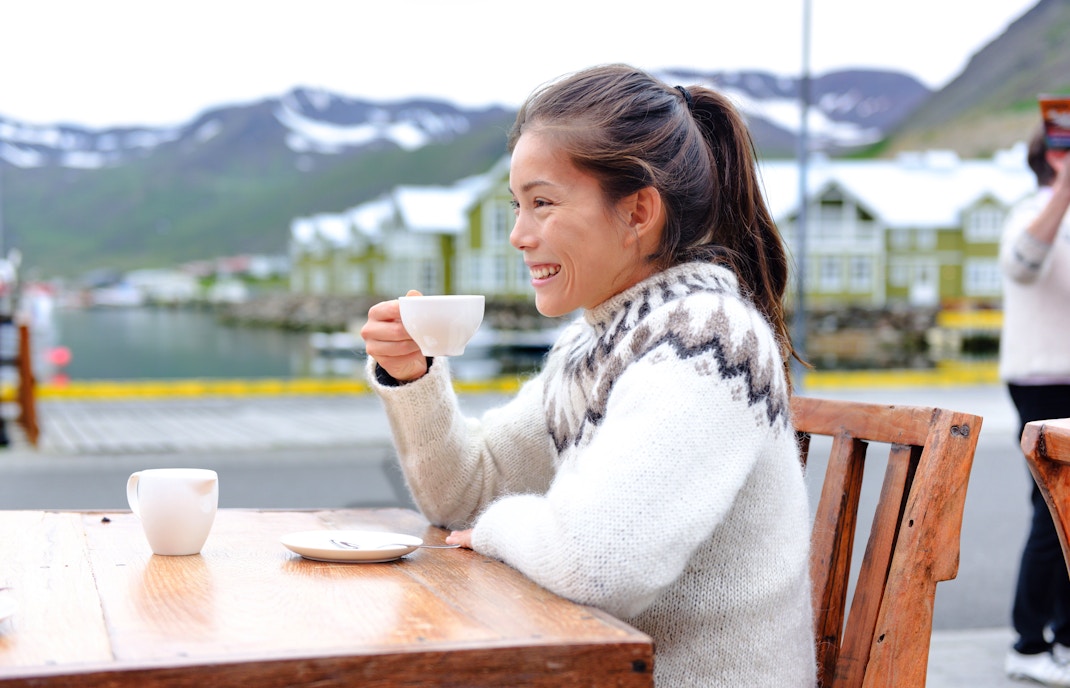
On-site cafeteria with quick bites and hot drinks.
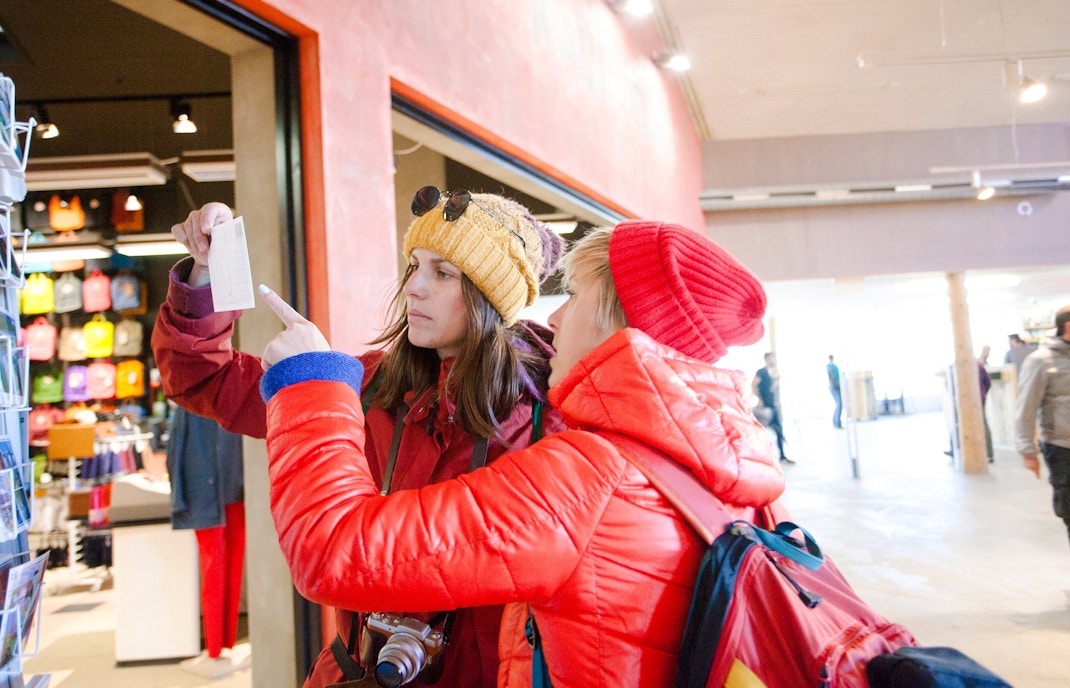
A practical stop for glacier and hiking guides, trail maps, and nature-focused souvenirs, along with a small selection of Icelandic crafts connected to Vatnajökull National Park.
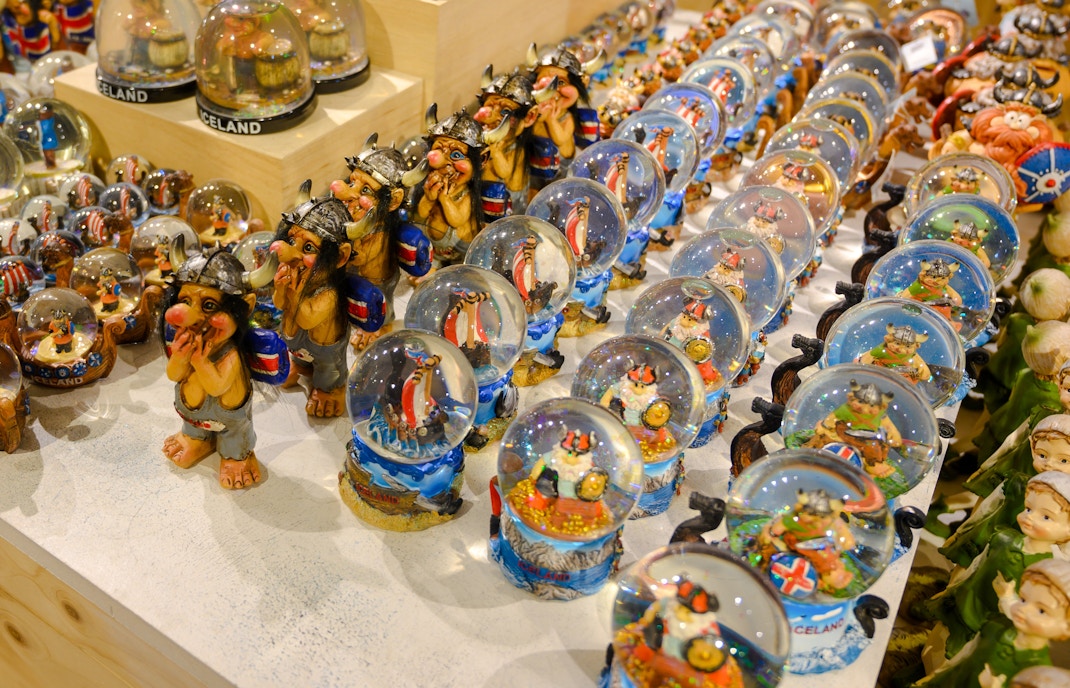
A handful of roadside shops near Jökulsárlón and Freysnes sell local handicrafts, wool items, and Icelandic souvenirs, making them easy add-ons during South Coast drives.
No. Walking on the glacier itself is only allowed with a certified guide, as crevasses, unstable ice, and sudden weather changes make unguided access dangerous.
Skaftafell can be visited year-round. Summer offers longer daylight and easier hiking conditions, while winter allows access to natural ice caves and snow-covered glacier landscapes.
No. Natural ice caves are typically accessible from November to April, when colder temperatures stabilize the ice. Availability depends on daily safety assessments.
The drive from Reykjavik to Skaftafell takes about 4 to 5 hours without long stops, making it a common overnight stop or part of a multi-day South Coast itinerary.
Yes. Many glacier hikes in Skaftafell are designed for first-time visitors and require no prior experience, as guides provide instruction, safety briefings, and necessary equipment.
Yes. Skaftafell is often combined with Jökulsárlón Glacier Lagoon, Diamond Beach, and nearby waterfalls, either on guided tours or as part of a self-drive route.
Wear waterproof outer layers, warm insulating clothing, gloves, and sturdy hiking boots. Glacier equipment such as crampons and helmets is supplied by tour operators.
Yes. Paid parking is available near the Skaftafell Visitor Centre, with easy access to trailheads, restrooms, and meeting points for guided glacier tours.
Plan at least 3–4 hours for short hikes and viewpoints, or a full day if you are doing a guided glacier hike and visiting waterfalls like Svartifoss.
Yes, but age limits apply for glacier activities. Hiking trails near the Visitor Centre are family-friendly, while glacier tours usually require children to meet minimum age requirements.
Yes. Trails are clearly marked and graded by difficulty, with maps available at the Visitor Centre. Conditions can change, so checking with rangers before hiking is advised.
Food options are limited. There is a small cafeteria at the Visitor Centre, but many visitors bring snacks or plan meals before or after their visit.
It is possible on long guided tours, but many visitors prefer staying overnight nearby to allow more time for hiking and glacier activities.