‌‌‌‌
‌
‌
‌
‌
‌
‌
‌
‌
‌
‌
‌
‌
‌
‌
‌
‌
‌
‌
‌
‌
‌
‌
‌
‌
‌
‌
‌
‌
‌
‌
‌
‌
‌
‌
‌
‌
‌
‌
‌
‌
‌
‌
‌
‌
‌
‌
‌
‌
‌
‌
‌
‌
‌
‌
‌
‌
‌
‌
‌
‌
‌
‌
‌
‌
‌
‌
‌
‌
‌
‌
‌

Reykjavik offers a wide range of Icelandic experiences, including Northern Lights chases, glacier excursions, Golden Circle day trips, whale watching, and geothermal lagoon visits. Tours range from short city experiences to full-day adventures, taking you from the capital to Iceland’s volcanic landscapes, ice caves, waterfalls, and dramatic coastlines.

A city tour of Reykjavik offers...

  • Organized itinerary
  • Effortless planning
  • Transport included
  • Guided experiences
  • Explore with ease
  • Season-ready setups
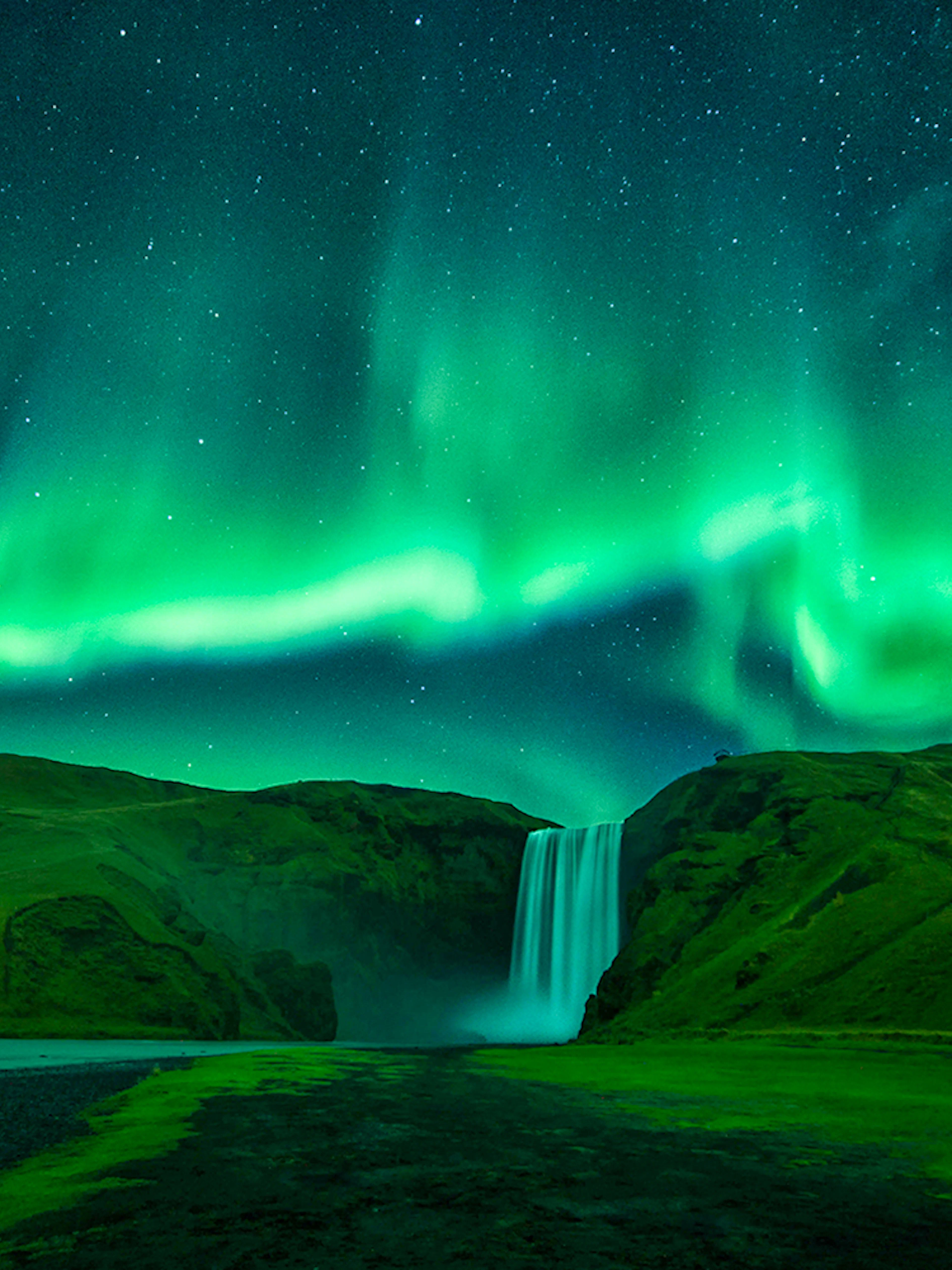
Northern Lights over waterfall near Reykjavik on Aurora Borealis bus tour.
‌
‌
‌
‌
‌
‌
‌
‌
‌
‌
‌

Find your best Reykjavik tour

Tour typeBest forPaceAccessibilityHighlightsWhy choose this

Northern Lights tours

Night explorers, photographers, first-time aurora seekers

Relaxed

Moderate; may involve walking on uneven ground in the dark

Aurora hunting, dark-sky locations, photography opportunities

Ideal for a guided evening outing to search for the Northern Lights

Glacier tours

Adventure travelers, nature and photography lovers

Moderate to active

Limited; glacier terrain can be uneven and slippery

Glacier walks, ice formations, views of Iceland’s icy landscapes

Best for exploring Iceland’s glaciers with expert guides and safety equipment

Golden Circle tours

First-time visitors, families, sightseeing enthusiasts

Moderate

Varies by stop; some paths are uneven

Thingvellir National Park, Geysir geothermal area, Gullfoss waterfall

Perfect for visiting Iceland’s famous natural attractions in one organized day trip

Whale-watching tours

Wildlife enthusiasts, photographers, families

Relaxed to moderate

Varies by vessel; boarding and sea conditions may pose challenges

Whale sightings, coastal scenery, marine wildlife

A great way to experience Iceland’s marine life without planning a separate coastal trip

Geothermal lagoon experiences

Couples, families, wellness seekers

Relaxed

Varies by facility; check access provisions and pool entry arrangements

Warm geothermal waters, volcanic scenery, relaxation

Best for unwinding in Iceland’s geothermal waters after a day of sightseeing

Your Reykjavik tour highlights in pictures

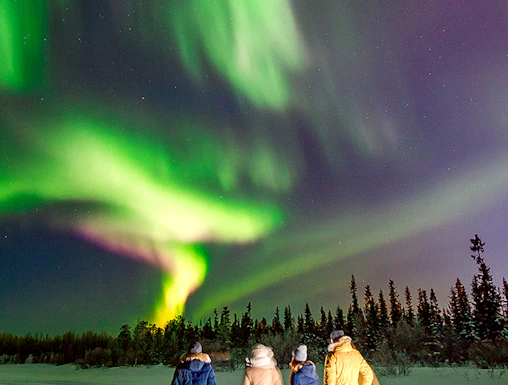
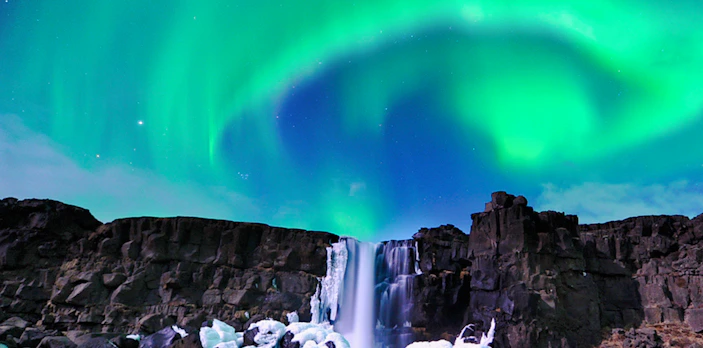
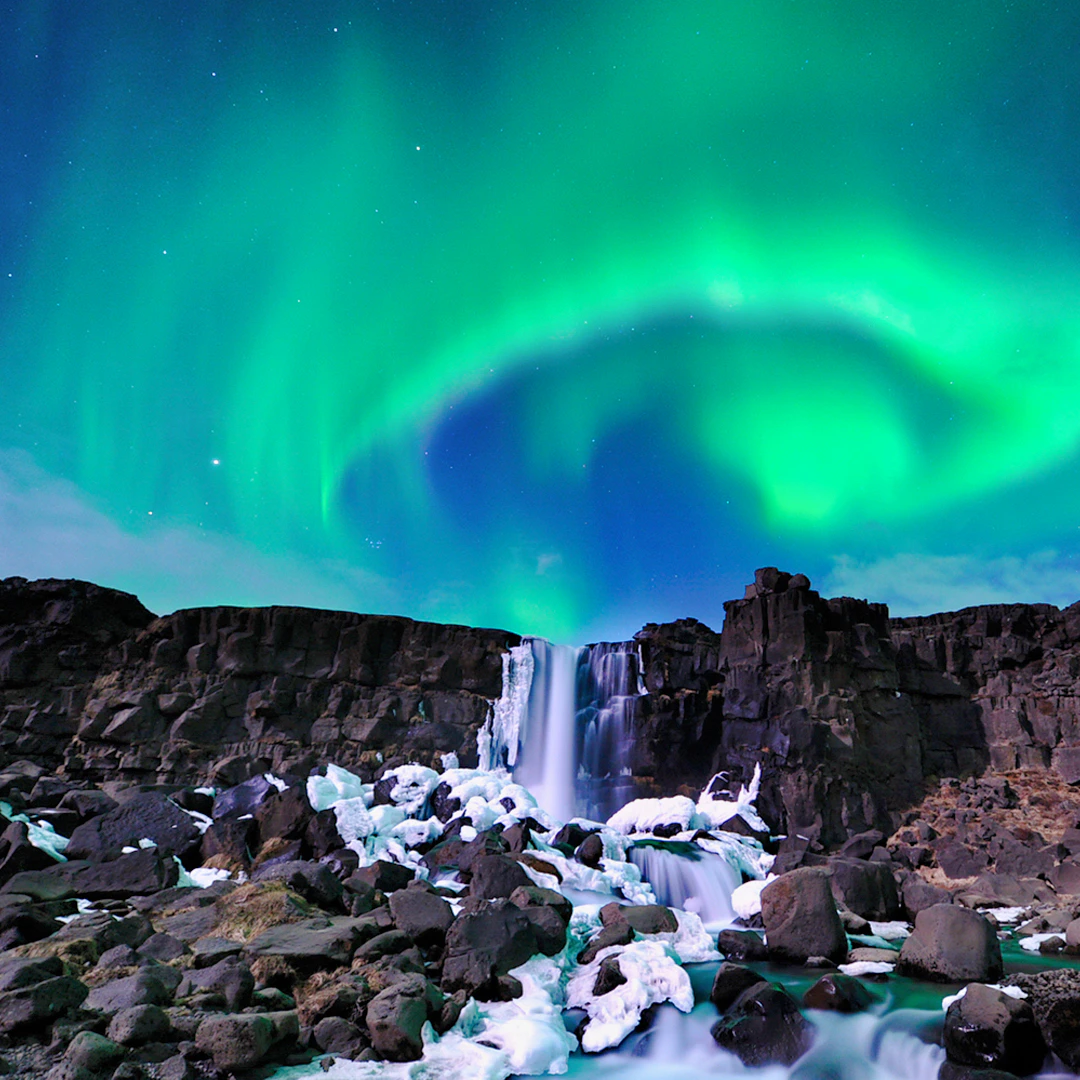
Northern Lights over waterfall near Reykjavik on Aurora Borealis bus tour.
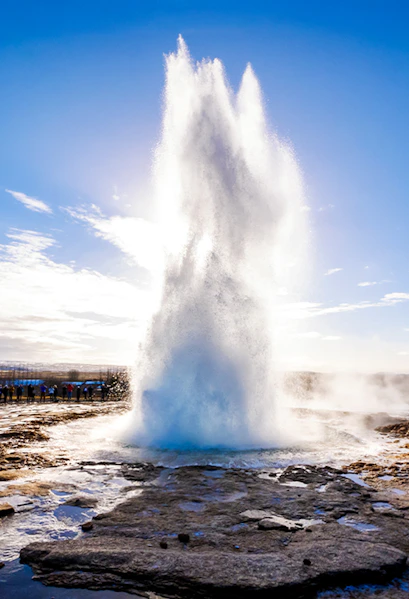
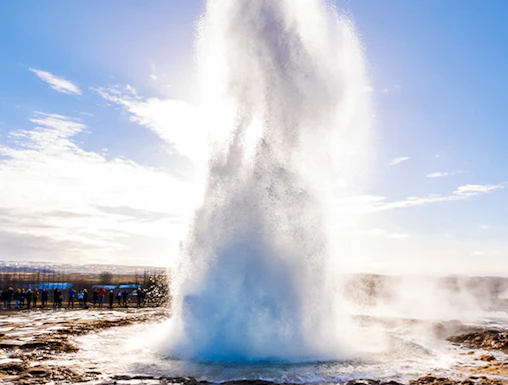
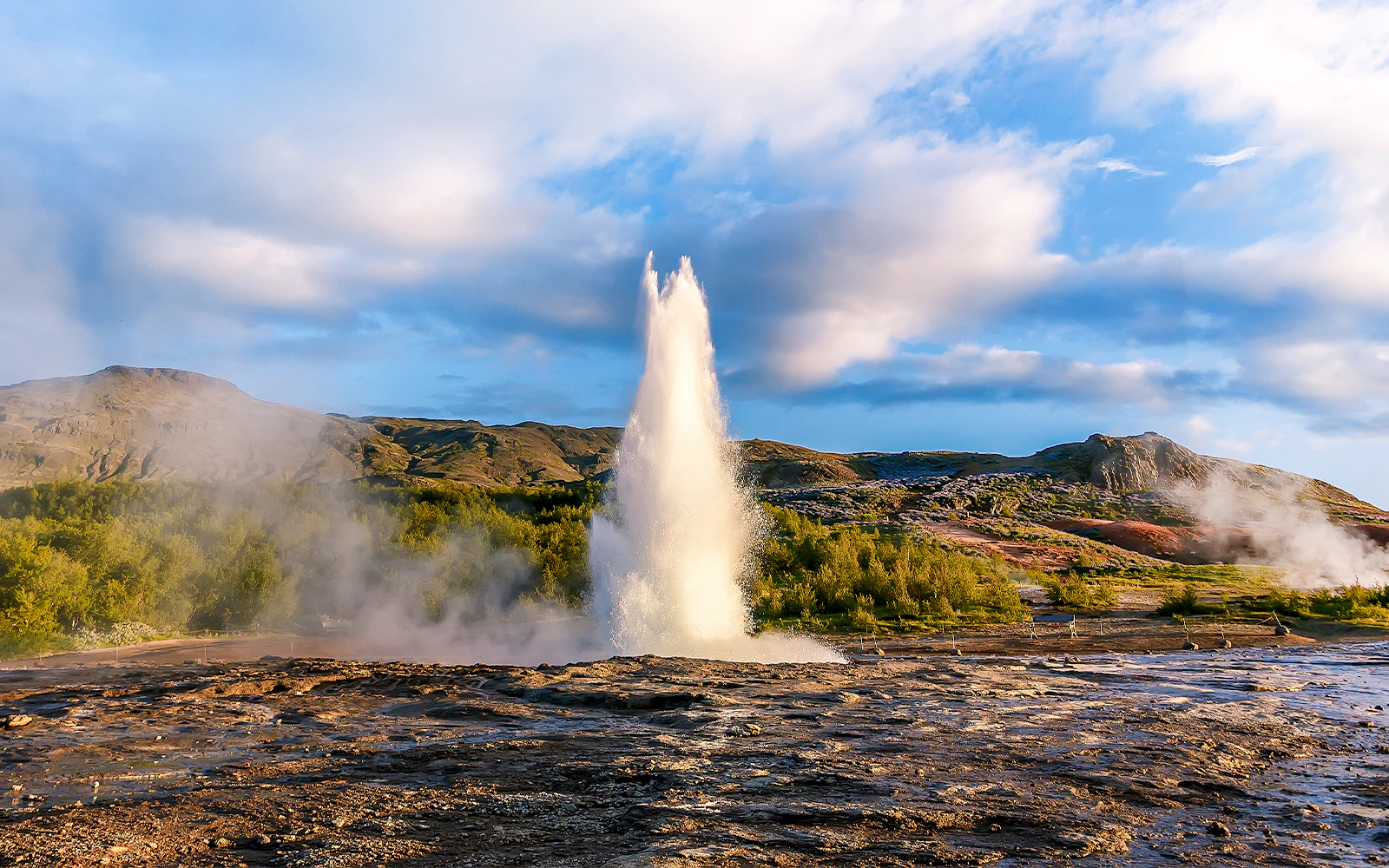
Geyser erupting in Icelandic hot springs landscape.
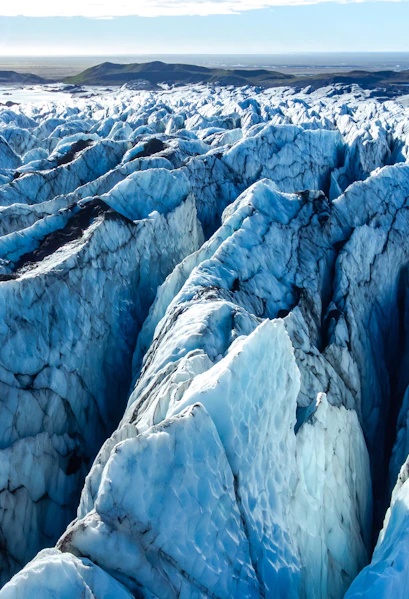
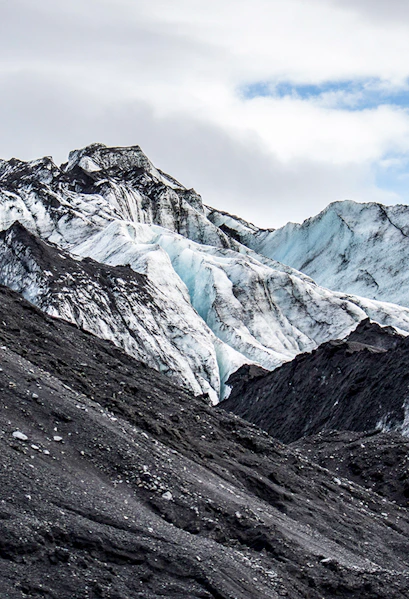
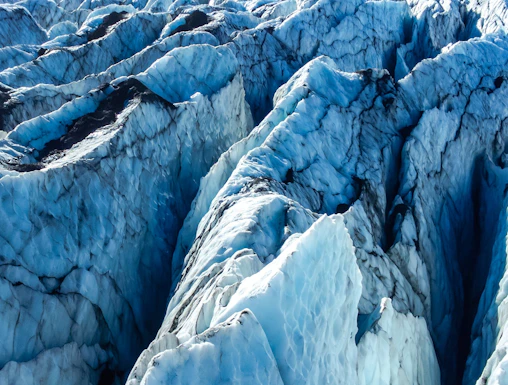
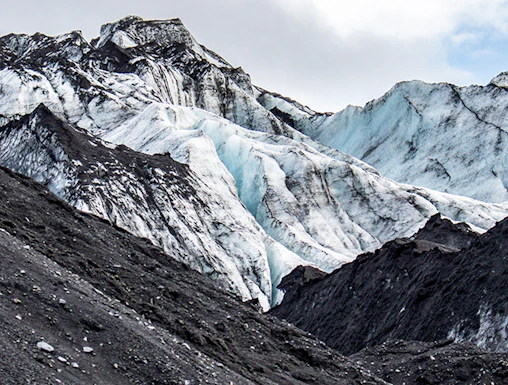
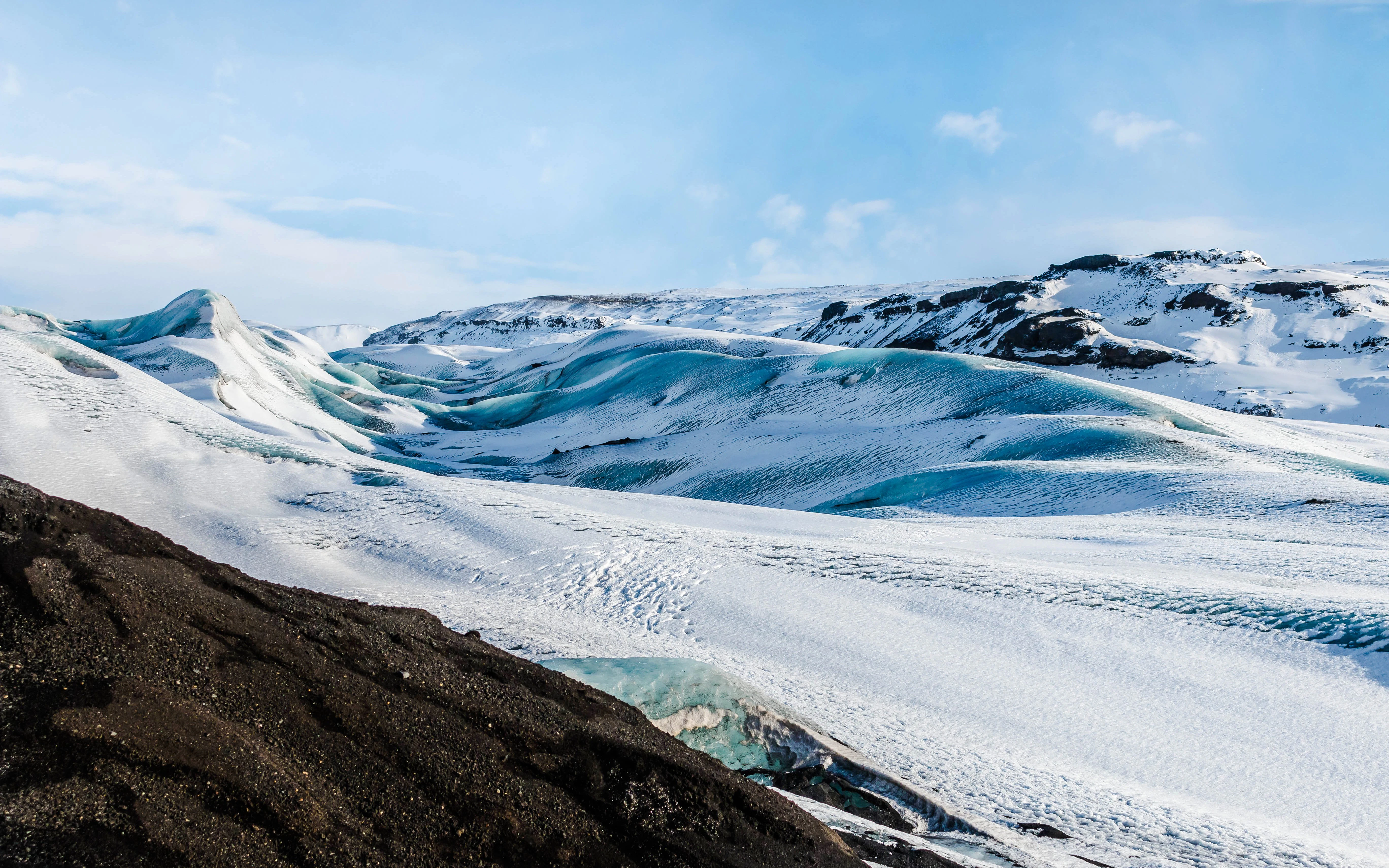
Myrdalsjokull glacier in Iceland with snow-covered peaks and blue ice formations.
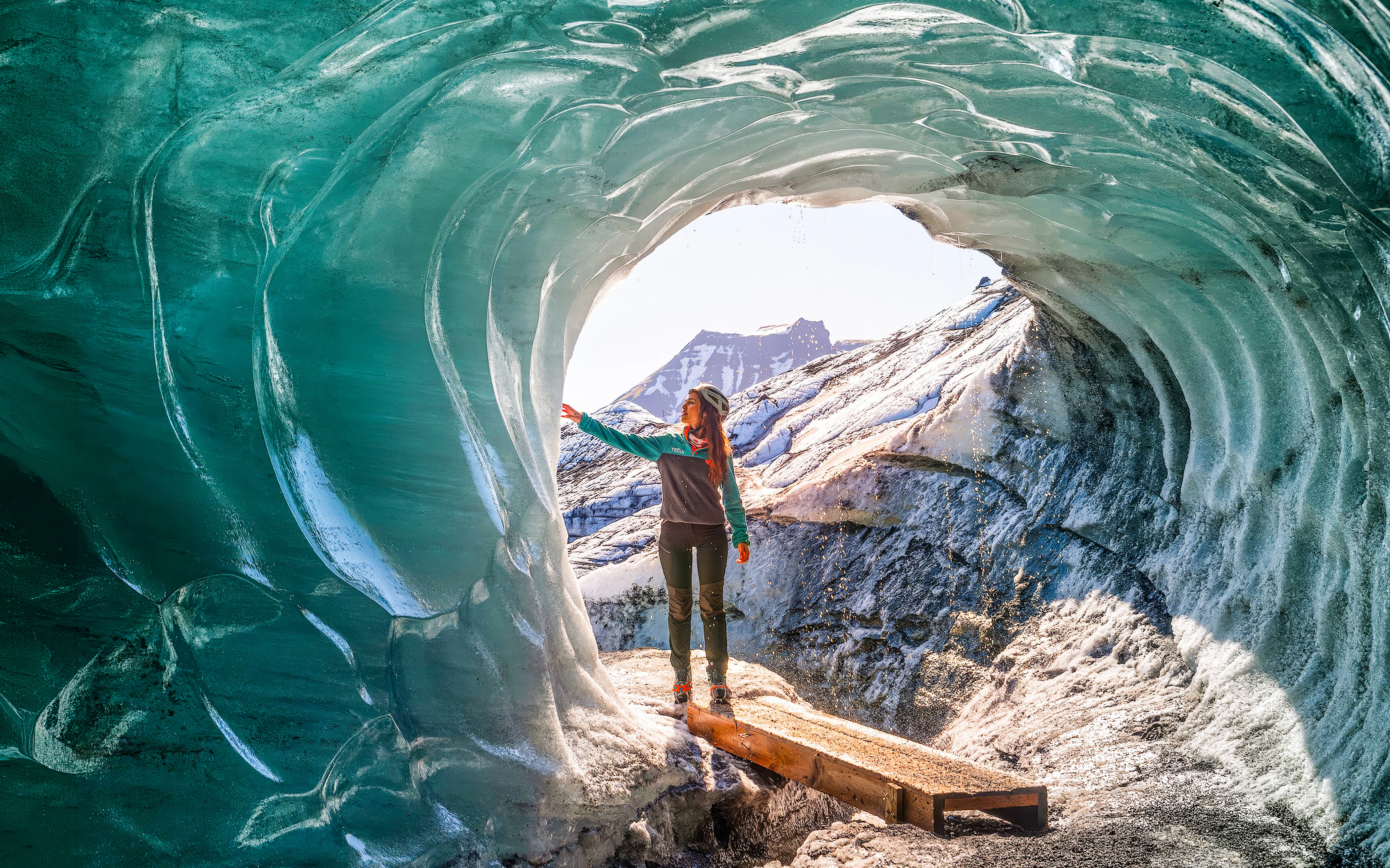
Person exploring inside Katla Ice Cave, Iceland, touching icy walls.
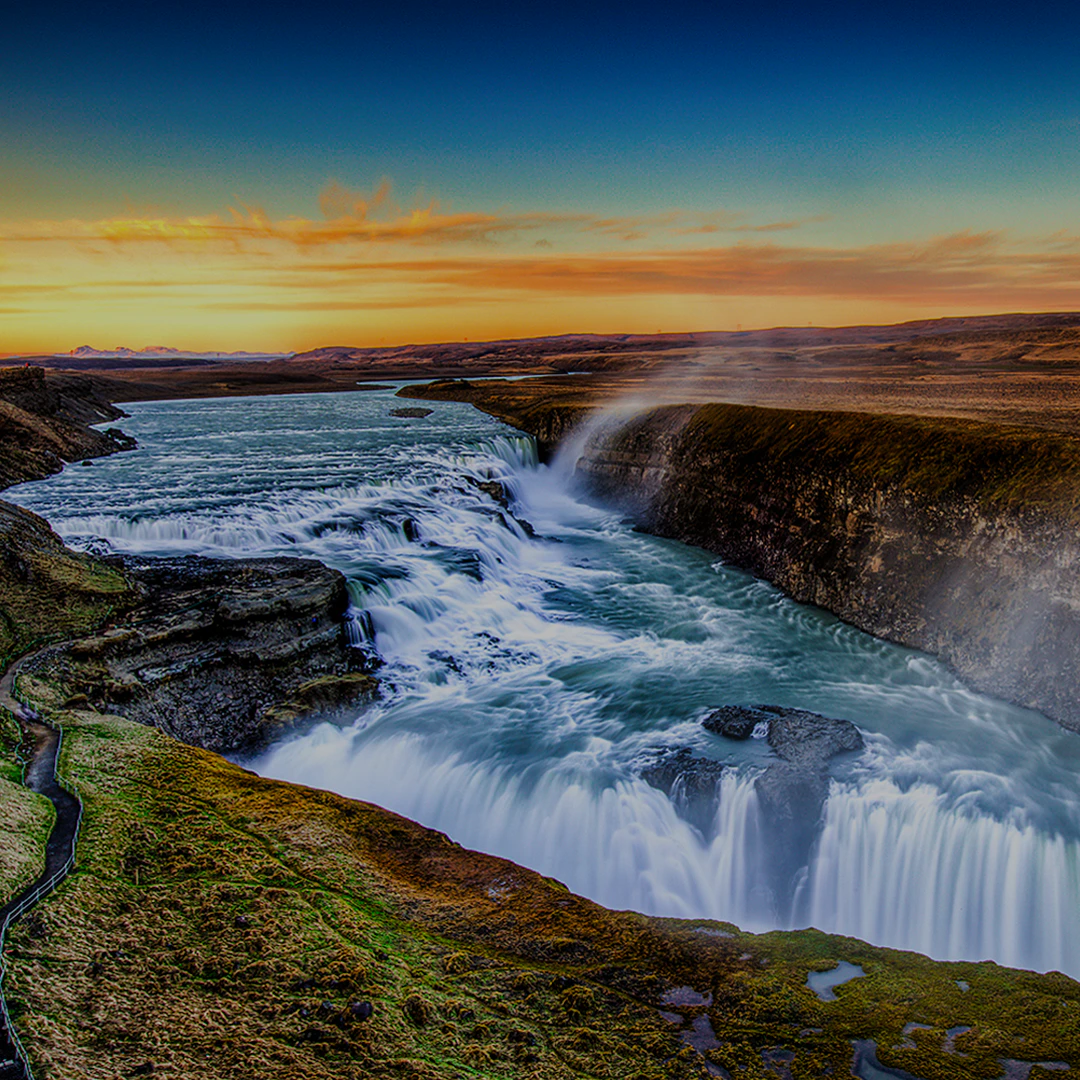
Gullfoss waterfall on the Golden Circle bus tour in Iceland at sunset.

Things to keep in mind when you go on a tour

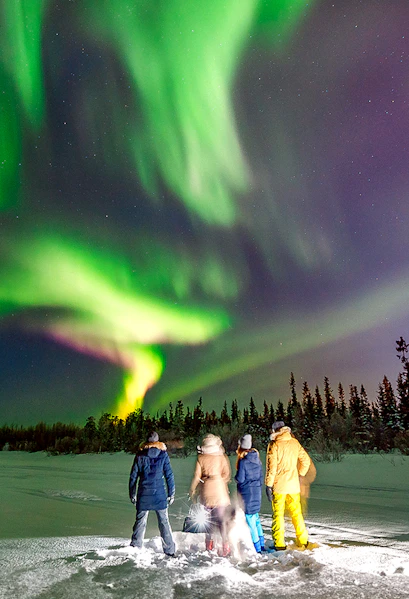
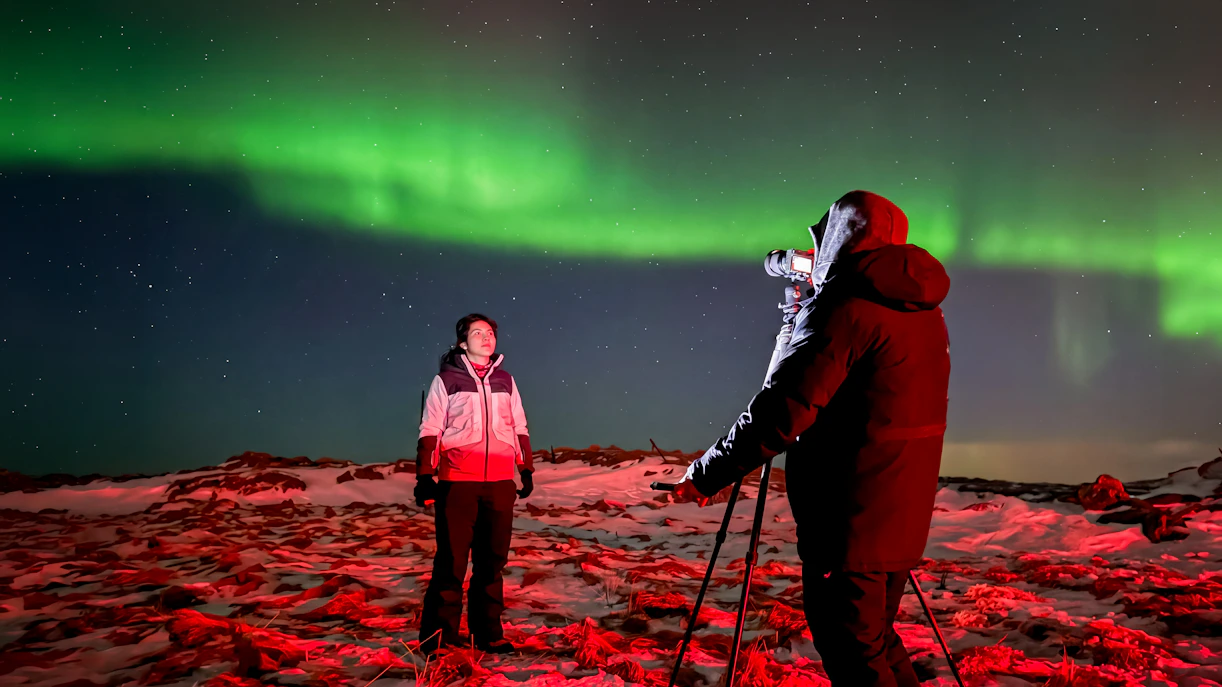
Guest posing under Northern Lights on Reykjavik 4x4 tour.
  • Reykjavik’s winter temperatures typically range from around -3°C to 3°C, though colder spells and strong winds can make it feel significantly chillier. Pack a windproof, waterproof outer layer and warm accessories.
  • Iceland’s weather can change quickly, particularly along the coast and in exposed areas. Clear skies for Northern Lights viewing can give way to cloud cover, so check local forecasts and stay flexible with outdoor plans.
  • Wind can make outdoor excursions feel much colder than the air temperature suggests, especially on whale-watching trips, glacier walks, and coastal sightseeing tours. Dress in warm layers and check whether your tour operator provides insulated outerwear.
  • Rain, snow, and icy conditions vary by season and location. Winter roads and walking paths can become slippery, while summer can still bring wind and showers. Waterproof footwear and layered clothing help you stay comfortable throughout your trip.
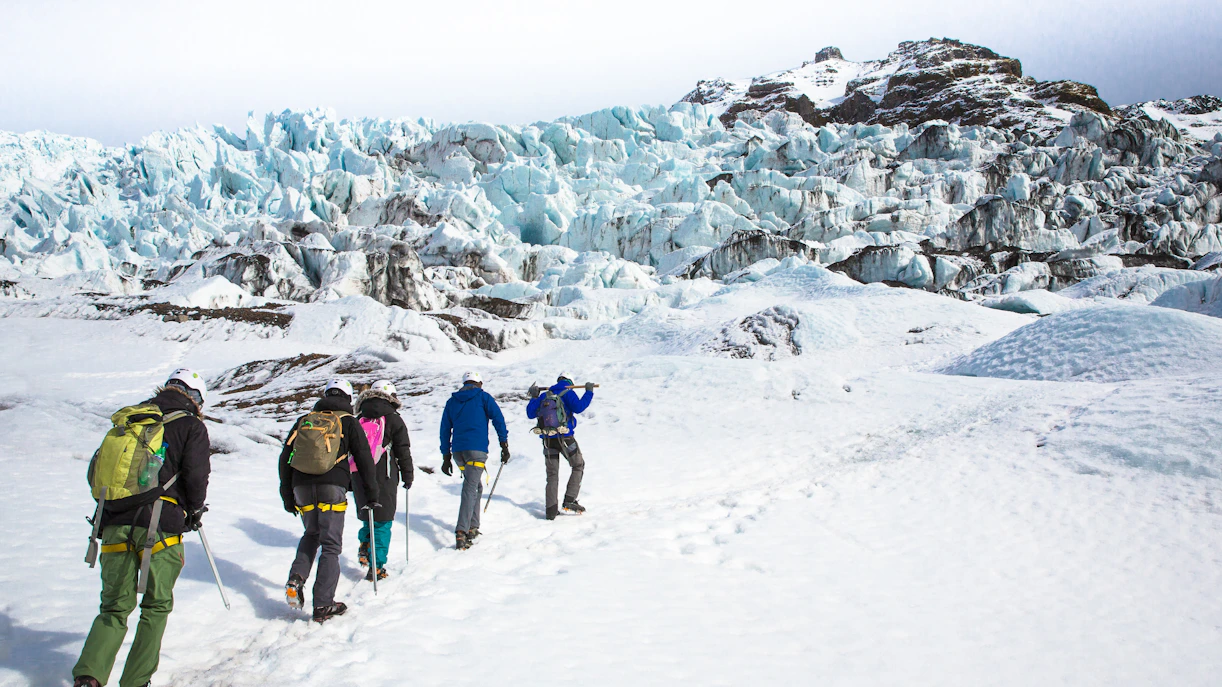
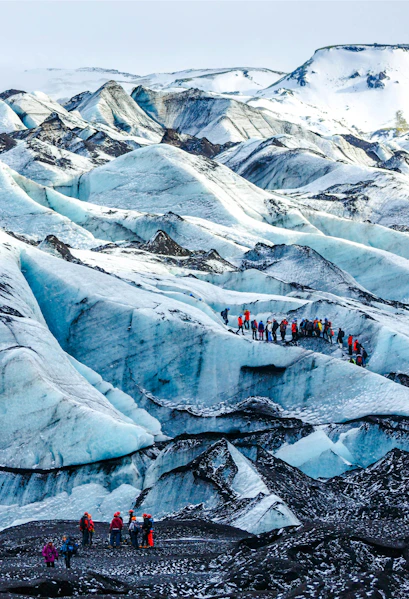
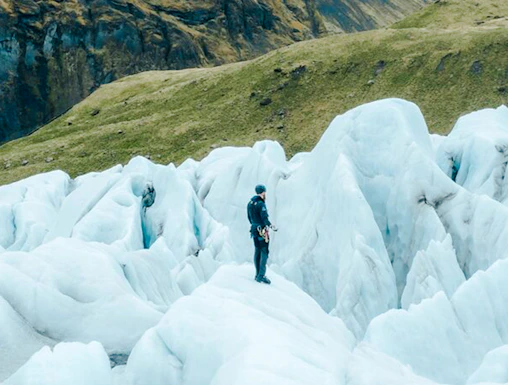
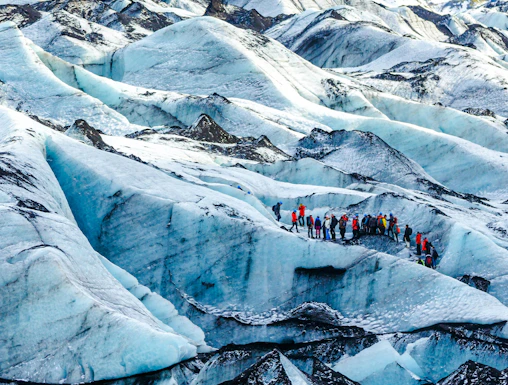
Group hiking on Iceland glacier with ice formations in the background.
  • Dress in layers. Start with a moisture-wicking base layer, add a fleece or wool mid-layer, and finish with a waterproof, windproof outer shell. This helps you stay comfortable as Reykjavik’s weather shifts throughout the day.
  • Wear waterproof shoes or boots with good grip. Rain, snow, and icy pavements can make walking around the city and exploring natural attractions slippery.
  • Bring gloves, a warm hat, and a scarf, especially for outdoor activities such as Northern Lights chases, glacier excursions, and whale watching.
  • Carry a power bank and keep your phone in an inner pocket. Cold weather can drain batteries faster, particularly when you're using your camera or navigation apps outdoors.
  • Pack a small day bag with water, snacks, tissues, lip balm, and an extra layer. These essentials are useful on longer excursions beyond Reykjavik, where shops and facilities may be limited.
  • For Northern Lights tours, bring a tripod or phone stabilizer to help capture sharper photos in low light. A camera with manual settings can also help, but clear skies and aurora activity ultimately determine what you’ll see.
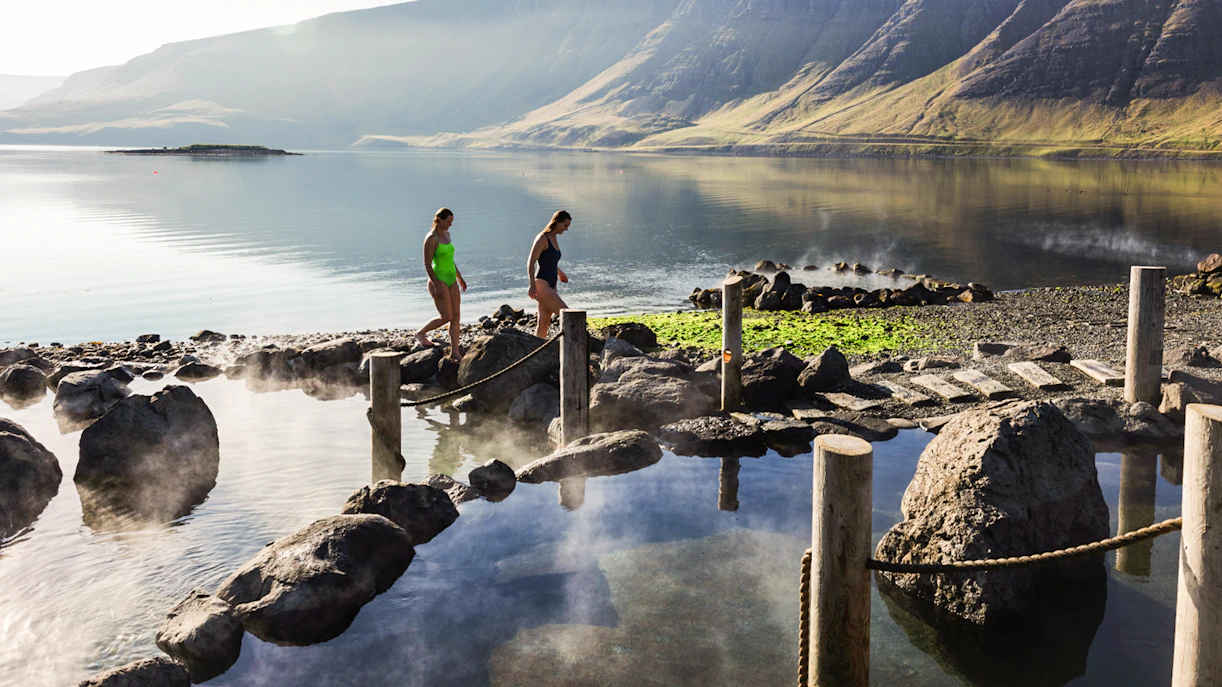
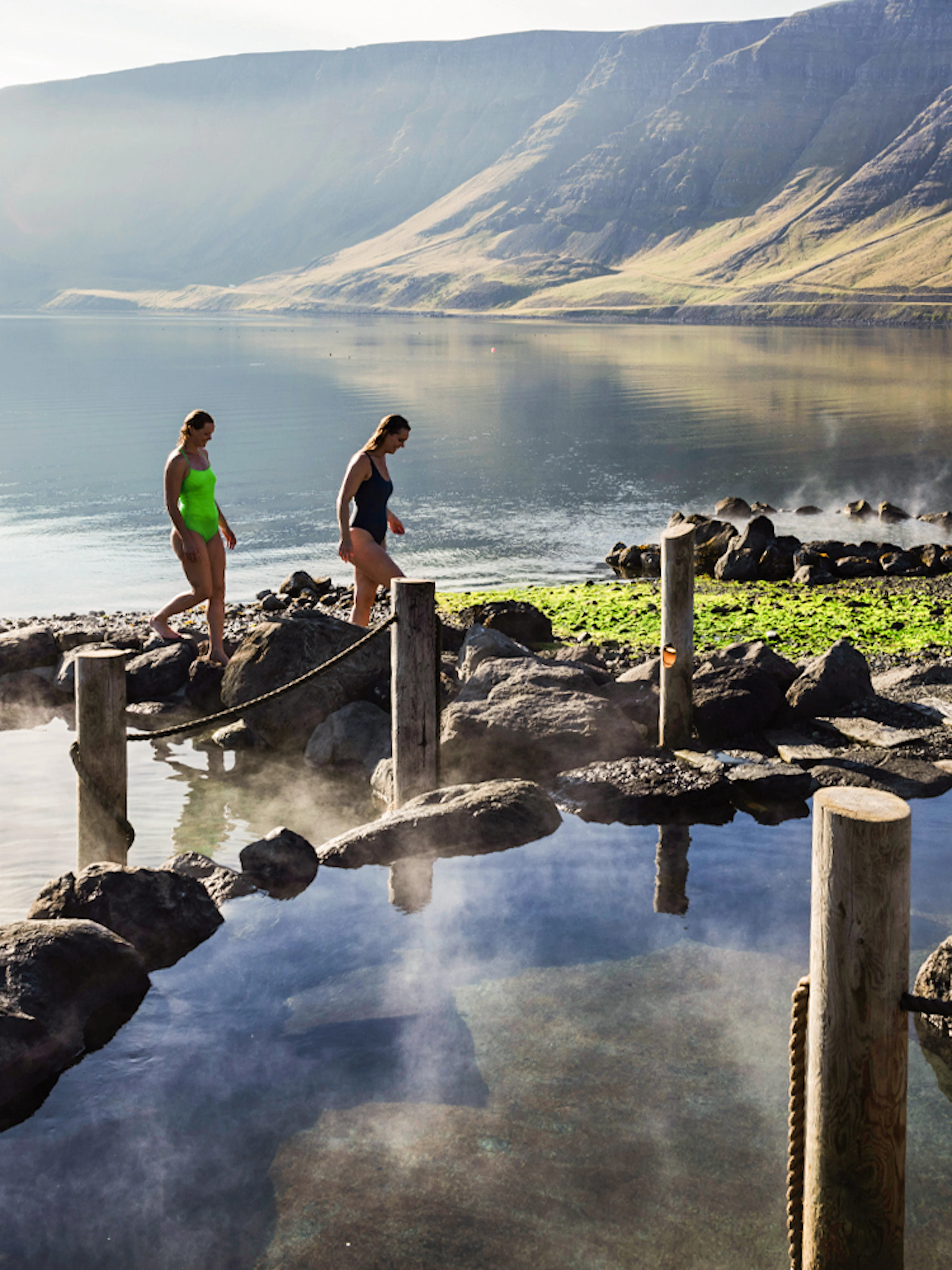
Visitors enjoying Hvammsvík Hot Spring with scenic mountain views near Reykjavík.
  • If you’re joining a glacier walk or ice cave tour, follow your guide’s instructions and use the safety equipment provided. Ice conditions can change quickly, and some surfaces may be unstable or slippery.
  • For Northern Lights tours, stay with your guide and group, especially when stopping in dark, remote locations. Watch for passing vehicles and avoid stepping onto roads while looking at the sky.
  • Iceland’s weather can change rapidly, so follow operator guidance on clothing, route changes, and cancellations. Never enter a glacier, ice cave, or restricted area without an authorized guide.
  • Keep a safe distance from waves along Iceland’s beaches, particularly at Reynisfjara near Vík. Sneaker waves can reach far up the shore without warning, even when the sea appears calm.
  • Respect wildlife during whale-watching trips. Follow crew instructions, avoid disturbing animals, and never attempt to touch or feed marine wildlife.
  • Arrive at your pickup point on time, especially for day trips departing from Reykjavik. Tours often operate on fixed schedules, and late arrivals may mean missing the excursion.
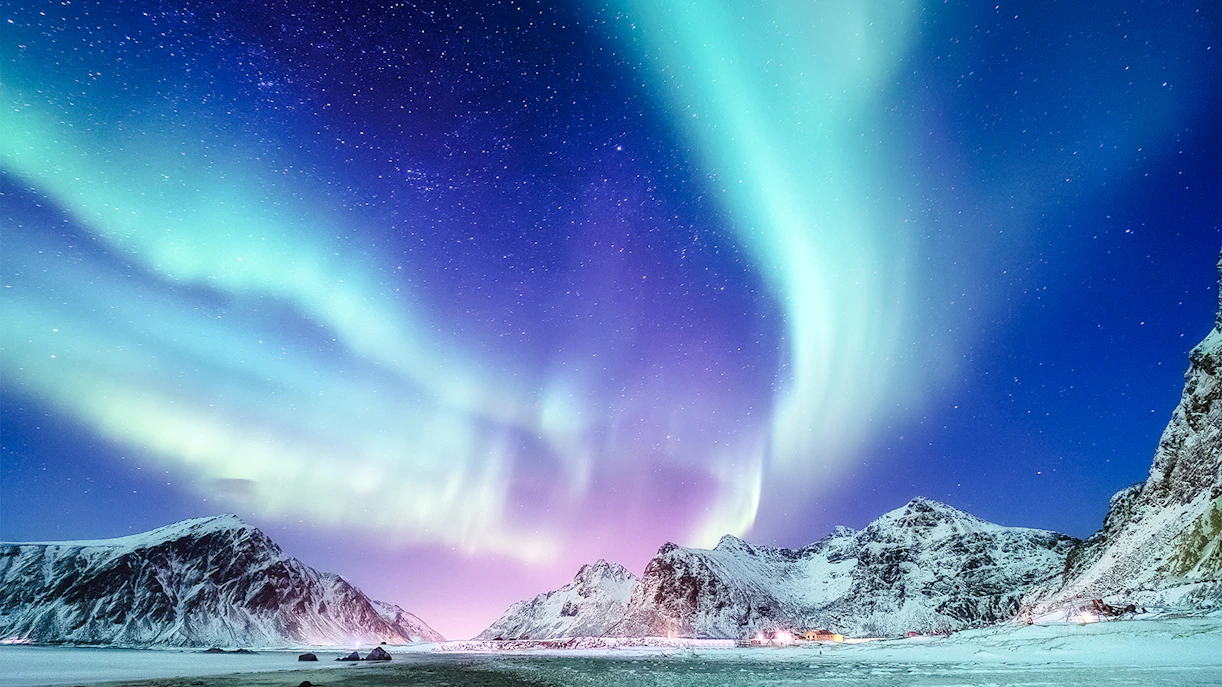
Northern Lights over snowy mountains near Reykjavik.
  • Book popular experiences like Northern Lights tours and Golden Circle day trips early, especially during summer and the Christmas period. If aurora viewing is a priority, schedule a tour early in your stay so you have other nights available if weather conditions are poor.
  • Start day trips early when possible. Golden Circle and South Coast excursions can involve several hours on the road, and shorter winter daylight hours may limit the time at each stop.
  • Group nearby attractions to save time. Pair Reykjavik sightseeing with a geothermal lagoon visit, or dedicate a separate day to the Golden Circle, including Thingvellir National Park, the Geysir geothermal area, and Gullfoss waterfall.
  • Keep expectations realistic for Northern Lights viewing. Sightings depend on solar activity, cloud cover, and darkness, so they’re never guaranteed. Check forecasts and be prepared for a late night outdoors.
  • Check what your tour includes before booking. Glacier excursions may provide helmets, crampons, and other safety equipment, while lagoon visits may require separate bookings for towels, transfers, or additional facilities.

Frequently asked questions about Reykjavik tours

June to August is ideal for long daylight hours, whale watching, and exploring Iceland’s landscapes. September to April is the main season for Northern Lights viewing, while winter offers opportunities for glacier excursions and ice cave tours.