English
English

Headout is an authorized and trusted partner of the venue, offering curated experiences to enjoy this attraction. This is not the venue's website.

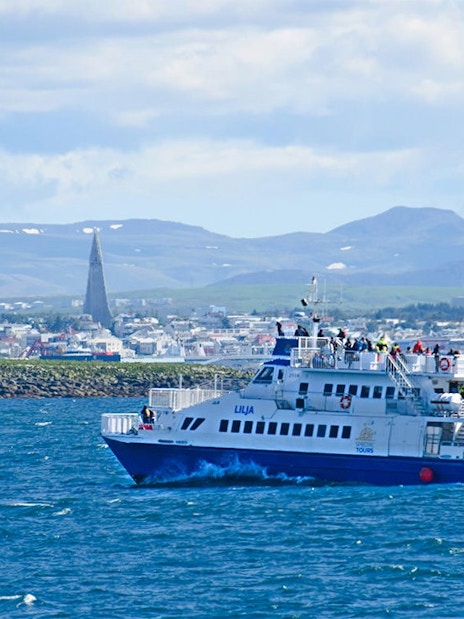




Your ending point would be same as your start point
Fast, stable catamaran ride offering quick access to whale areas with expert marine guides onboard.
Fast, stable catamaran ride offering quick access to whale areas with expert marine guides onboard.
Inclusions
Exclusions


Your ending point would be same as your start point
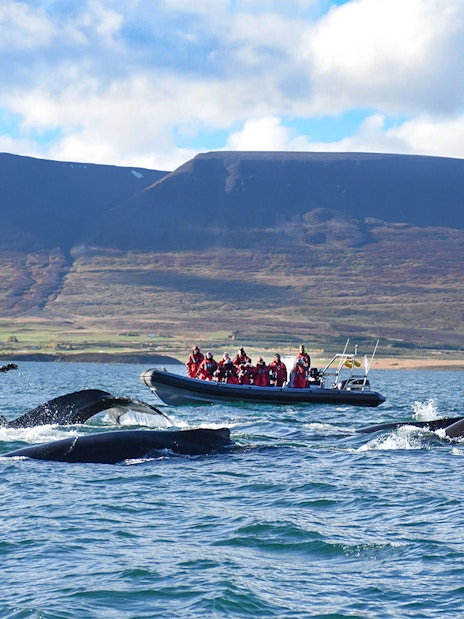
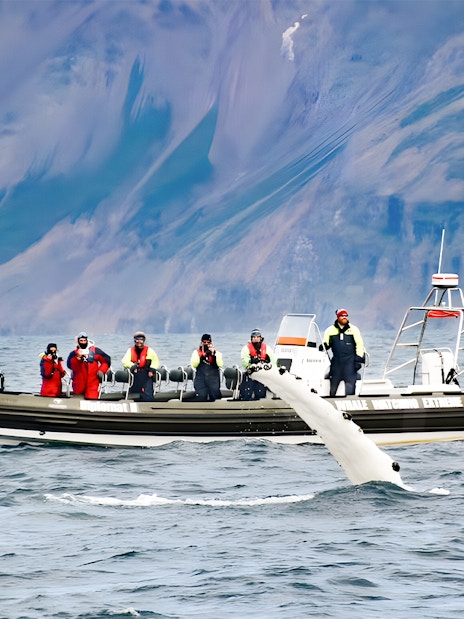
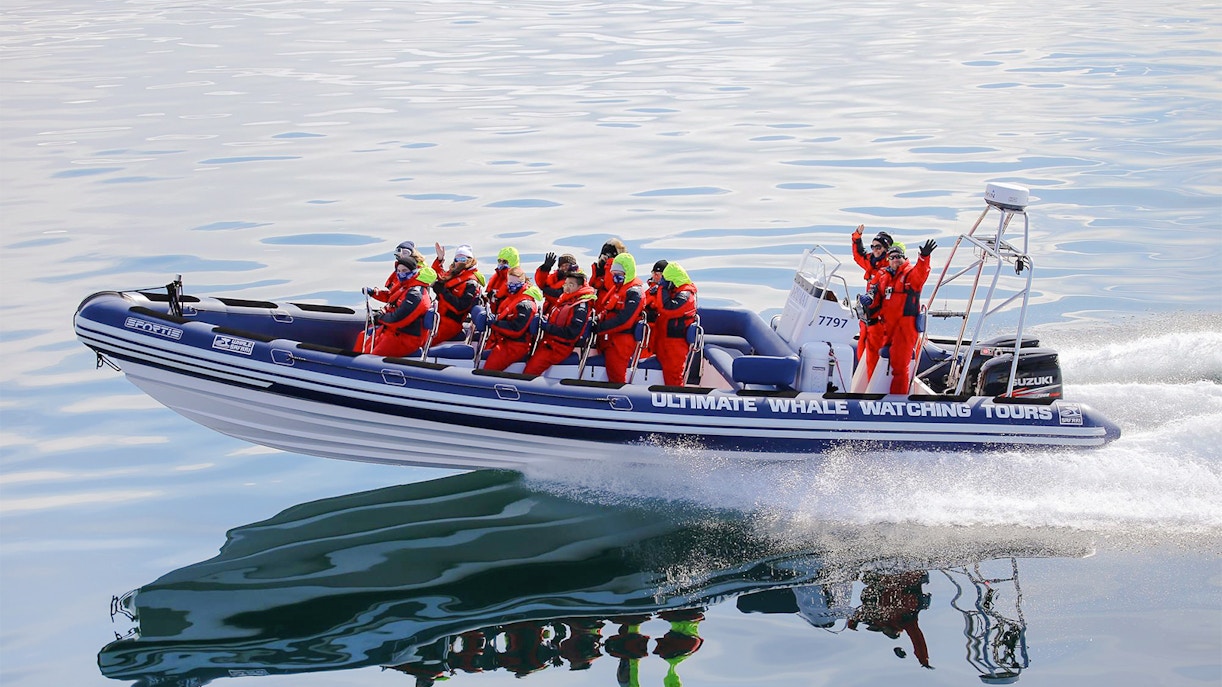
See whales and seabirds up close on a small group RIB speedboat adventure.
See whales and seabirds up close on a small group RIB speedboat adventure.
Inclusions
Exclusions
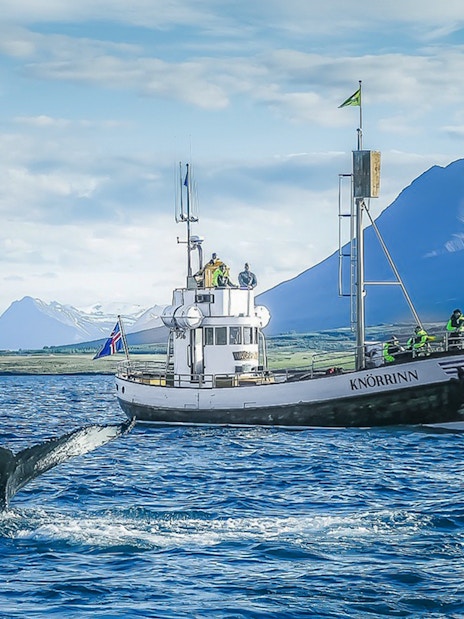
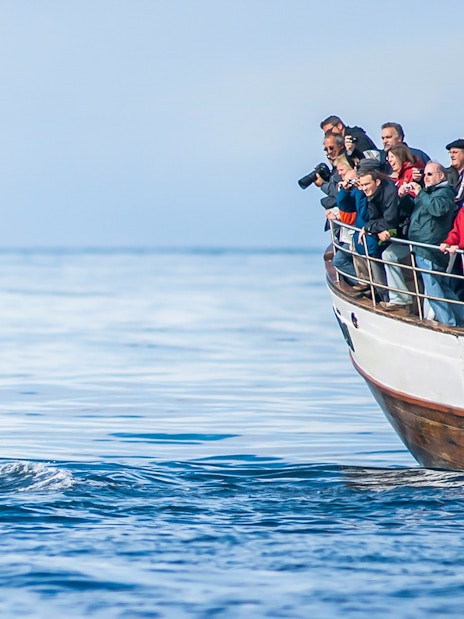
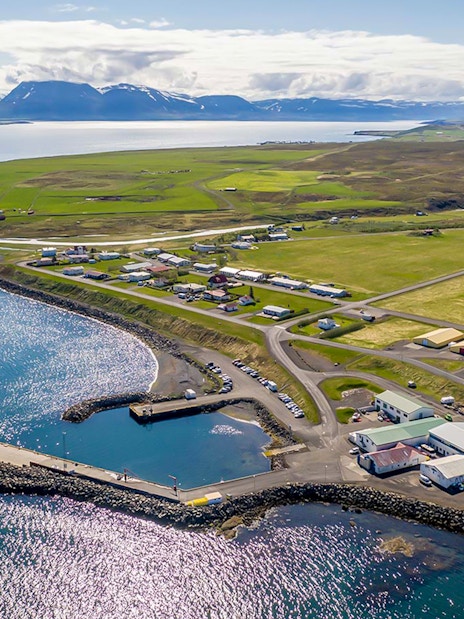
Choose the Árskógssandur whale watching tour for a scenic countryside start after a little bit of sightseeing. The tour also includes complimentary hot chocolate and a cinnamon bun.
Passes By

Your ending point would be same as your start point
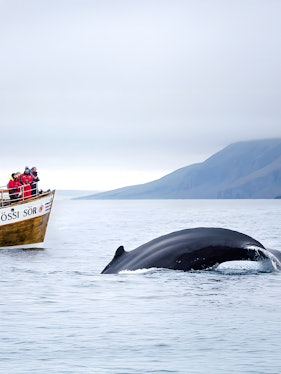
Sail Eyjafjörður’s calm waters for up-close encounters with playful humpback whales and seabirds.
Sail Eyjafjörður’s calm waters for up-close encounters with playful humpback whales and seabirds.
Inclusions
What to bring
What’s not allowed
Accessibility
Additional information


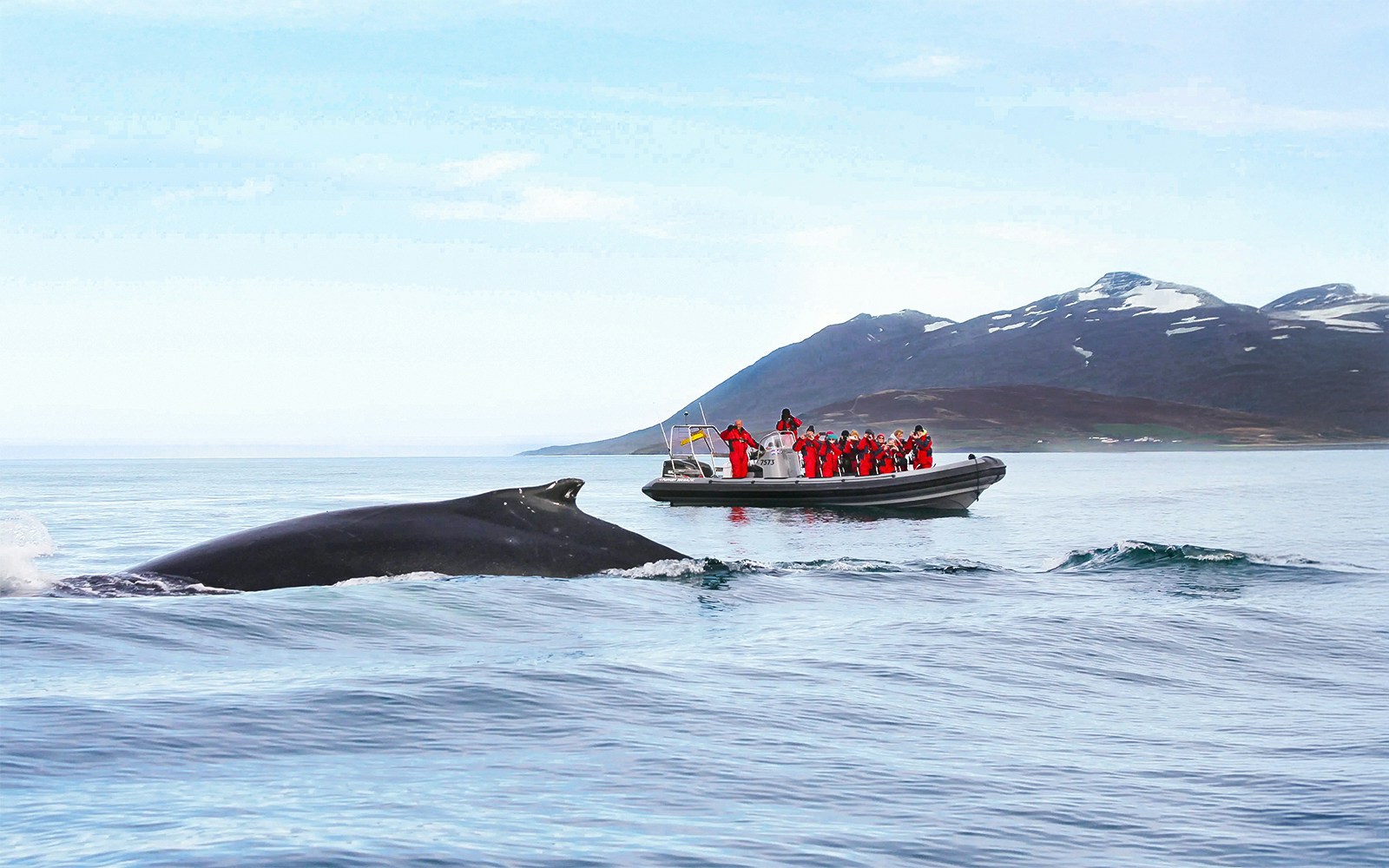

Akureyri benefits from a uniquely dependable humpback presence. Eyjafjörður’s calm waters and predictable feeding zones create some of Iceland’s highest success rates, and guides track real-time behaviour so boats move directly toward active areas without wasting time.


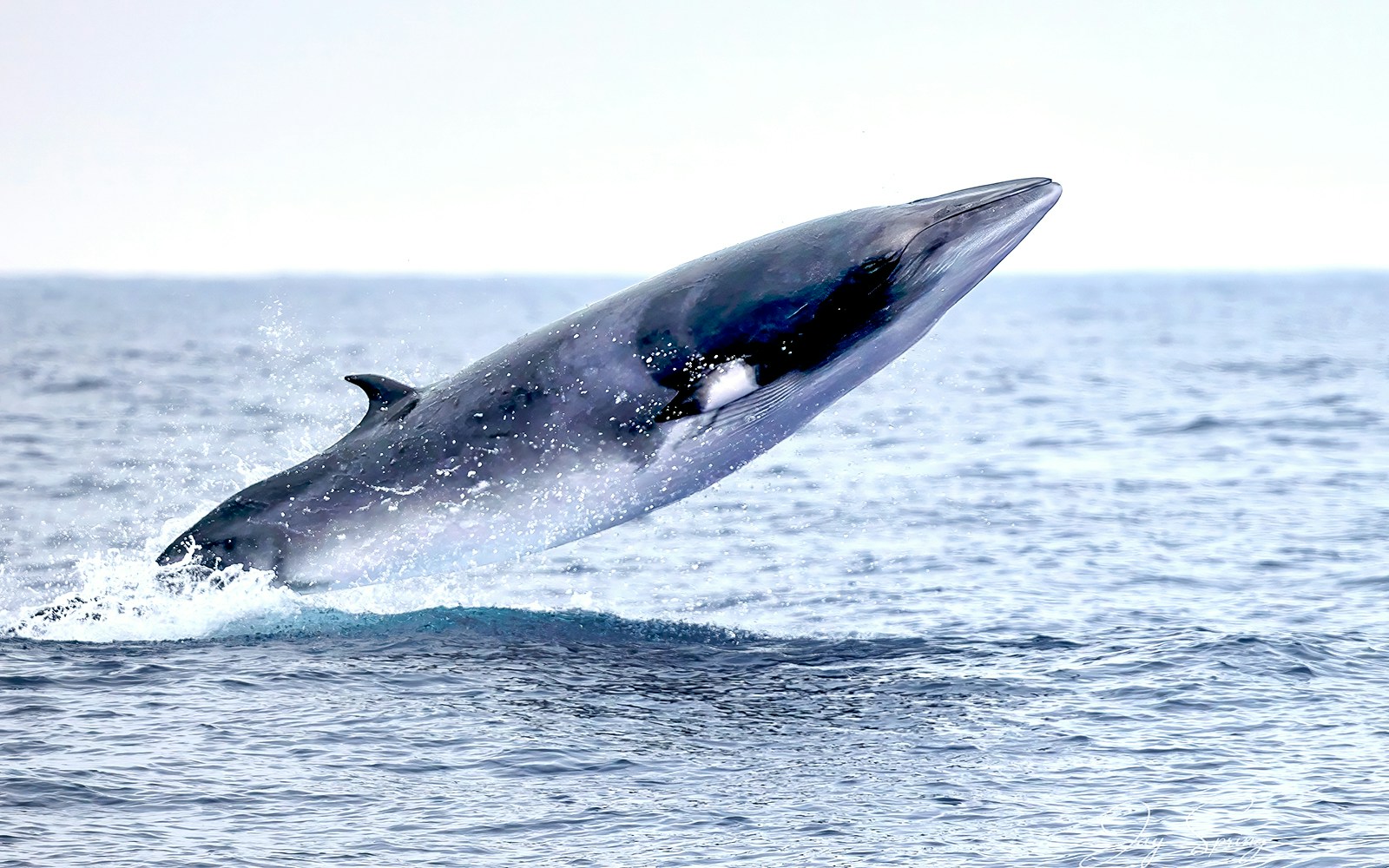


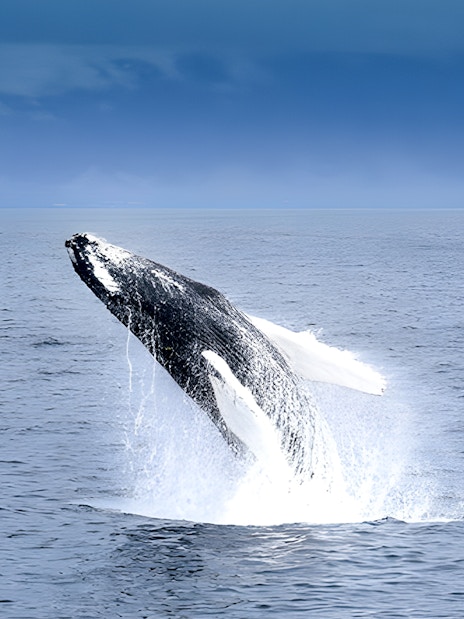
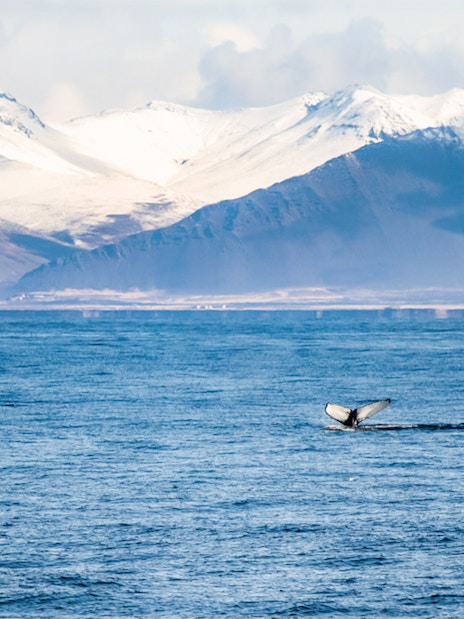
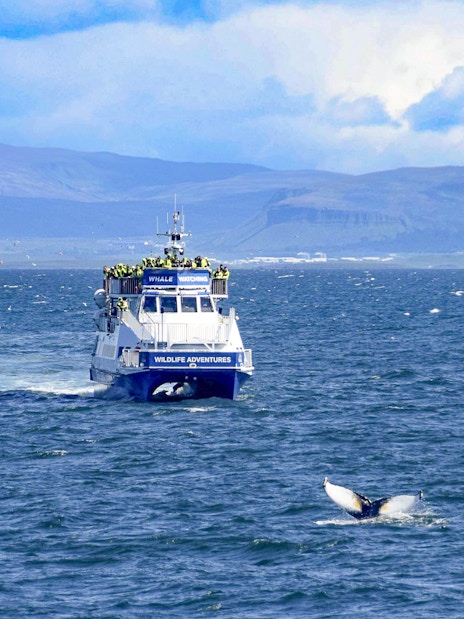
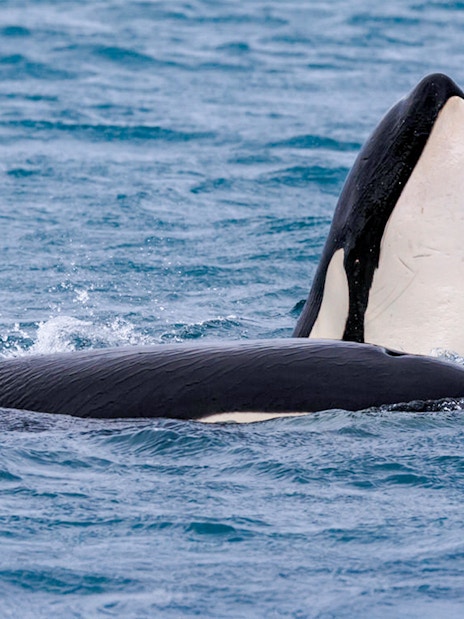
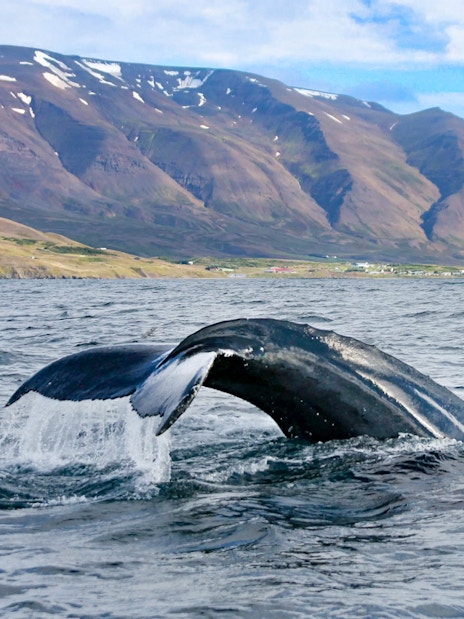
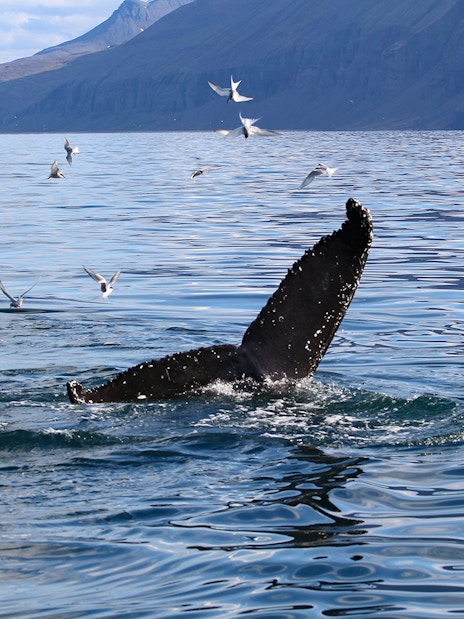
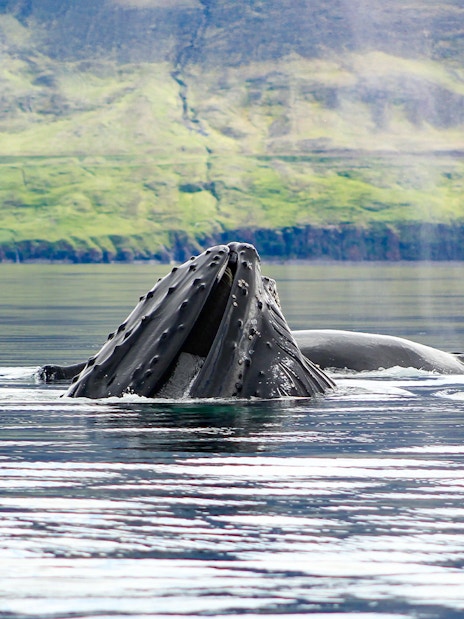
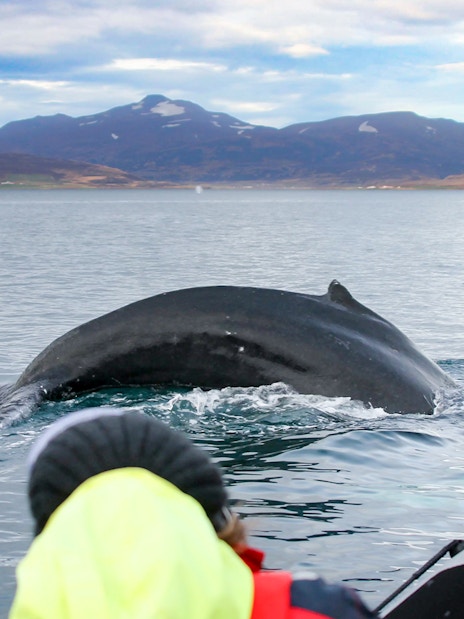
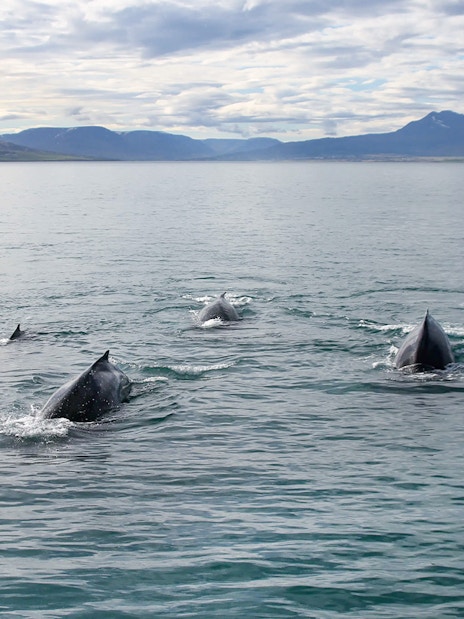
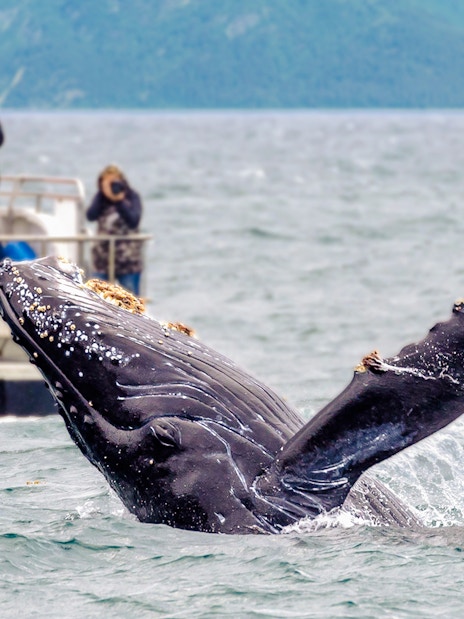
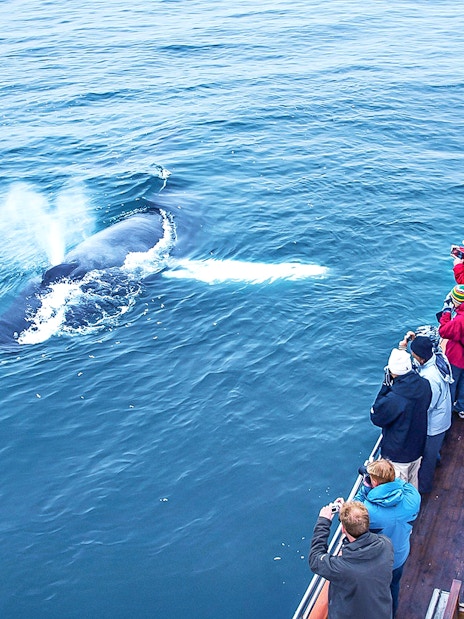
Humpbacks are the stars of Eyjafjörður. They are curious, surface-active, and often feeding close to the boat. Their fluke dives and bubble-net feeding make sightings especially dramatic in this sheltered fjord.
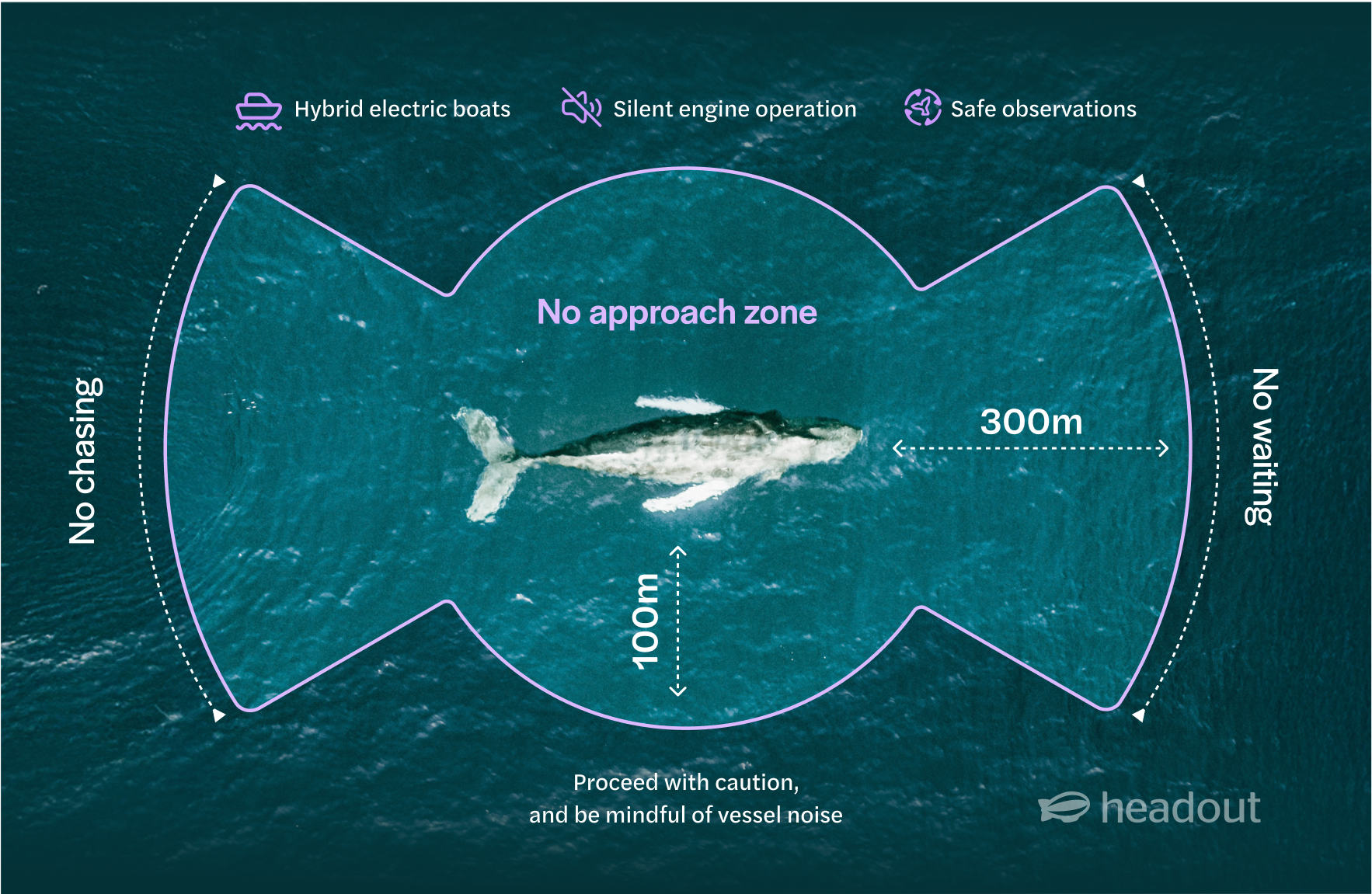
Akureyri’s whale watching operators follow the IceWhale Code of Conduct, shaped by ongoing research in Eyjafjörður, one of Iceland’s most closely monitored marine areas. The captains here follow stricter speed control, wider approach angles, and carefully timed viewing windows to avoid crowding a single animal or pod.
Instead of relying on fast manoeuvres, boats slow to minimal-wake speeds as soon as a whale blow is spotted. In Eyjafjörður, where sound travels quickly through the sheltered water, captains often turn off the engines or drift so that whales can decide how close they want to be. Guides avoid creating “pressure points” by keeping boats to one side of a whale’s path and maintaining wide turning arcs, something especially important in a fjord where animals may be feeding or resting close to shore.
Akureyri’s operators participate in regional wildlife monitoring programs, sharing sighting logs and behaviour notes with biologists studying the long-term return of individual humpbacks. Several companies publicly report sustainability actions each year, from switching to cleaner fuel mixes to reducing plastic use on board. This community-driven approach keeps the fjord one of Iceland’s most responsibly managed whale watching areas, ensuring encounters stay respectful, educational, and genuinely wild.
Best time to go whale watching in Akureyri
Akureyri’s whale watching season runs mainly from April to October, when Eyjafjörður fills with migrating humpbacks feeding in the nutrient-rich fjord. Most tours begin operating in April and May, and because early-season slots fill quickly, it’s smart to plan well in advance. May to August is the core season, with 95–99% sighting success. Whale watching is not common in winter due to rougher seas, limited daylight, and whale movement patterns.
Boarding point: Port of Akureyri | Find on map

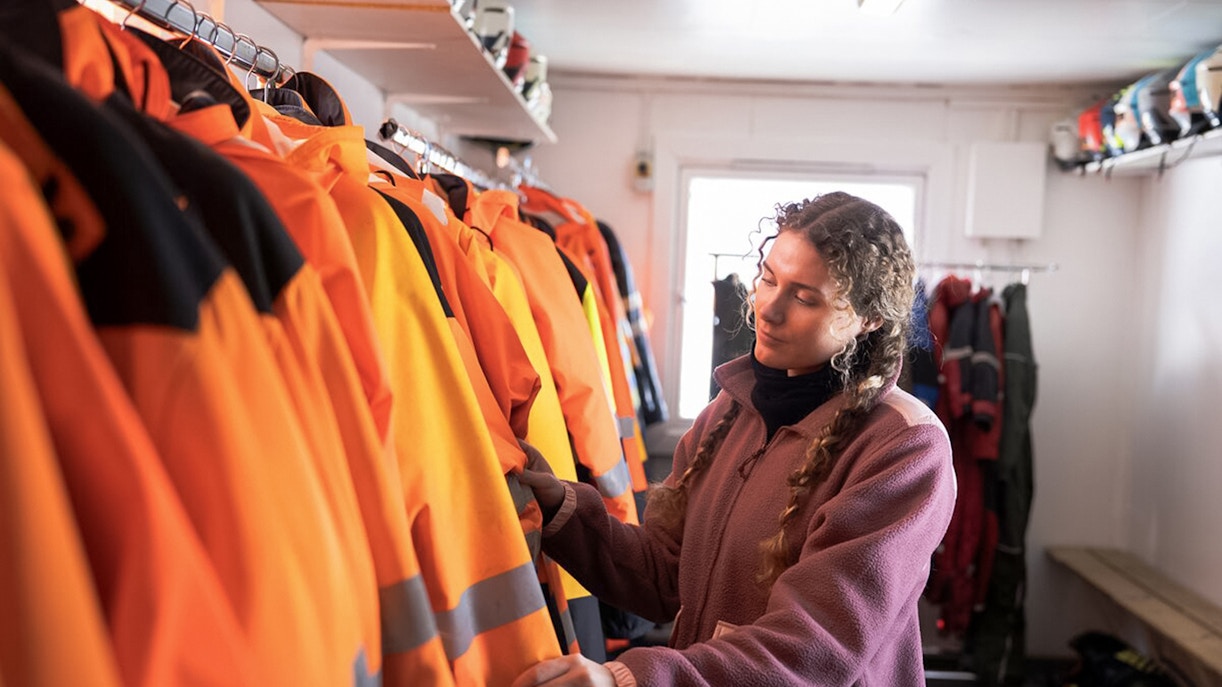

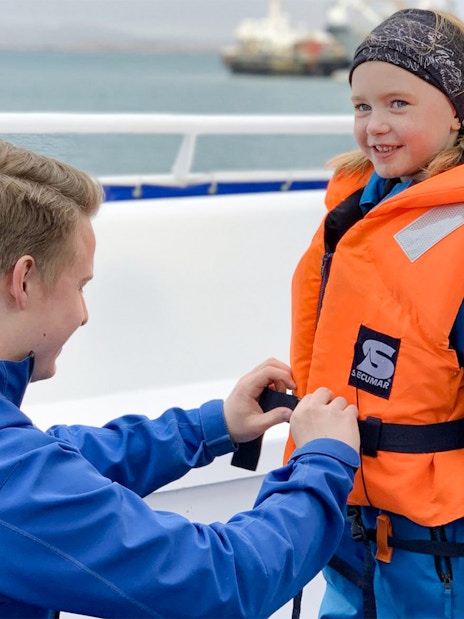
Arrive at least 20–30 minutes early to check in, collect your warm overalls, and board calmly. Akureyri departures run on tight schedules, and boats will not wait if you’re late.
Dress warmer than you expect. The fjord is colder than Akureyri town, even on sunny days. Wear layers, a warm hat, gloves, wool socks, and sturdy shoes. Overalls are provided, but good base layers make a big difference.
Weather in Eyjafjörður can shift fast. Captains assess wind, visibility, and swells in real time and may cancel, delay, or switch vessels for safety.
Sightings cannot be guaranteed, but success rates sit around 95–99% in peak season. If you don’t see whales, you'll get a free return ticket valid for a future date.
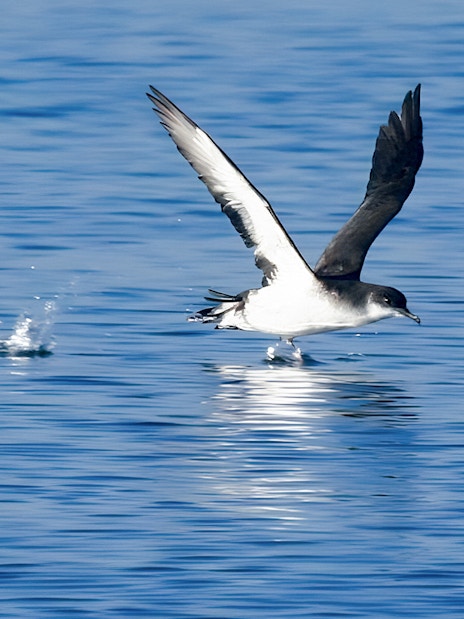
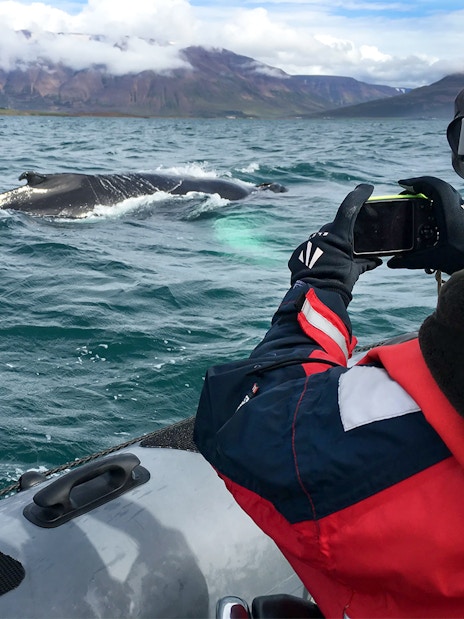
Yes. The fjord’s calm water and mountains create excellent light for wildlife photos. Bring a zoom lens (200mm+) for whales and birds. Keep your camera strap secure, as sudden boat turns are common.
Classic catamarans and oak boats have indoor bathrooms, heated cabins, and snack bars.
RIB speedboats have no toilets, so use the facilities at the harbour before departure.
Small bags are fine on classic boats. On RIB tours, bring minimal items only, as storage is limited. Cameras, phones, and sunglasses should be secured inside your overalls during high-speed travel.
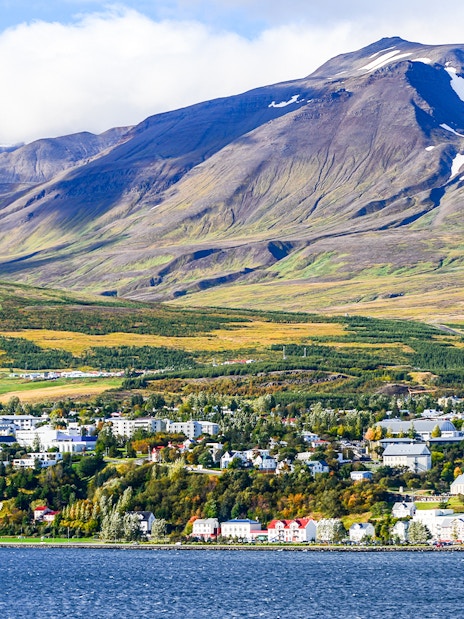
Akureyri is ideal if you want calmer waters, shorter travel time to sightings, and regular humpback encounters inside a glacier-carved fjord. It’s perfect if you’re exploring North Iceland or want a gentler alternative to Húsavík.
Boats maintain safe, regulated distances under the IceWhale Code of Conduct. Whales often choose to approach on their own in the calm fjord, especially curious humpbacks, creating natural, respectful encounters.