English
English

Headout is an authorized and trusted partner of the venue, offering curated experiences to enjoy this attraction. This is not the venue's website.



Your ending point would be same as your start point
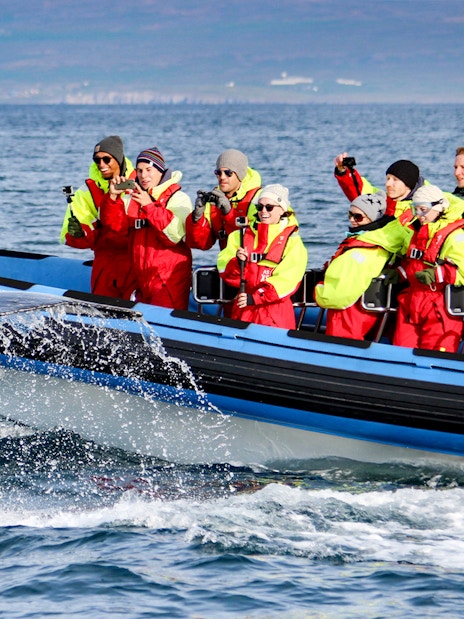
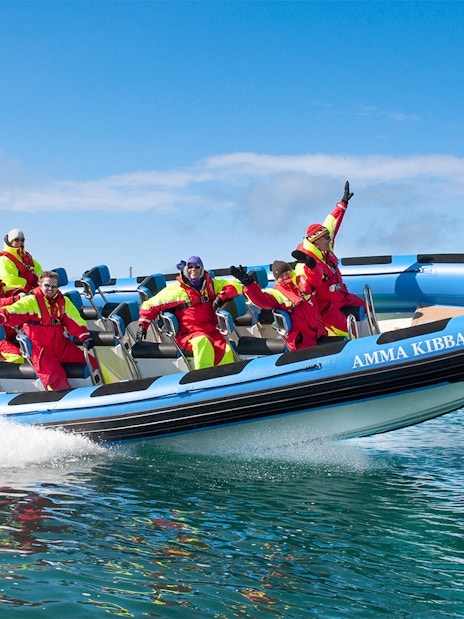
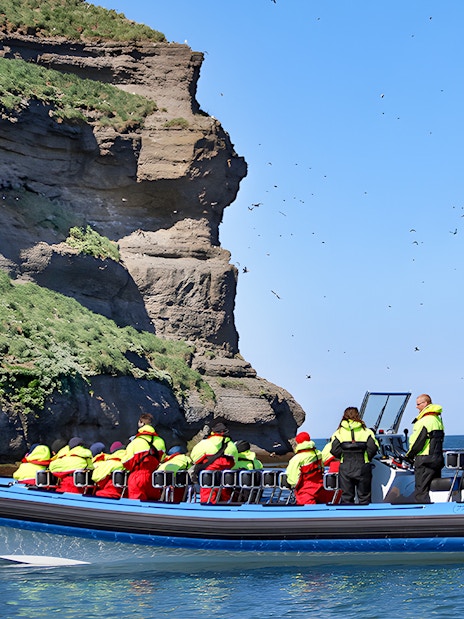
High-speed RIB tour for close-up whale and puffin encounters in Husavik’s Skjálfandi Bay.
High-speed RIB tour for close-up whale and puffin encounters in Husavik’s Skjálfandi Bay.
Inclusions
Exclusions
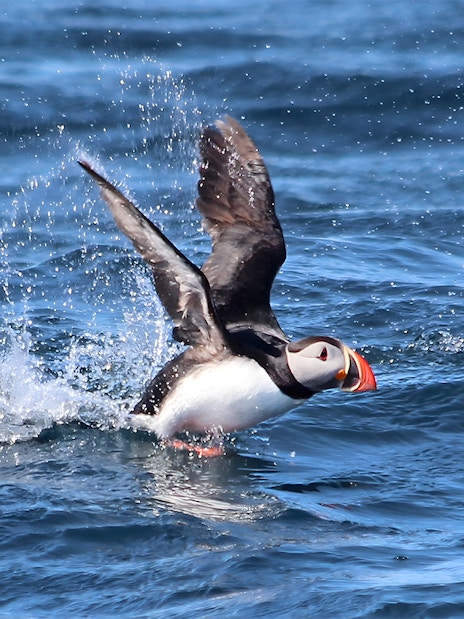
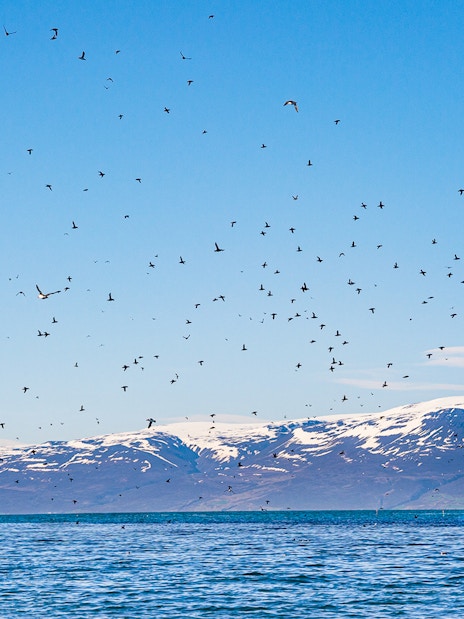
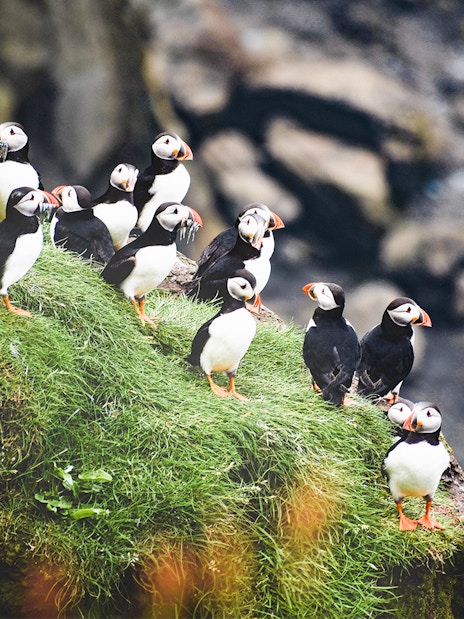
Choose a whale watching and puffin combo tour to spot puffins alongside whales. Puffins are highly seasonal and only visible during the summer nesting months along the Húsavík coastline.
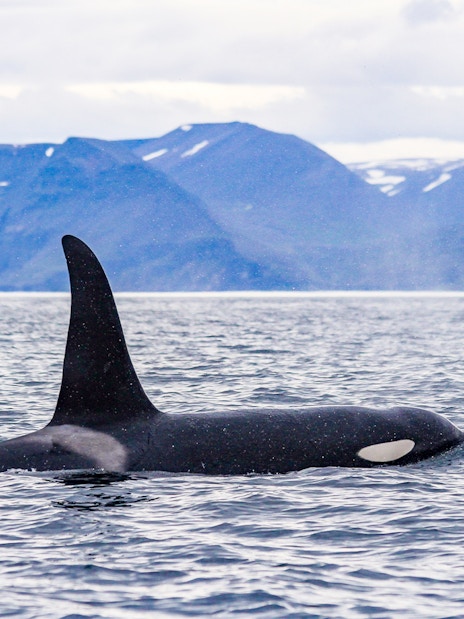



Your ending point would be same as your start point
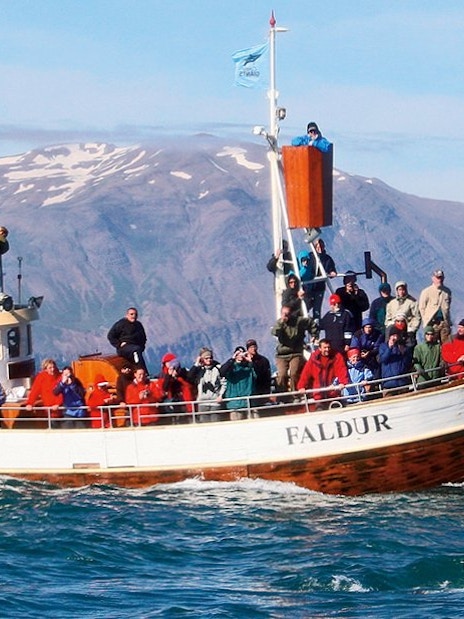
Traditional oak-boat whale watching in Europe's whale capital with expert guides and rich marine life.
Traditional oak-boat whale watching in Europe's whale capital with expert guides and rich marine life.
Inclusions
Exclusions



Passes By


Your ending point would be same as your start point
Combine whale watching and puffin spotting on a scenic cruise from Husavík—two Icelandic icons in one trip.
Combine whale watching and puffin spotting on a scenic cruise from Husavík—two Icelandic icons in one trip.
Inclusions
Exclusions


Whale watching
Your ending point would be same as your start point
Experience Iceland’s original silent whale watching on a carbon-neutral oak boat from Husavík.
Experience Iceland’s original silent whale watching on a carbon-neutral oak boat from Husavík.
Inclusions
Exclusions
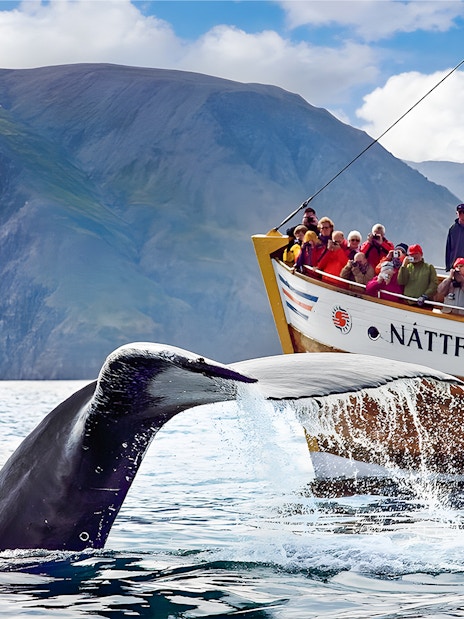
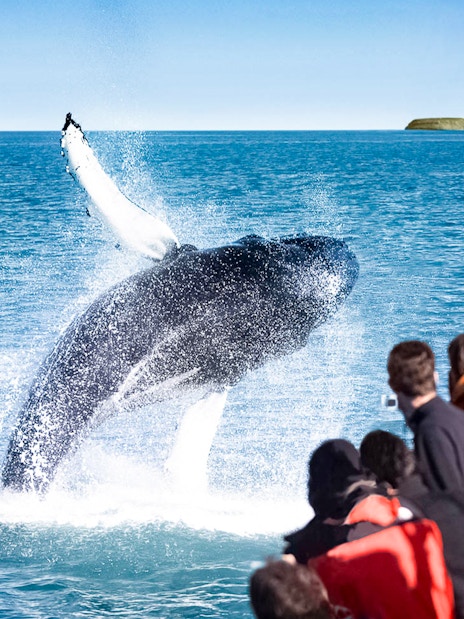
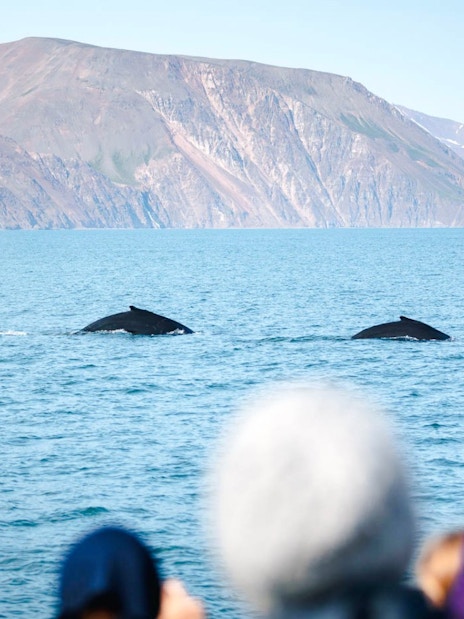
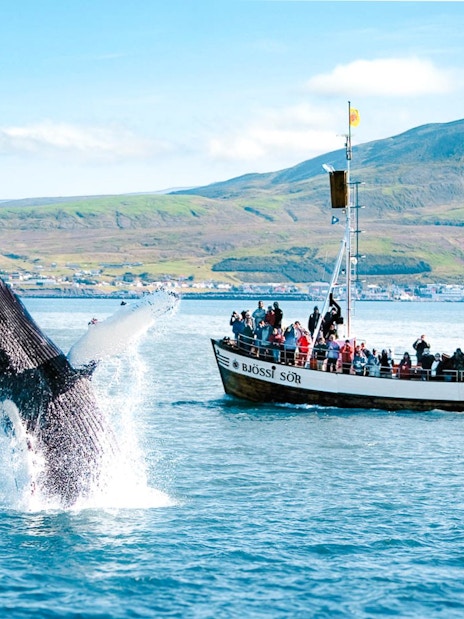
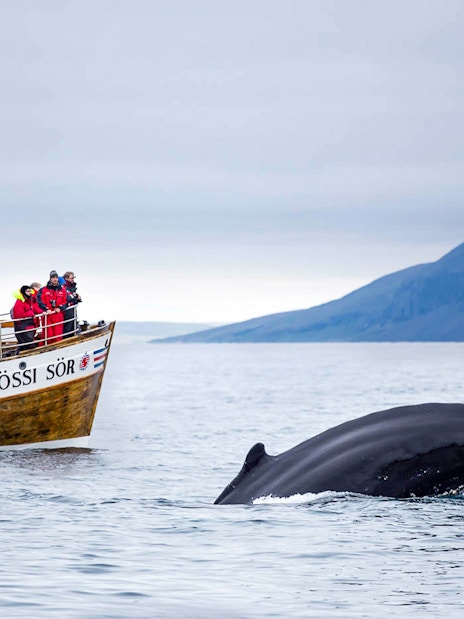
Sail Skjálfandi Bay for an unforgettable whale watching adventure with expert local guides
Sail Skjálfandi Bay for an unforgettable whale watching adventure with expert local guides
Inclusions


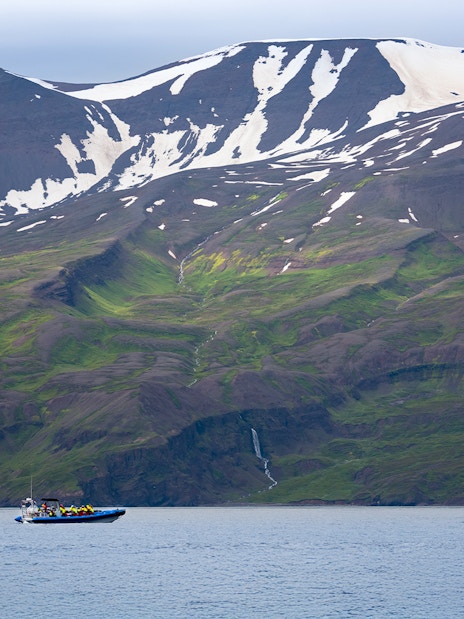
Skjálfandi Bay’s rich feeding grounds and nearby islands lie just minutes from Húsavík Harbour, so boats reach wildlife hotspots quickly, offering more time with whales and less time travelling.


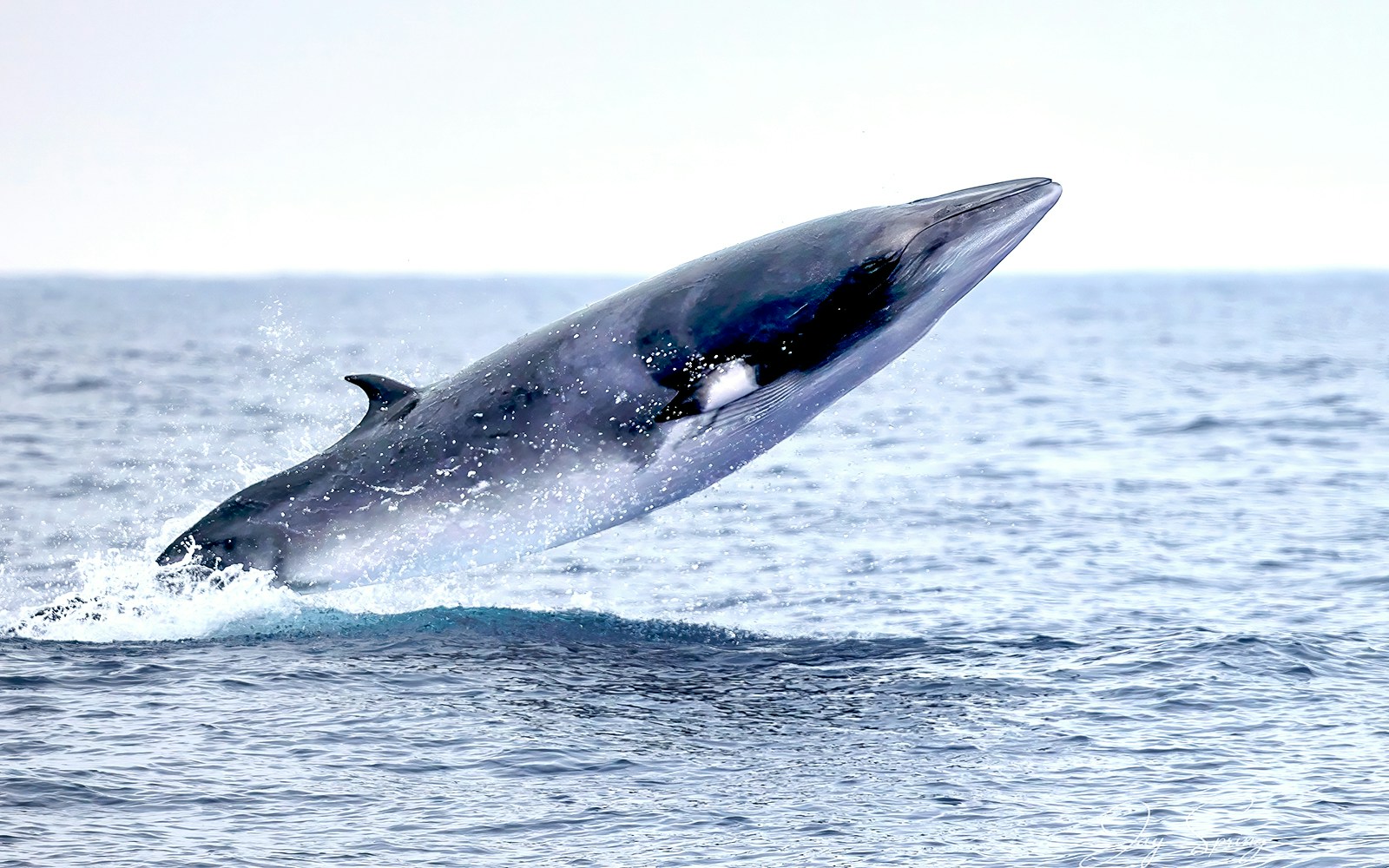


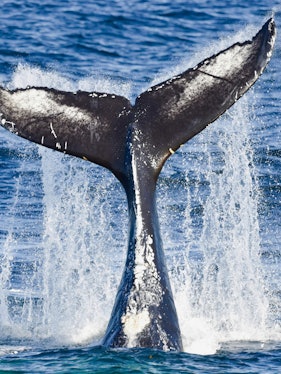
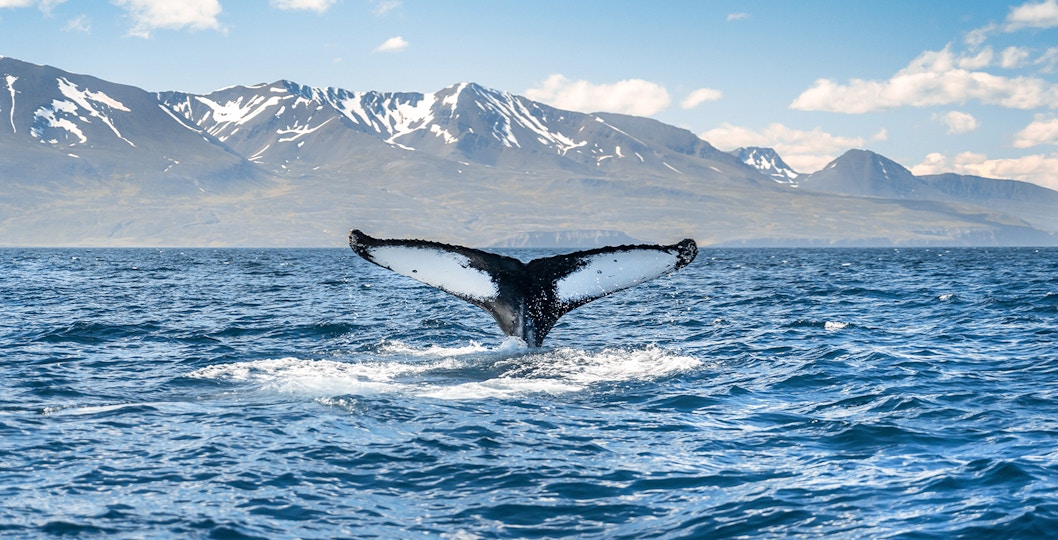
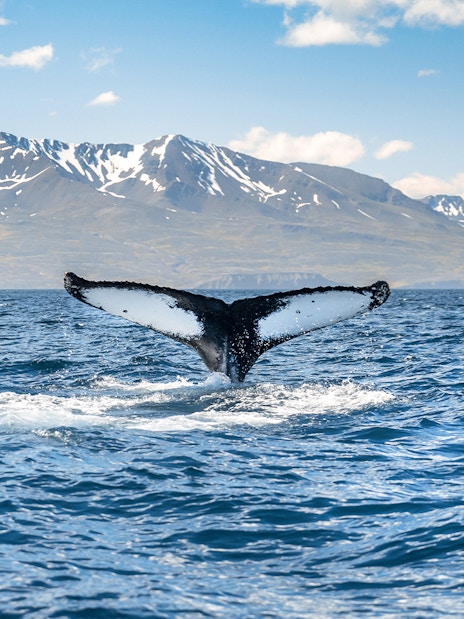
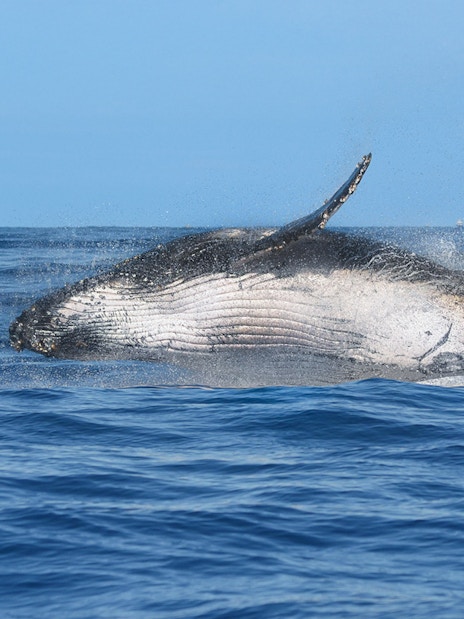
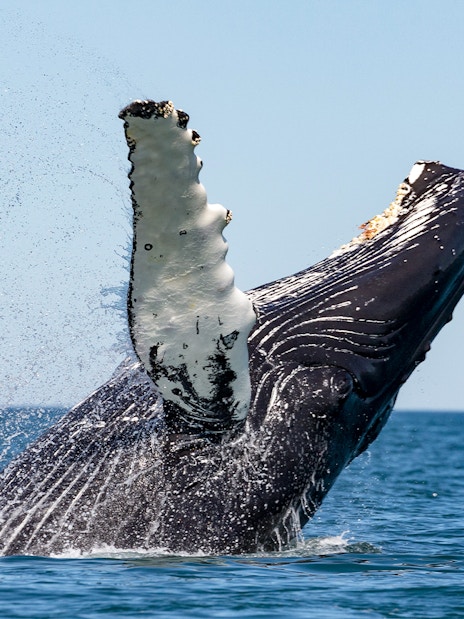
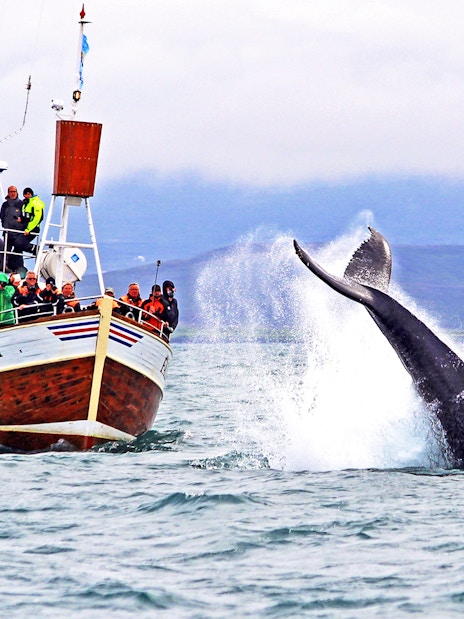
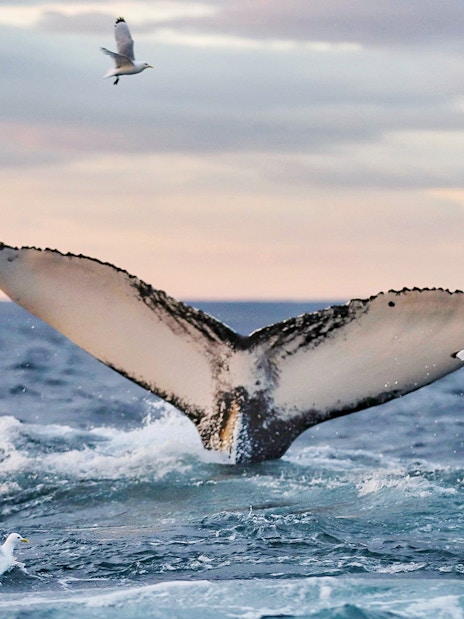
Humpbacks use Skjálfandi Bay as a summer feeding ground, often surfacing in slow, rhythmic intervals that make them easy to track. Their bubble feeding, high tail lifts, and unhurried circling patterns are common here, giving you long, steady viewing moments as they move through the bay’s channels.
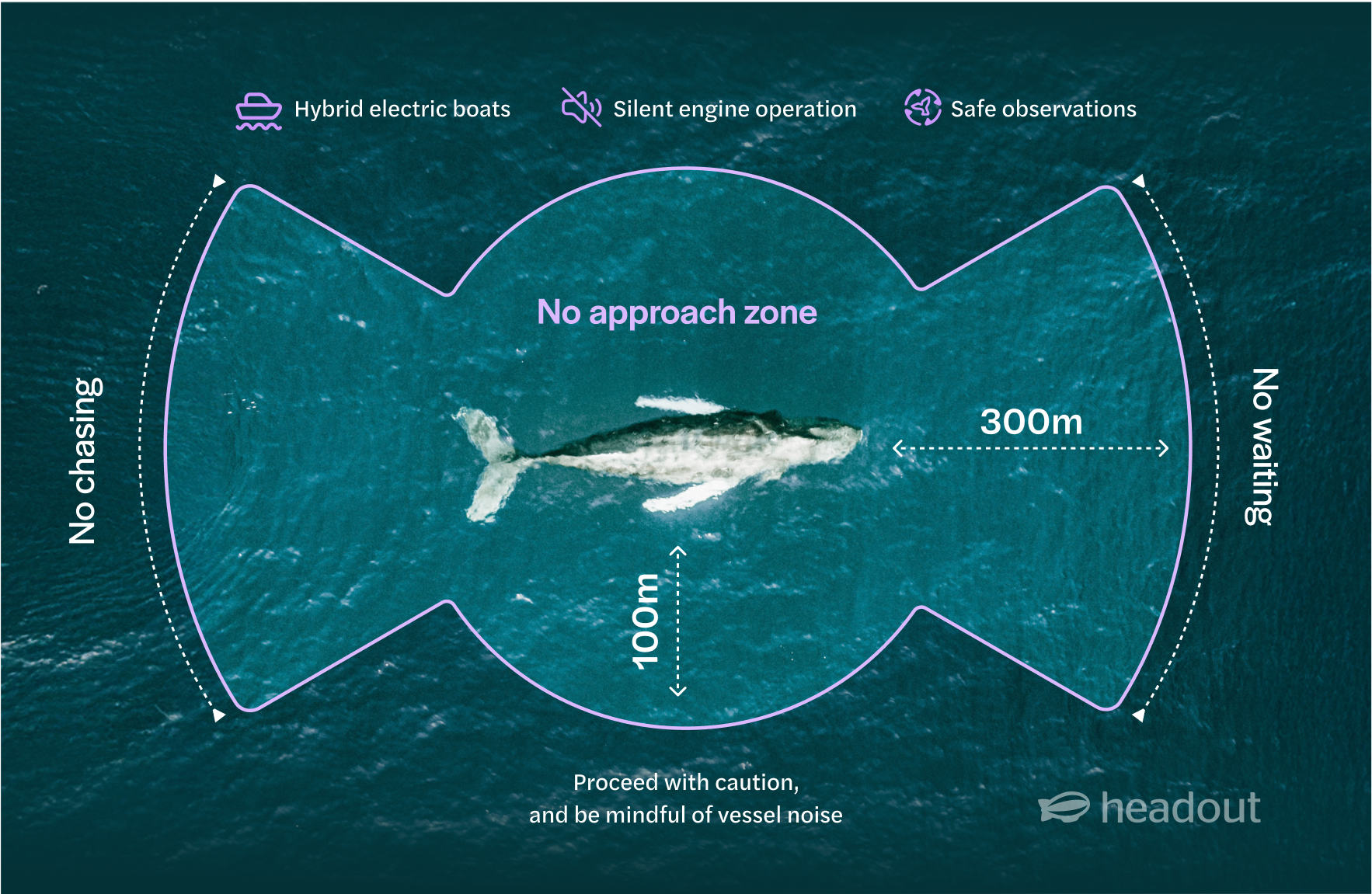
The tours follow a clear, research-based code of conduct developed and promoted through IceWhale and local industry groups. That code sets approach distances, speed limits, and rules for how boats position relative to feeding or nursing animals. It exists to protect whales’ feeding time and energy budgets while keeping encounters safe and meaningful for guests.
Silent watching and noise control
Skjálfandi Bay tours reduce engine noise during sightings: captains slow down to low speeds or cut engines and allow whales to choose the distance. Guides use quiet observation, binoculars, and slow maneuvering so animals are not chased or encircled. These simple steps lower stress on the animals and improve the quality of encounters for passengers.

Best time to go whale watching in Húsavík
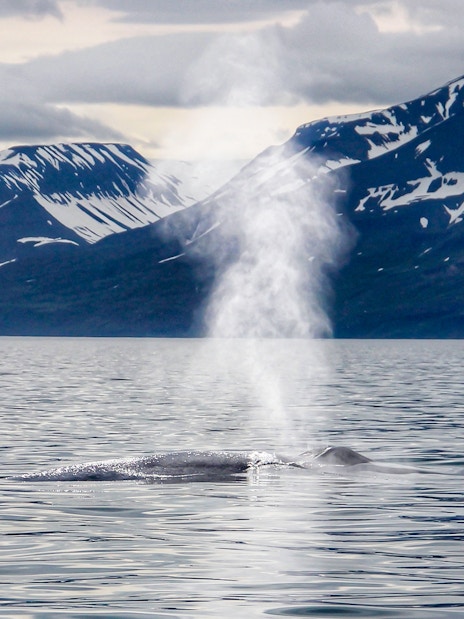
May to September is the prime window in Húsavík because Skjálfandi Bay reaches peak productivity. Cold Arctic currents mix with nutrient-heavy coastal waters, drawing humpbacks and minkes into reliable feeding patterns close to shore.
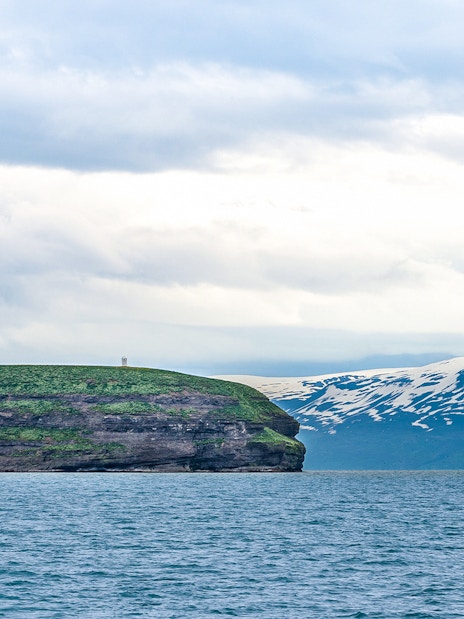
Summer (June–August) brings steady sea conditions and long daylight that make tracking whales easier. Puffins settle on Lundey and Flatey, and humpbacks stay in the bay for weeks at a time, feeding in predictable loops.
Late spring and early autumn still deliver strong activity, with fewer boats on the water and calmer transitions between weather systems that help with stable viewing.
Reykjavík: Husavik Harbour | Find on map


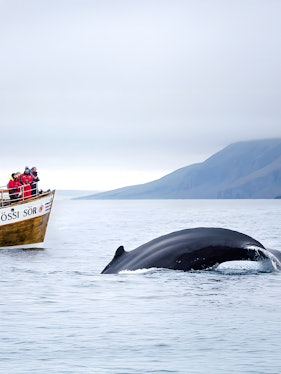
For first-time visitors, the classic oak boat tour is usually the best choice. It moves steadily through Skjálfandi Bay, gives you plenty of space to watch the water, and stays long enough in each feeding area for relaxed sightings.
Húsavík tours stand out because they operate inside Skjálfandi Bay, a feeding ground where whales return in steady patterns through the summer. Sightings often happen closer to the harbor, and the route usually passes Lundey and Flatey, giving you a mix of whales and seabirds in one circuit.
The best time to go whale watching from Húsavík is May to September, when Skjálfandi Bay reaches peak productivity and whales feed close to shore. Humpbacks stay in steady loops through the bay, minkes use the inner channels, and puffins nest on Lundey and Flatey. Summer also brings calmer seas and long daylight, which makes spotting easier and gives you more viewing time.
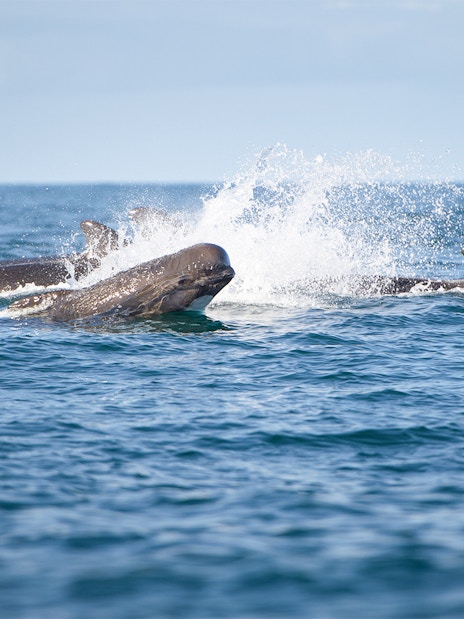
In Húsavík, boats follow strict guidelines that balance safety with close observation. Oak boats and RIBs often approach whales within tens of meters, close enough to see blows, tail slaps, and bubble feeding, but far enough to avoid disturbing their natural behaviour.
Most tours last around 3 hours, including time navigating to the feeding areas near Lundey and Flatey, observing whales, and returning to the harbor.
Yes, you can but avoid using flash. Items should be secured with straps or stored in waterproof cases. Crew may advise on the best angles for capturing whales and seabirds.
Tours may be rescheduled, altered, or canceled for safety if sea or weather conditions change. Guests are notified via the contact information provided at booking.
Many visitors pair tours with visits to the Húsavík Whale Museum, puffin watching near Lundey, or exploring the Tjörnes peninsula.