Top things to do in Reykjavik

Why do a Snæfellsnes Peninsula tour in Reykjavík?

See “Iceland in Miniature” without changing hotels
From Reykjavík, you can leave the city after breakfast and spend the day tracing black-sand shores, lava fields, fishing villages, and glacier views before returning by night.
Because the scenery never sticks to one mood
Snæfellsnes isn’t a one-note day trip. One moment, you’re watching waves crash below rugged cliffs; the next, you’re framing Kirkjufell rising like it was designed for postcards.
Trade city streets for pure road-trip energy
There’s something special about starting in compact, colorful Reykjavík and then rolling into a peninsula that feels raw, open, and gloriously remote. The journey itself is part of the magic: wide skies, dramatic coastlines, and those “pull over, right now” views that Iceland does so well.
It’s a quieter, moodier side of Iceland
If the Golden Circle is Iceland’s headline act, Snæfellsnes feels like the local favorite.
You can do it your way
From Reykjavík, this experience works for different travel styles: a guided day tour if you want zero road stress, a small-group trip for a more personal pace, or a self-drive if you’re confident and want full freedom. Easy, flexible, and very choose-your-own-adventure.
It rewards every season
In summer, you get long daylight and softer, greener views. In winter, the peninsula turns stark, snowy, and wonderfully dramatic. Either way, Reykjavík makes it a smart base for reaching a part of Iceland that feels bigger, wilder, and beautifully worth the detour.
Highlights of your Snæfellsnes Peninsula experience

Kirkjufell across the water
From the classic viewpoint, Kirkjufell rises alone above the bay, its steep sides reflected in calm water when conditions are still. The mountain feels even more sculptural with the low falls in front, giving the stop a layered frame of rock, river, and sky.
Plan your Snæfellsnes Peninsula experience
- Full-day tours usually leave Reykjavík early morning and return at night.
- Standard day trips take about 11–13 hours door-to-door.
- 2-day options slow the pace and reduce same-day driving.
- Most departures are morning only; afternoon starts are uncommon.
- Early departures maximize daylight and major stops.
- May–September suits self-drive; winter favors guided trips.
November 2026
- Guided tours commonly start in Reykjavík, usually hotel pickups or designated bus stops.
- Exact pickup address varies by operator and appears on the voucher.
- Reykjavík city center — https://maps.google.com/?q=Reykjavik+Iceland
- Strætó buses connect most central pickup zones across the city.
- City-center parking can be limited near bus stops and hotels.
- Reach the meeting point about 15 minutes early.
- Expect several short walks on gravel, sand, and uneven rocks.
- Day trips include 4–6+ hours of scenic driving between stops.
- Most viewpoints allow roughly 15–45 minutes off the vehicle.
- Storms, ice, or short daylight can shorten the route.
- School-age children usually manage well; very young kids may tire.
- Many views sit near parking, but beaches and cliffs remain uneven.
- Available at villages, cafés, and petrol stations; none guaranteed at viewpoints.
- Most itineraries include a lunch break, but choices stay limited.
- Pack snacks if vegetarian, vegan, or allergy-specific options matter.
- Coaches or minibuses provide seated travel; outdoor stops have minimal shelter.
- Main roads usually have signal; remote coastal stretches can weaken.
- Standard group tours rarely offer full wheelchair-adapted facilities.
- Coastal wind and rain can arrive quickly, even in summer.
- Pack a waterproof, windproof shell in every season.
- Closed-toe shoes with grip work best on gravel, sand, and wet rocks.
- Add hat and gloves in winter; sunglasses and sunscreen in summer.
- Carry water, a phone, and light snacks in a small bag.
- Bulky luggage feels awkward on short walks and in tight vehicle space.
- Conditions can shift quickly across the peninsula during one trip.
- Short daylight, icy roads, and storms can alter routes.
- Longer daylight helps, but strong coastal wind still affects stops.
- Low cloud can completely hide Snæfellsjökull on otherwise clear days.
- Self-drivers should monitor safetravel.is and road.is before departure.
- November to February benefits from extra buffer time in the itinerary.
November 2026
Tips & guidelines
- Wear windproof, waterproof layers even in summer. Coastal viewpoints are exposed, and it often feels much colder standing still for photos than it does in the vehicle.
- Choose sturdy closed-toe shoes with good grip. Several stops involve short walks on gravel, sand, or slippery rocks, especially around beaches and cliff viewpoints.
- In winter and shoulder months, keep gloves and a hat easy to reach. You’ll be getting on and off often, and cold hands make phones and cameras harder to use.
- Stay well back from cliff edges and the shoreline. Strong gusts and sudden waves are real hazards here, especially when people focus on photos instead of footing.
- If you’re self-driving, download offline maps before you leave. Mobile coverage is usually decent on main roads, but weaker on some remote coastal stretches.
Frequently asked questions about Snæfellsnes Peninsula tour tickets
Most full-day Snæfellsnes Peninsula tours from Reykjavík take about 11–13 hours total. Expect an early departure, several scenic stops, a lunch break, and a late return. It’s a road-trip style day, so you’ll spend several hours driving between short walks and viewpoints.
Choose a guided Snæfellsnes tour if you want hotel pickup, commentary, and no road stress. Self-drive works best for confident drivers who want flexible photo stops, especially in summer. In winter, changing weather and icy roads make guided tours the safer choice for many visitors.
A day trip covers the headline stops efficiently, but it feels long and fast-paced. An overnight stay on the peninsula gives you slower driving, better light for photos, and more time for villages or short hikes. If you dislike long bus days, an overnight usually feels easier.
Many Snæfellsnes tours include Kirkjufell, Arnarstapi, and Djúpalónssandur, but not every itinerary is identical. Always check the named stops before booking. In winter or poor weather, guides may adjust the route or skip viewpoints if conditions are unsafe or daylight is limited.
Many Snæfellsnes day tours from Reykjavík include hotel pickup or a nearby meeting point, but not all do. Pickup zones, timing, and return drop-off can vary by operator. Check your ticket details carefully before booking, especially if you need direct pickup from your accommodation.
Large coach tours are usually cheaper, but they can feel slower at each stop because more people board and exit together. Small-group Snæfellsnes tours usually offer a calmer pace, easier guide interaction, and slightly more flexibility for photo stops or shorter waits between viewpoints.
Yes, winter Snæfellsnes tours can be rewarding, but conditions are less predictable. Expect short daylight hours, strong winds, and possible route changes. If you’re visiting in winter, guided tours are often more practical than self-driving unless you’re confident on icy coastal roads.
Snæfellsnes tour itineraries are weather-dependent. If storms, ice, or poor visibility make travel unsafe, operators may shorten the route, skip stops, reschedule, or cancel the departure. Refund and rebooking rules depend on your ticket, so read the cancellation policy before you book.
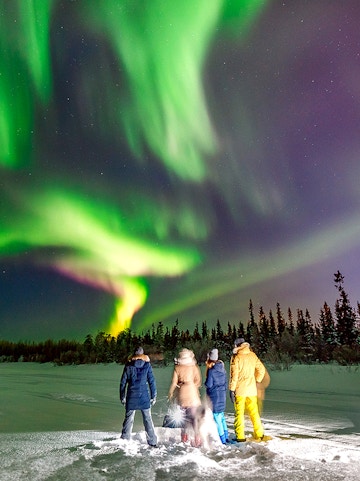
Not on standard daytime Snæfellsnes tours. To have a realistic Northern Lights chance, you usually need an overnight stay on the peninsula in winter, plus dark skies and clear weather. Aurora sightings are never guaranteed, so treat them as a bonus rather than a promised inclusion.
Wear layered, windproof, and waterproof clothing, plus sturdy closed-toe shoes with grip. Even in summer, coastal stops can feel cold and windy. In winter, add gloves, a hat, and warm outerwear. Dress for short outdoor stops, not just the time spent inside the vehicle.
Most full-day Snæfellsnes tours include at least one lunch stop and several restroom breaks, usually in villages, cafés, or petrol stations. Options can be basic, especially for special diets, so bringing snacks and water is sensible if you need flexibility between stops.
Most tours involve several short walks rather than one long hike. Expect uneven surfaces like gravel, rocks, sand, or slippery coastal paths at some stops. Many viewpoints are close to parking areas, but the best views often require 5–10 minutes of walking on unpaved ground.
That depends on the Snæfellsnes ticket you choose. Some tours allow free cancellation or date changes up to a set time before departure, while others are non-refundable. Always check the booking terms before payment, especially for winter travel when weather-related changes are more common.
Not usually in summer for the standard sightseeing loop, as main roads are generally manageable for regular cars in good conditions. In winter, a 4x4 can help, but current weather and driver experience matter more. Always check road conditions on the day of travel.
Yes. Stay back from cliff edges, obey warning signs, and keep a safe distance from the water at black-sand or pebble beaches. Wind, slippery rocks, and sneaker waves can be dangerous. Don’t turn your back on the ocean for photos, especially in rough conditions.