
Europe’s second-largest glacier, best known for snowmobiling, and monster truck rides with convenient access from the Golden Circle.
Plan your visit to Iceland’s glaciers
Iceland’s glaciers cover nearly 11 percent of the country and shape many of its most dramatic landscapes. Visiting glaciers in Iceland usually involves guided experiences such as glacier hikes, ice caves, snowmobiling, or scenic drives through glacial regions. Since glaciers are spread across the island, planning your route and base locations is essential.
Travel logistics
Most glacier experiences start from Reykjavik, Vík, Skaftafell, Húsafell, or Gullfoss, depending on the glacier. Reykjavik works best for day trips, while Skaftafell and Vík suit multi-day itineraries. Guided tours simplify transport and safety, especially for ice caves and snowmobiling. Self-driving offers flexibility but requires comfort with long distances and changing weather.
Plan your day
- Quick visit (2–3 hrs): Easy glacier hike or ice cave near Skaftafell or Vík.
- Half day (4–5 hrs): Snowmobiling on Langjökull or Katla ice cave tour.
- Full day (6+ hrs): Golden Circle plus glacier activity or South Coast glacier combo.
Handy tips
- Tickets: Glacier hikes, ice caves, and snowmobiles require guided tours.
- Best times: Ice caves are best visited from November to March, while glacier hiking runs year-round, with the clearest weather typically between May and September. Snowmobiling and super-jeep tours operate most of the year on Langjökull and Mýrdalsjökull.
- Rules: Helmets, crampons, and guide instructions are mandatory.
- Pro tip: Combine glacier tours with nearby waterfalls to maximize travel time.
- Respect: Stay on marked routes to protect fragile ice formations.
Before booking a glacier day trip, consider what will shape your experience:
- Guided vs DIY: Glacier access requires guides for safety, making tours the practical choice.
- Transfers: Many tours include Reykjavik pickup, while others require self-driving to glacier bases like Skaftafell or Vík.
- Inclusions: Some tours bundle glacier gear, ice cave entry, or snowmobile rides, while others focus on hiking only.
- Duration: Half-day tours suit tight schedules; full-day tours combine glaciers with waterfalls or lagoons.
- Accessibility: Easy glacier hikes suit most travelers, while snowmobiling and advanced hikes have age and fitness limits.
Must see places
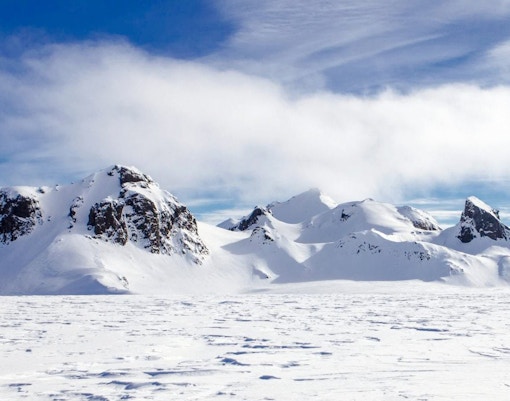
Langjökull glacier
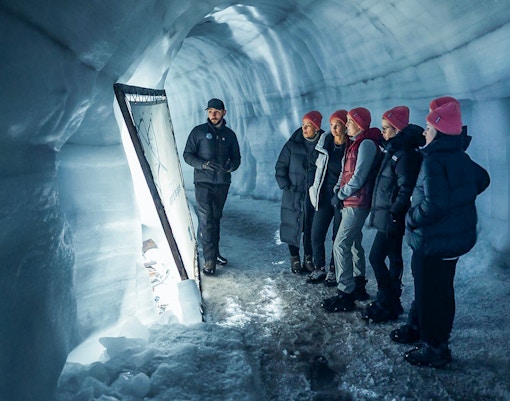
Glacier tunnel (Langjökull Ice Tunnel)
A man-made tunnel carved deep into Langjökull, allowing visitors to walk inside the glacier year-round and see layered ice formations up close.
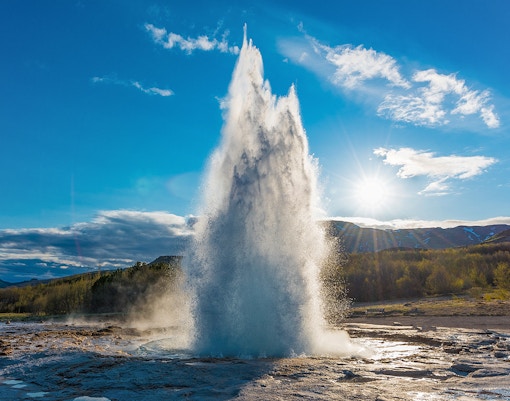
Golden Circle
Iceland’s most famous sightseeing route, linking Þingvellir National Park, Geysir, and Gullfoss, often combined with Langjökull glacier tours.
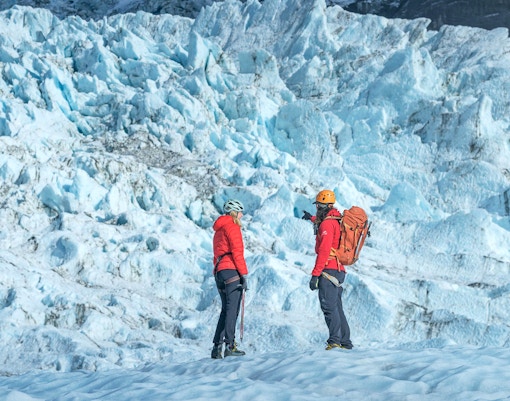
Skaftafell glacier
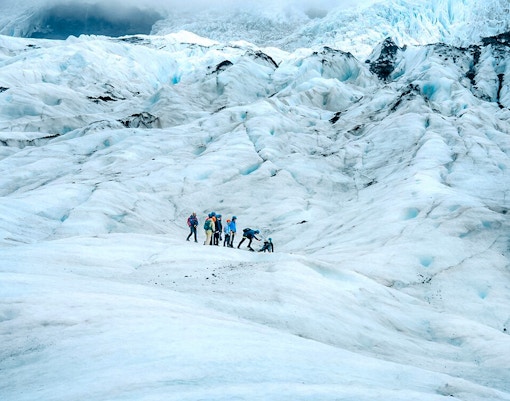
One of the most accessible outlets of Vatnajökull, offering guided glacier hikes across blue ice, deep crevasses, and panoramic views in Skaftafell National Park.
Vatnajökull glacier
Europe’s largest ice cap, home to Skaftafell glacier hikes, blue ice caves, and some of Iceland’s most striking glacier scenery.
Mýrdalsjökull
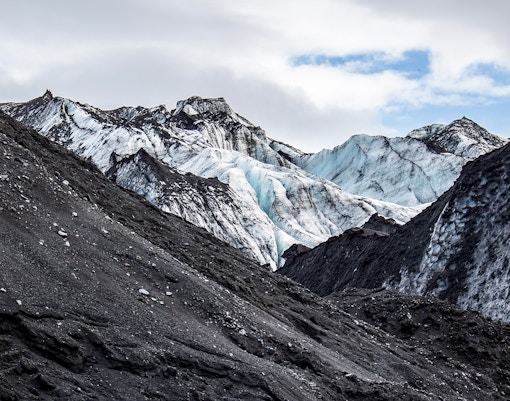
A vast volcanic glacier dominating Iceland’s South Coast, serving as the gateway to Katla ice cave tours and dramatic landscapes shaped by fire and ice.
Sólheimajökull glacier
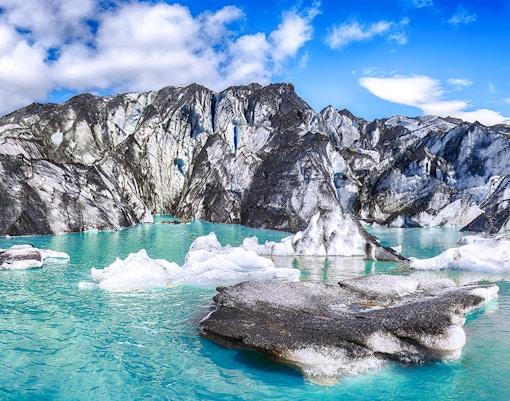
An easily accessible glacier tongue of Mýrdalsjökull, popular for introductory glacier hikes and close-up views of crevasses and ice ridges.
Katla ice cave
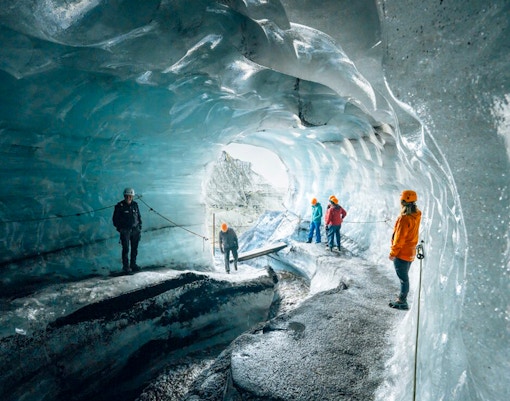
A striking natural ice cave beneath Mýrdalsjökull, known for its dark volcanic ice, sculpted walls, and year-round accessibility from Vík.
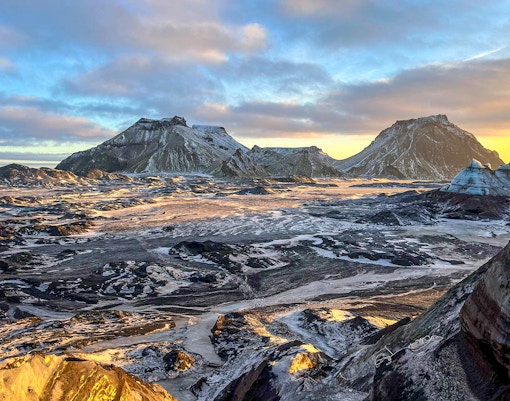
Iceland South Coast
A scenic region combining glaciers with waterfalls, black sand beaches, and coastal villages, often paired with glacier hikes or Katla ice cave visits.
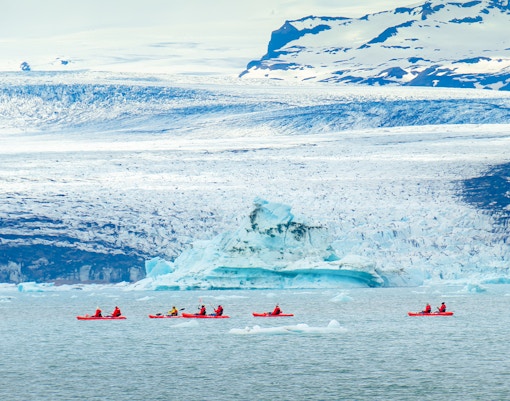
Jökulsárlón glacier Lagoon
A world-famous glacial lagoon filled with drifting icebergs, typically visited alongside Diamond Beach on South Coast and Vatnajökull itineraries.
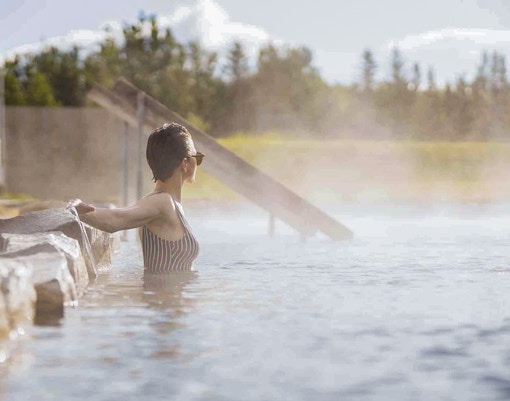
Secret Lagoon
A natural geothermal pool near the Golden Circle, offering a relaxing soak that pairs well with glacier snowmobiling or sightseeing days.
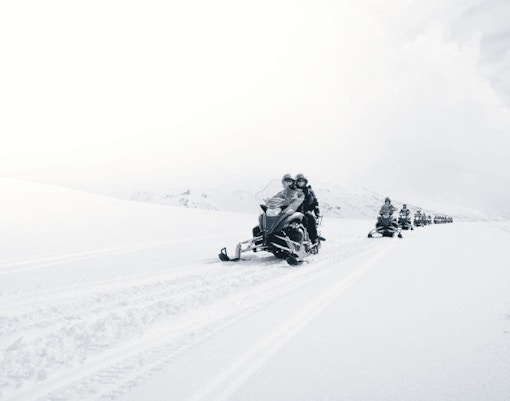
Mývatn snowmobile area
A lesser-visited northern region offering snowmobile adventures across open landscapes, ideal for travelers exploring beyond the South Coast.
Getting to glaciers of Iceland
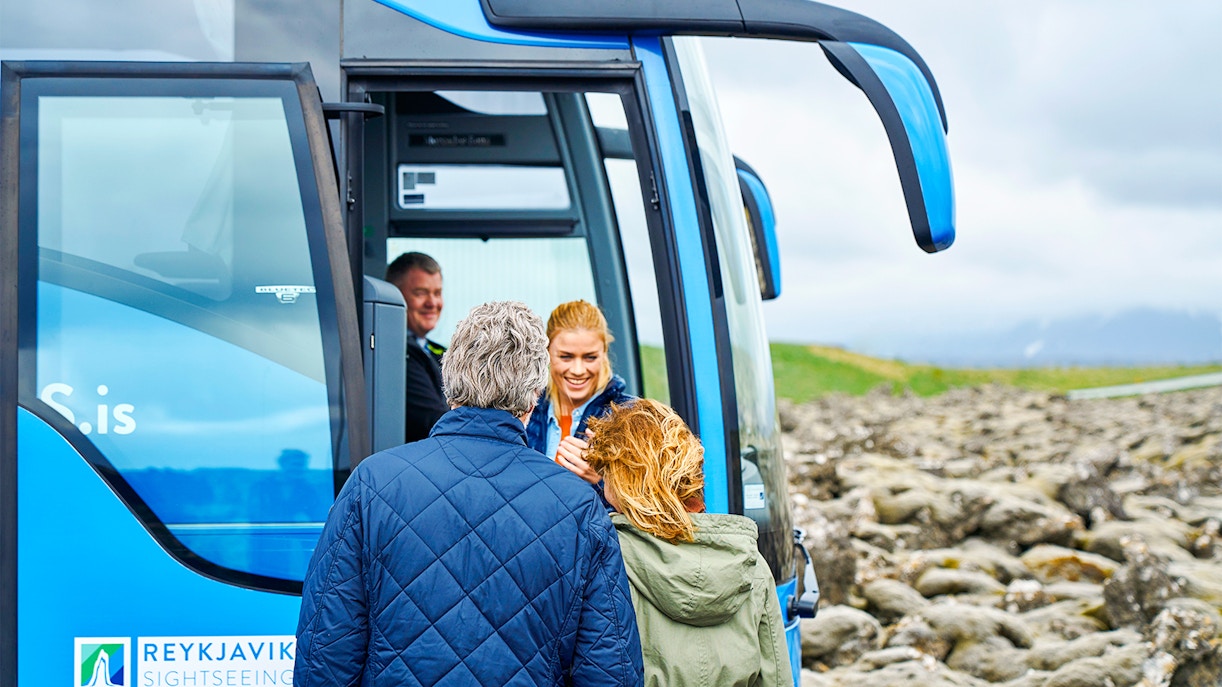
The easiest way to reach glaciers safely and efficiently from Reykjavik or regional hubs.
- Time: 6–12 hrs round trip
- Cost: €€€
- Pros: Transfers, gear, expert guides
- Cons: Fixed schedules
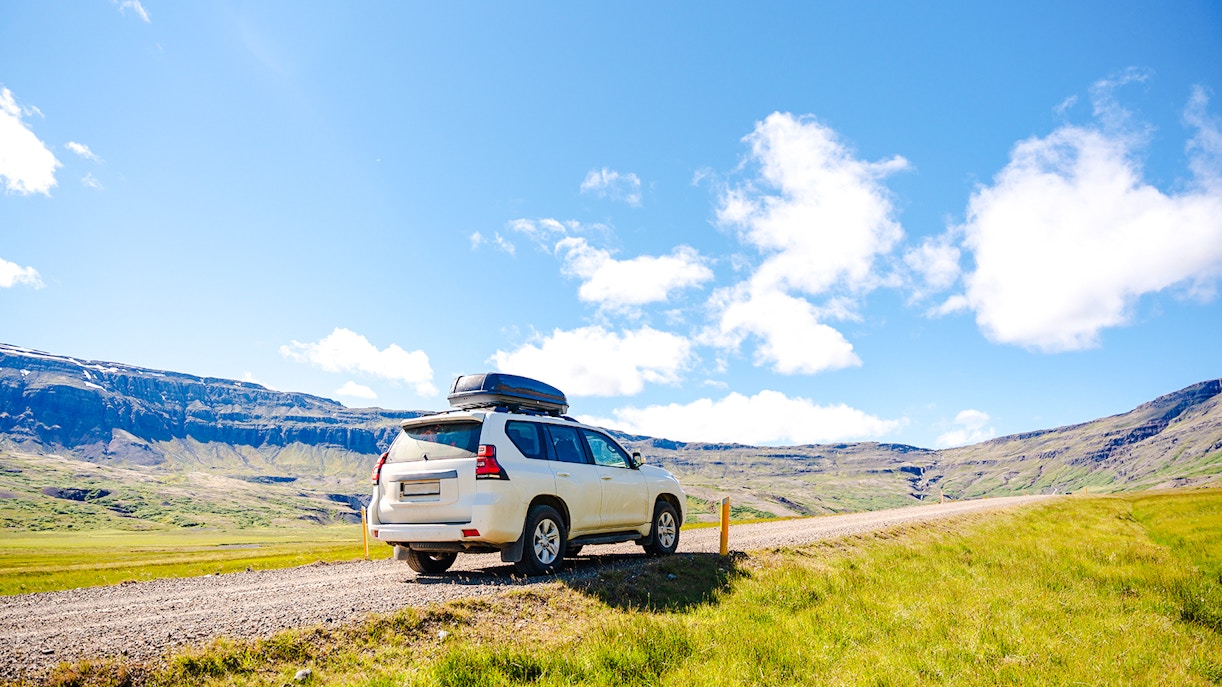
For those planning multi-day trips and who want flexible itineraries.
- Time: Varies by glacier
- Cost: Rental + fuel
- Best for: Confident drivers
- Cons: Weather, long distances
How to get around the glaciers of Iceland
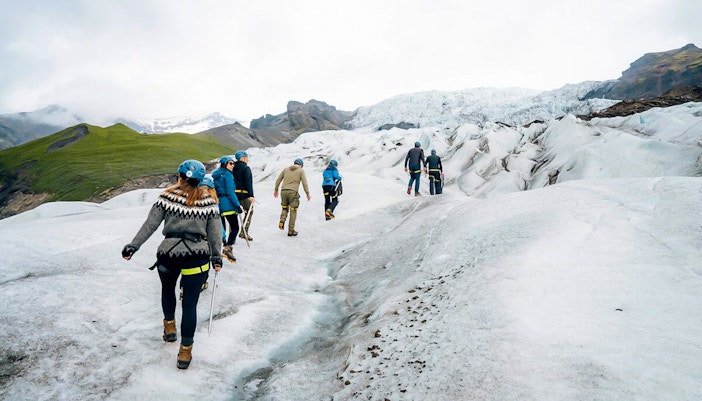
Walking
Limited to marked glacier access points and visitor areas.
- Best for: Short glacier walks
- Cons: Not suitable on ice without guides
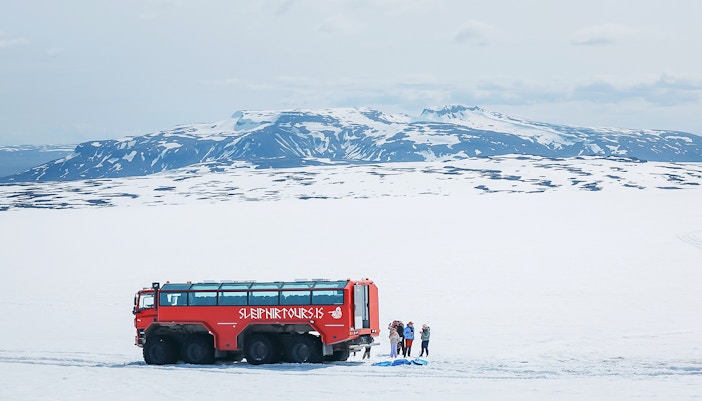
Tour vehicles (Super jeeps & buses)
Used for glacier access and rough terrain.
- Pros: Safe, efficient
- Cons: Only available with tours
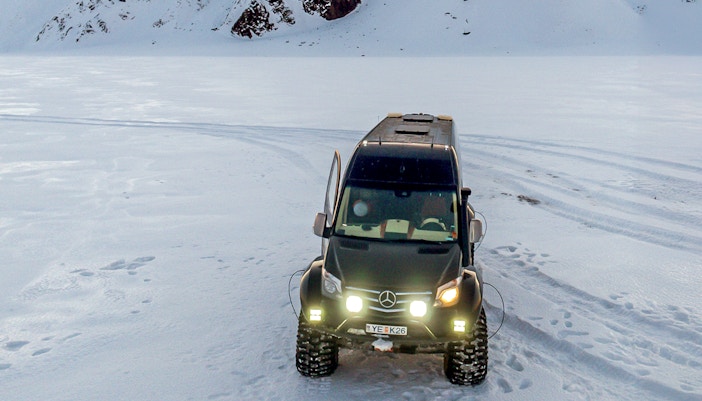
Car
Useful for moving between glacier regions.
- Best for: Road trips
- Cons: Limited access directly onto glaciers
More things to do in Iceland

1/4
Golden Circle sightseeing
See Iceland’s classic trio of Þingvellir National Park, the erupting Geysir area, and Gullfoss waterfall, often combined with Langjökull glacier snowmobiling in one efficient day.
South Coast waterfalls
Walk behind Seljalandsfoss and feel the power of Skógafoss, two iconic stops that pair naturally with glacier hikes and Katla ice cave tours near Vík.
Hot springs
Soak in naturally heated pools such as the Secret Lagoon, a relaxing contrast to glacier adventures and a popular add-on to Golden Circle and South Coast routes.
Black sand beaches
Visit Vikurfjara’s volcanic shoreline, where basalt columns, crashing Atlantic waves, and black sand create one of Iceland’s most dramatic coastal landscapes.
Where to eat near the glaciers of Iceland
Good food is part of the glacier travel experience, especially along popular routes and base towns.
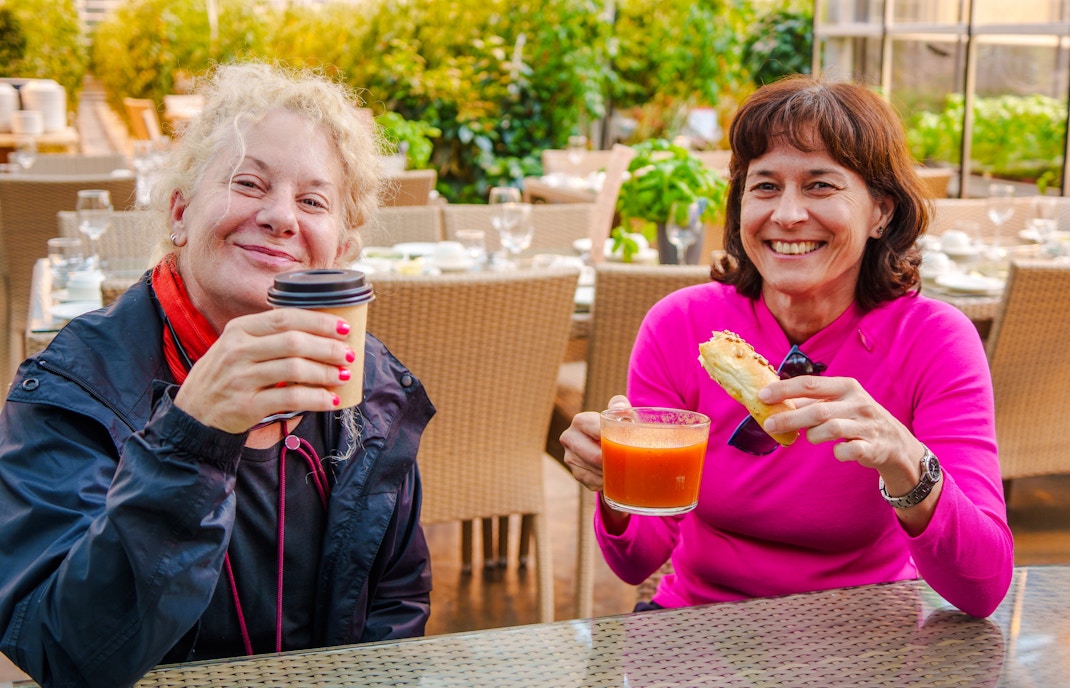
Fridheimar
Farm-to-table tomato dishes inside a greenhouse.
- Where it is: Golden Circle route
- Cuisine: Icelandic / local produce
- Rating: 4.6/5
- Price point: €€
- Must-try: Tomato soup
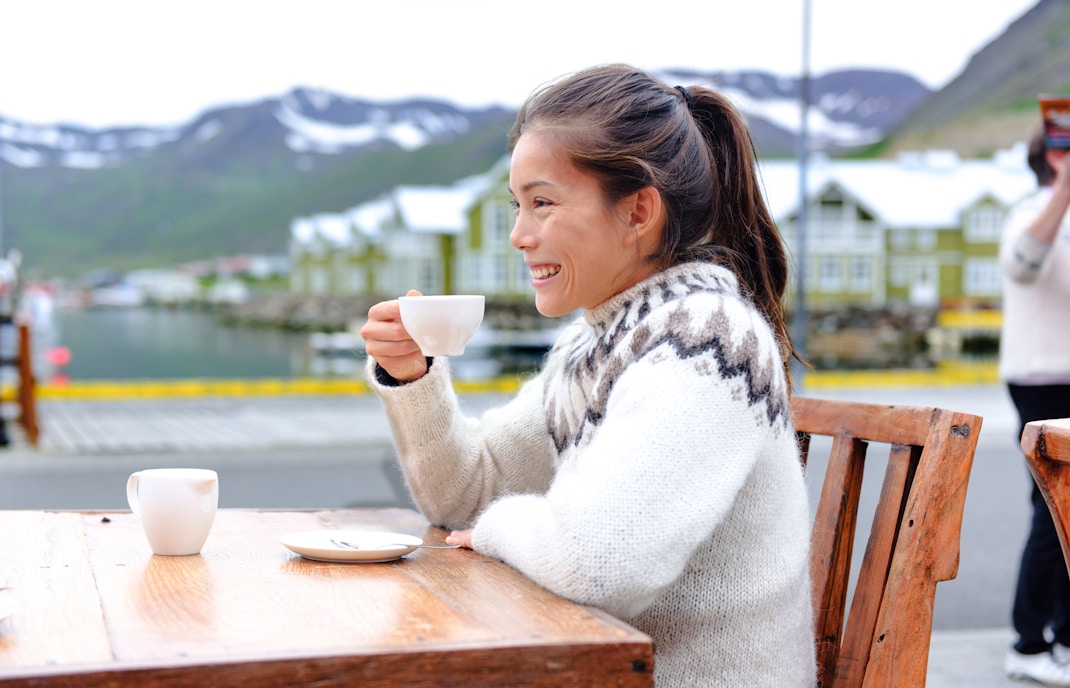
Skaftafell Bistro
Casual meals near Vatnajökull hiking trails.
- Where it is: Skaftafell Visitor Centre
- Cuisine: Café / Icelandic
- Rating: 4.2/5
- Price point: €€
- Must-try: Lamb soup
Where to shop
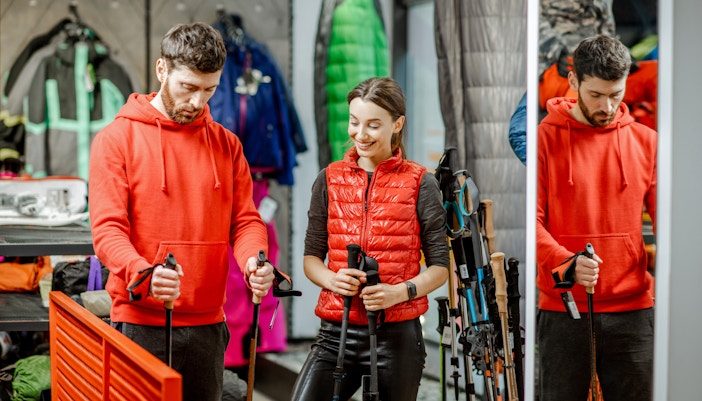
Skaftafell Visitor Shop
A practical stop near Vatnajökull for maps, outdoor essentials, and glacier-inspired souvenirs, ideal for last-minute gear or educational keepsakes.

Vík Wool & Souvenirs
A reliable place to buy authentic Icelandic wool sweaters, scarves, and locally made gifts, perfect for warm, functional souvenirs.
Golden Circle Stops
Well-placed roadside shops offering Icelandic snacks, lava stone crafts, books, and travel necessities, making them convenient breaks during long drives.
Tips from locals
- Layer up properly: Conditions near glaciers can change within minutes, so windproof and waterproof layers make a real difference.
- Follow your guide’s lead: Glacier conditions shift daily, and local guides adjust routes based on safety and visibility.
- Plan early in winter: Limited daylight means morning departures give you better light and fewer disruptions.
- Stick to marked routes: Ice can be thin or unstable away from designated paths, even when it looks safe.
- Match regions to routes: Langjökull pairs well with Golden Circle days, while Vatnajökull fits naturally into South Coast itineraries.
Frequently asked questions about visiting glaciers in Iceland
Yes, glaciers and ice caves must be visited with certified guides, as conditions change daily and require safety equipment, route knowledge, and emergency preparedness.
Glacier hikes operate year-round, while natural ice caves are best from November to March when cold temperatures stabilize the ice formations.
Many easy glacier hikes welcome children, but snowmobiling and ice cave tours usually have minimum age limits, which vary by tour and operator.
Most standard glacier hikes involve moderate walking on uneven ice, while advanced hikes and ice climbing require good fitness and comfort with longer, steeper routes.
Temperatures are often colder than nearby towns due to wind exposure, even in summer, so proper layering and windproof clothing are essential.
Yes, tours may be cancelled or rescheduled if strong winds, heavy snowfall, or poor visibility make glacier conditions unsafe.
Wear thermal layers, waterproof outerwear, gloves, and sturdy hiking shoes; helmets, crampons, and glacier equipment are provided by tour operators.
Most glacier tours are not wheelchair accessible due to ice terrain, steps, and uneven surfaces, but viewing points and lagoons like Jökulsárlón are more accessible.
Some tours include hotel pickup from Reykjavik, while others require self-driving to meeting points like Skaftafell, Vík, or Húsafell, so checking the starting location is important.
Yes, many full-day tours combine glaciers with the Golden Circle, South Coast waterfalls, black sand beaches, or hot springs for a well-rounded itinerary.

