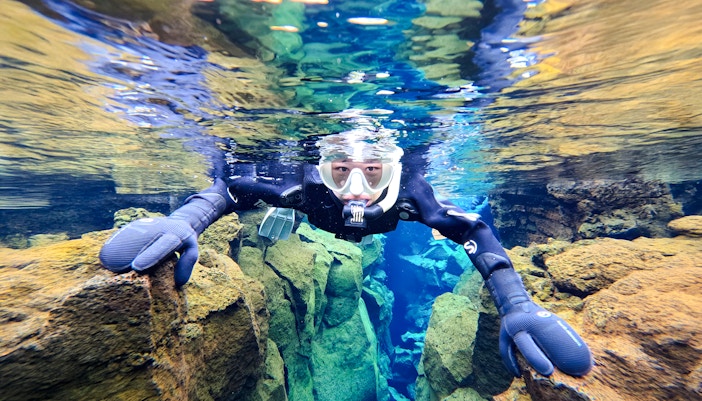
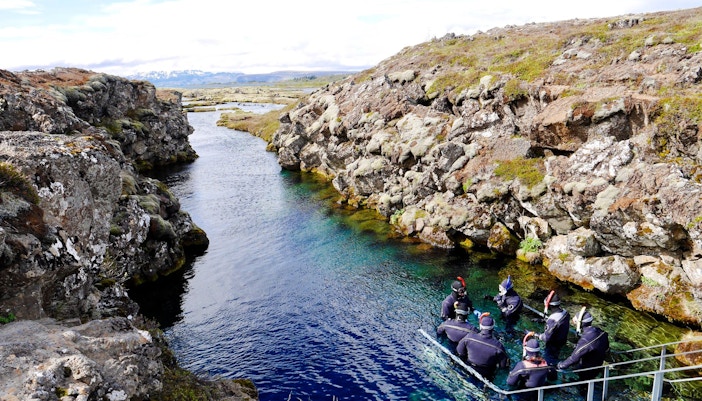
Float between the North American and Eurasian tectonic plates in crystal-clear glacial water. Guided tours provide drysuits, gear, and underwater photos, with some options including Reykjavik transfers or combo experiences.
Thingvellir National Park: Spot to Iceland’s best underwater experiences
Quick overview
- Location: Thingvellir National Park is located in southwest Iceland, about 45 km (28 miles) northeast of Reykjavik, and is one of the main stops on the popular Golden Circle route.
- UNESCO World Heritage Site: The park was designated a UNESCO World Heritage Site in 2004 for its cultural and geological significance.
- Tectonic plate boundary: Thingvellir sits along the Mid-Atlantic Ridge, where the North American and Eurasian tectonic plates are slowly drifting apart, creating dramatic rift valleys and fissures.
- Historic significance: It is the site of Alþingi (Althing), the world’s oldest surviving parliament, established here in 930 AD and used as Iceland’s national assembly for nearly 800 years.
- Silfra fissure: The park is famous for Silfra, a crystal-clear fissure filled with glacial water where you can snorkel or dive between two continents.
- Largest natural lake: The park borders Lake Þingvallavatn, Iceland’s largest natural lake and an important ecological habitat.
- Popular outdoor destination: It’s known for hiking, snorkeling, scuba diving, wildlife viewing, and photography, attracting visitors year-round.
Highlights of your visit to Thingvellir National Park
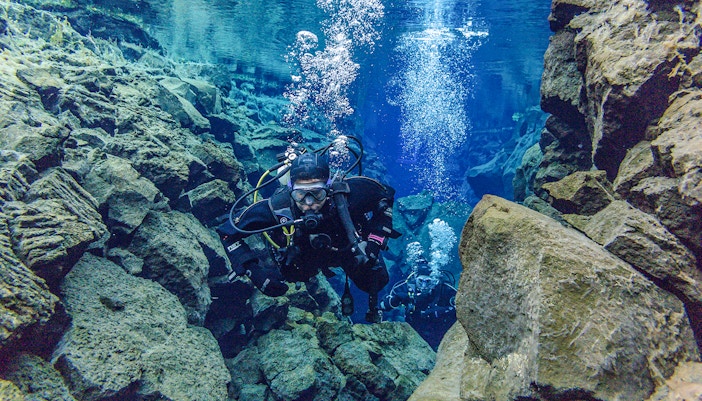
Snorkel in Silfra Fissure
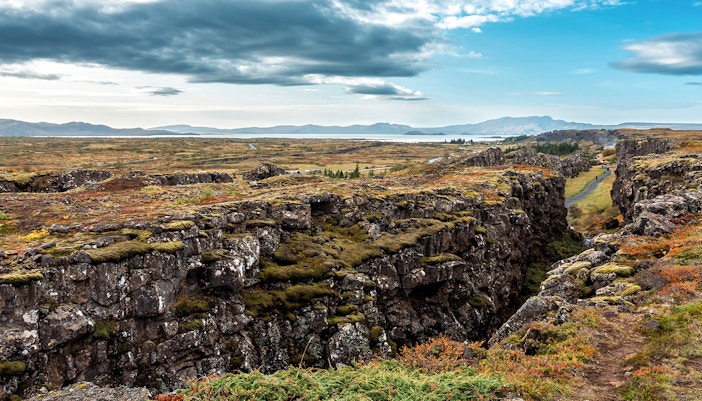
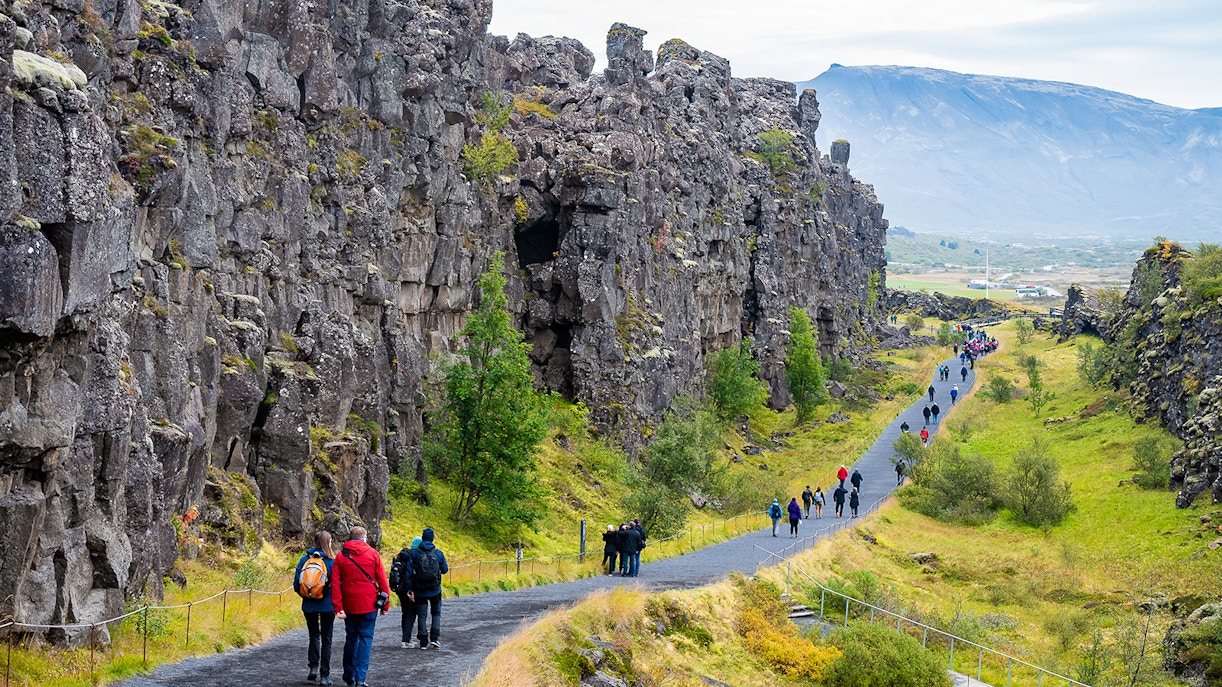
Walk between tectonic plates at Almannagjá Gorge
Stroll along boardwalk trails through a dramatic rift valley where the continents are slowly drifting apart.
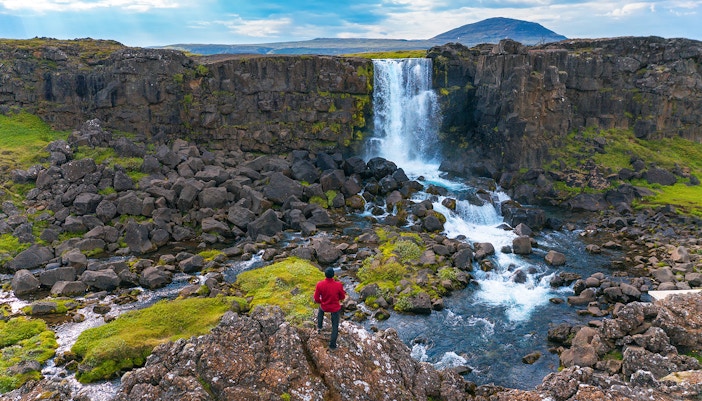
Visit Öxarárfoss waterfall
A scenic waterfall inside the park, reached by a short walking trail through lava fields and rocky cliffs.
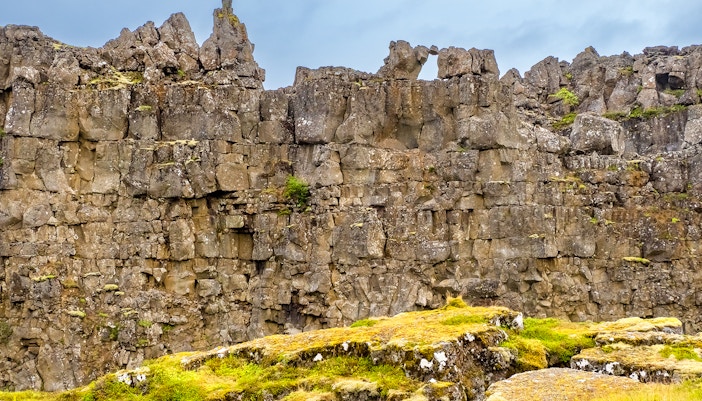
Explore Iceland’s first parliament site
See the historic fields where the Alþingi parliament was founded in 930 AD, including the famous Law Rock.
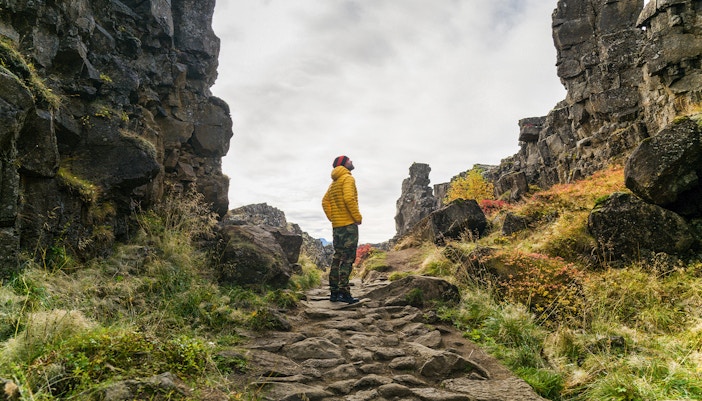
Hike scenic rift valley trails
Easy-to-moderate walking paths lead through lava landscapes, cliffs, and viewpoints across the national park.
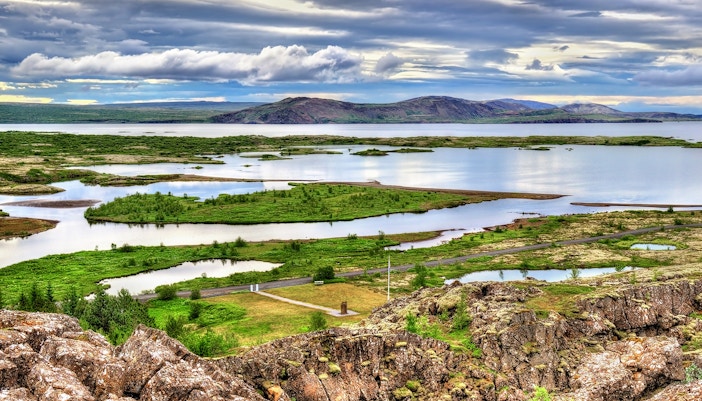
See Lake Thingvallavatn
Iceland’s largest natural lake sits beside the park, offering peaceful views and wildlife habitat.
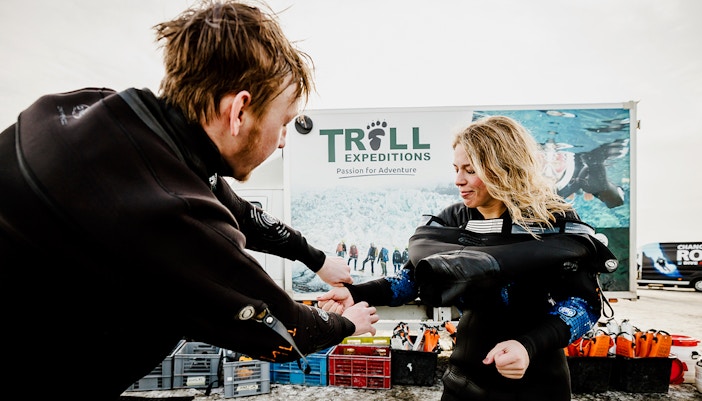
Join a guided Silfra adventure tour
You can choose snorkeling tours, scuba diving upgrades, or tours that include hot drinks and photos after the experience.
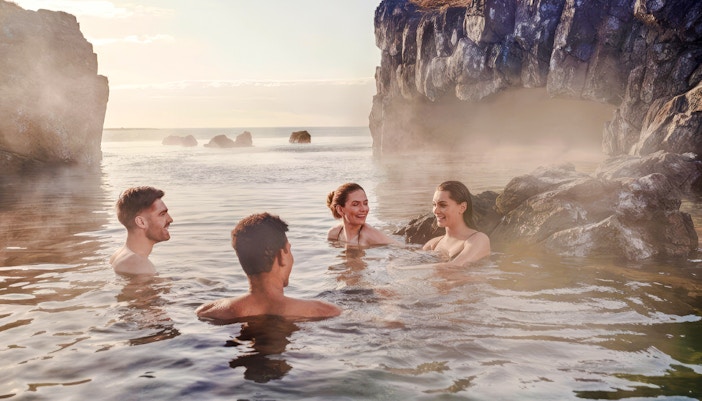
Combine Silfra with geothermal spa experiences
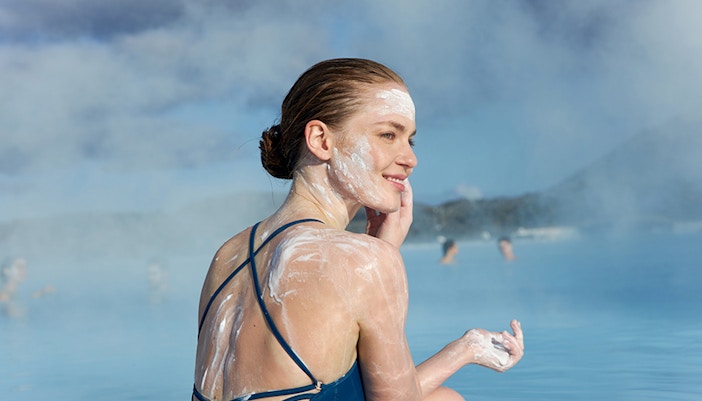
Some tours pair snorkeling with relaxing stops at geothermal lagoons for a full Icelandic water adventure.
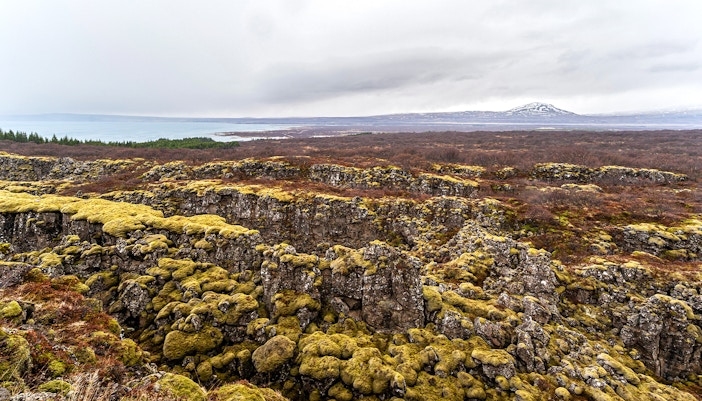
Photograph the dramatic volcanic landscape
Moss-covered lava fields, rift valleys, and glacial water make the park one of Iceland’s most photogenic natural sites.
History & geology of Thingvellir National Park
Thingvellir National Park holds a special place in Icelandic history. In 930 AD, Iceland’s early settlers established the Alþingi (Althing) here, widely considered the world’s oldest surviving parliament.
Chieftains from across the island gathered annually at Thingvellir to debate laws, settle disputes, and make national decisions. The assembly continued at this site for nearly 800 years, making the area both a political and cultural center of medieval Iceland.
Today, landmarks such as Lögberg (Law Rock) and the surrounding assembly fields mark the sites of these historic gatherings.
Thingvellir sits directly on the Mid-Atlantic Ridge, where the North American and Eurasian tectonic plates are slowly pulling apart at a rate of about 2 centimeters per year. This constant movement has created the park’s striking landscape of rift valleys, lava fields, and deep fissures.
One of the most famous formations is the Silfra fissure, a water-filled crack formed by earthquakes and tectonic plate motion. Over time, glacial meltwater from nearby glaciers filtered through porous volcanic rock, filling the fissure with exceptionally clear water that today makes Silfra one of the most unique snorkeling and diving sites in the world.
Plan your visit
- Opening hours: The park’s visitor facilities generally operate daily from 9am to 6pm between April and October, while winter hours (November through March) run from 9am to 5pm.
- Weekday vs. weekend visits: Visiting Monday through Thursday usually means lighter crowds, smaller tour groups, and easier parking, particularly at the P5 parking area. Weekends tend to attract more visitors, especially during the warmer months, so spots can fill quickly.
- Peak season vs. low season: The summer months (June–August) are the busiest time of year, thanks to extended daylight hours and relatively mild temperatures. While conditions are excellent for exploring, tours and activities often sell out quickly during this period. During winter (November–March), the park transforms into a peaceful, snow-covered landscape, creating a striking setting for visitors.
- Getting there by public transport: There is no direct public bus service to the Silfra Car Park (P5). During certain seasons, buses operate from Reykjavík to Thingvellir National Park, but travelers must arrange additional transport from the main park stop to Silfra. The area is not served by trains or metro lines, so if you’re not booked on a guided tour that includes transfers, driving yourself is usually the easiest way to reach Silfra.
- Getting there by car: From Reykjavík, take Route 36 (Þingvallavegur) toward Thingvellir National Park. The drive typically takes around 45–50 mins, depending on traffic and weather conditions. Once inside the park, follow the signs directing you to “Silfra” or parking area “P5.”
- Parking information: You can park at Silfra Car Park (P5), where paid parking is required. From the parking area, it’s about a 400-meter walk to the Silfra meeting point.

- Accessible viewpoints: Key viewpoints such as Almannagjá Gorge and the Öxarárfoss can be reached via maintained walking paths, though some surfaces may be uneven gravel.
- Visitor Center access: The Thingvellir Visitor Center is generally accessible, with ramps and facilities designed to accommodate visitors with limited mobility.
- Designated parking: Several accessible parking spaces are available near the visitor center and main viewpoints, reducing walking distance to major sights.
- Trail conditions: While many main paths are well maintained, not all trails are wheelchair-friendly due to rocky terrain, slopes, and natural surfaces typical of the park.
- Restroom facilities: Accessible restrooms are available at the visitor center and some main parking areas.
- Guided tour considerations: Activities such as snorkeling in Silfra Fissure require mobility and the ability to enter the water with specialized gear, so they are not suitable for wheelchair users or guests with significant mobility limitations.
- Seasonal accessibility: In winter months, snow and ice may make trails slippery and reduce accessibility in certain areas.

- Visitor center: The Thingvellir Visitor Center offers exhibits about the park’s history, geology, and wildlife.
- Restrooms: Public toilets are available near the visitor center and major parking areas.
- Parking areas: Multiple parking lots are located around the park, including the Silfra Car Park (P5) used for Silfra snorkeling tours.
- Walking trails: Well-marked paths connect key landmarks such as Almannagjá Gorge and Öxarárfoss.
- Information boards: Educational panels throughout the park explain geological formations, historical events, and important landmarks.
- Picnic areas: Designated spots allow you to relax and enjoy the landscape responsibly.
- Guided tour services: Many operators offer activities like snorkeling in Silfra or guided walks that help you explore the park safely and learn about its significance.
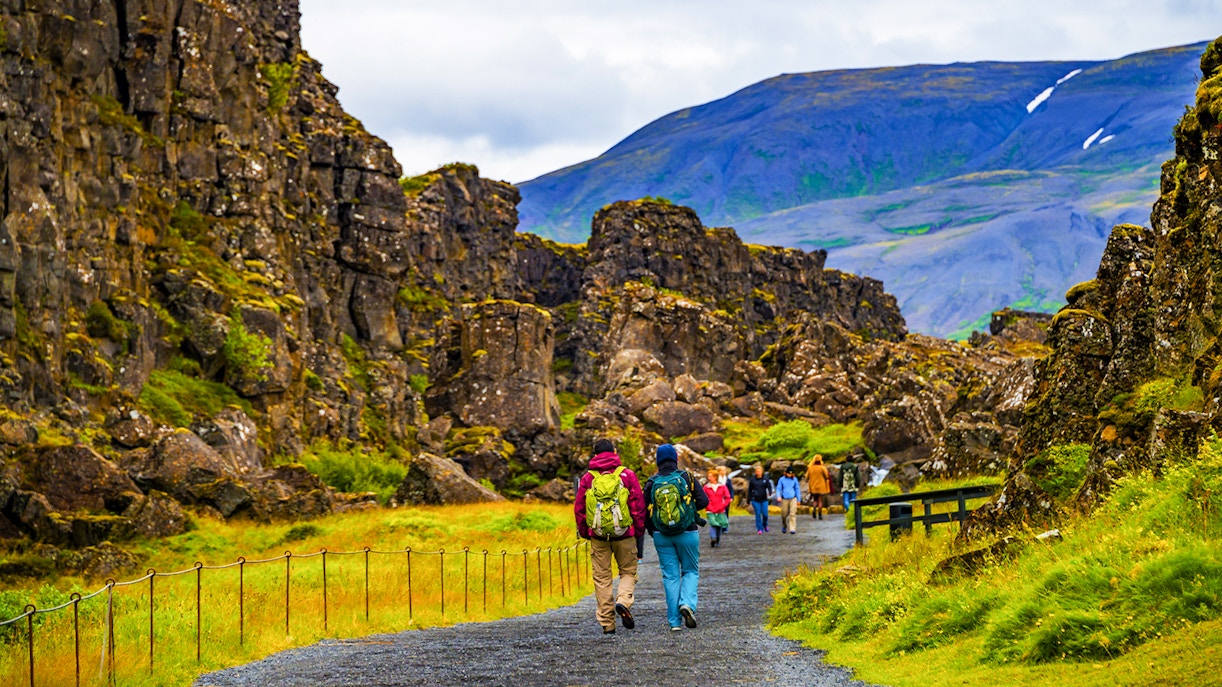
- Stay on marked paths: Protect fragile volcanic terrain and moss by walking only on designated trails.
- Do not disturb nature: Plants, rocks, and historical features should not be removed or damaged.
- Respect wildlife: Observe animals and birds from a distance and avoid feeding them.
- Swimming restrictions: Swimming is generally not allowed in lakes or rivers except in designated areas, such as guided tours at Silfra Fissure.
- Drone regulations: Drone use may be restricted in some areas; you should check park guidelines before flying one.
- Camping rules: Overnight stays are permitted only at designated campsites within the park.
- Leave no trace: All trash must be taken to proper disposal points to keep the park clean.
- Follow safety guidance: Weather can change quickly in Iceland, so you should follow safety signs and ranger instructions.
Visitor tips
- Arrive early or late in the day: Thingvellir is a major stop on Iceland’s Golden Circle, so visiting early morning or late afternoon helps avoid the busiest tour groups.
- Wear sturdy footwear: Trails can include gravel, uneven ground, and volcanic rock, so comfortable walking shoes with good grip are recommended.
- Dress for changing weather: Iceland’s weather shifts quickly, even in summer. Layered clothing, a waterproof jacket, and wind protection will keep you comfortable.
- Bring water and snacks: While there are basic facilities near the Thingvellir Visitor Center, food options inside the park are limited.
- Plan parking ahead: Popular areas like the Silfra Car Park (P5) and main viewpoints can fill quickly in peak season, so allow extra time for parking.
- Book activities in advance: Experiences such as snorkeling in Silfra Fissure are popular and often sell out, especially during summer.
- Carry a fully charged phone or camera: The dramatic rift valleys, waterfalls, and lake views make Thingvellir one of Iceland’s most photogenic landscapes.
Thingvellir National Park | An UNESCO World Heritage Centre
Thingvellir National Park was inscribed as a UNESCO World Heritage Site in 2004, recognizing both its cultural significance and its remarkable geological setting.
Historically, Thingvellir is known as the birthplace of Iceland’s national parliament, the Althing, which was established in 930 AD. For nearly nine centuries, leaders from across the country gathered here each summer to create laws, settle disputes, and make decisions that shaped Icelandic society.
Because of its cultural and environmental importance, the park is carefully protected through strong conservation efforts. Authorities maintain marked walking trails, designated parking areas, and educational information points to minimize environmental impact while allowing you to explore the area responsibly. Fragile moss-covered lava fields and delicate ecosystems are closely monitored, and visitors are encouraged to stay on established paths to help preserve the landscape.
Conservation efforts also focus on protecting the park’s freshwater systems and archaeological remains. The groundwater that feeds Silfra and nearby lakes is carefully safeguarded to maintain its exceptional clarity and ecological balance. At the same time, historical remains connected to the ancient parliament are preserved and studied to ensure their cultural value is maintained for future generations.
Frequently asked questions about Thingvellir National Park
Yes. You can snorkel or dive in Silfra Fissure, one of the few places in the world where you can swim between two tectonic plates.
Thingvellir is known for its unique geology and historical significance. It sits on the Mid-Atlantic Ridge, where the North American and Eurasian tectonic plates meet, and it is also the site of Iceland’s historic parliament, the Althing, founded in 930 AD.
Yes. The park was designated a UNESCO World Heritage Site in 2004 due to its cultural importance and preserved historic landscape connected to the early Icelandic parliament.
Popular places include Almannagjá Gorge, Öxarárfoss, Lake Thingvallavatn, and the crystal-clear waters of Silfra Fissure.
Most visitors spend 1.5 to 3 hours exploring the main viewpoints, hiking trails, and waterfalls. If you plan to join activities like Silfra snorkeling, you may want to allow 3–5 hours or more.
There is no entrance fee to visit the park itself, but parking fees apply at designated parking areas.
The park can be visited year-round. Summer offers long daylight hours and easier hiking conditions, while winter provides snowy landscapes and fewer crowds.
Yes. Thingvellir is one of the three main stops on Iceland’s Golden Circle, along with Geysir Geothermal Area and Gullfoss Waterfall.
You will find parking areas, restrooms, walking trails, information boards, and a visitor center inside the park. Guided tours and activities also operate in designated areas.