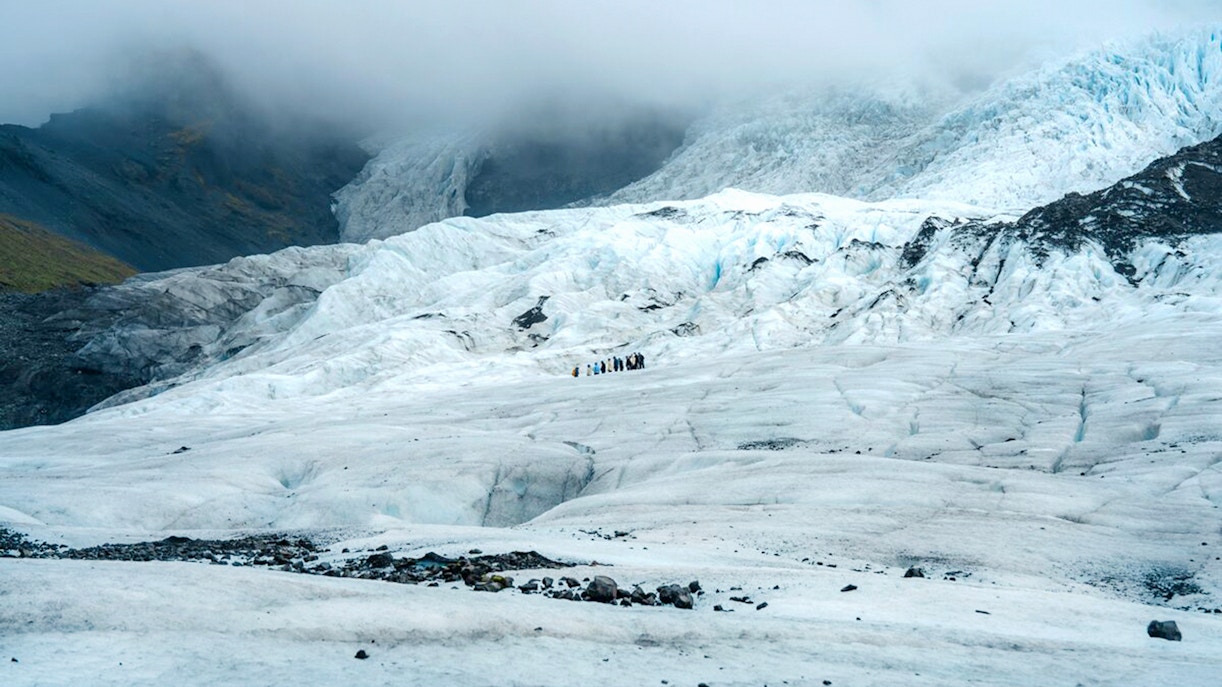
Falljokull is a glacier tongue that flows from Iceland’s larger Vatnajokull ice cap, stretching down toward the lowlands in the southeast. It’s a natural ice formation shaped by centuries of snowfall and slow-moving ice flow, creating a dramatic landscape of crevasses, ridges, and deep blue ice. Unlike the more famous glacier outlets, Falljokull is quieter and less crowded, making it a striking example of how glaciers carve and reshape Iceland’s terrain over time.
Explore Falljokull in Iceland’s Southeast: Highlights, visitor’s guide & more
What is Falljokull Glacier?
Plan your visit to Falljokull Glacier
Opening hours
Falljokull is a natural glacier site with no fixed opening hours, as access depends on guided tours and weather conditions. Tours typically run year-round, but availability varies by season and daylight. Some operators may pause tours during severe weather or unsafe glacier conditions.
- Closed: Independent access is not allowed; tours may be canceled for safety.
Best time to visit
- The best time to visit Falljokull is late spring to early autumn when daylight is longest and weather is milder.
- Winter offers dramatic ice scenery but shorter daylight and colder conditions.
- Weekdays tend to be less crowded, and early mornings often provide clearer skies and calmer winds.
- Best time of day: Morning departures for better visibility (8am to 11am).
Location
- Falljokull sits in southeast Iceland, flowing from the Vatnajokull ice cap toward the lowlands near the Jokulsarlon glacier lagoon region.
- The glacier is commonly accessed from nearby towns such as Hofn and Skaftafell, with tours often departing from the Ring Road (Route 1).
Best ways to explore Falljokull Glacier
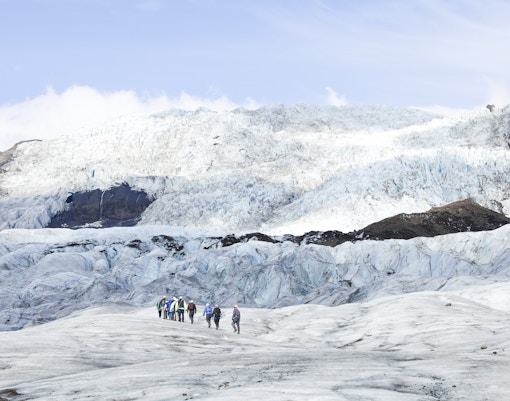
Glacier walks & ice exploration
Difficulty level: Moderate
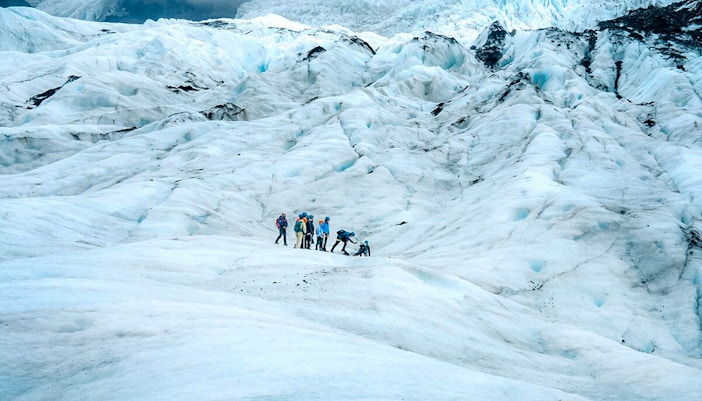
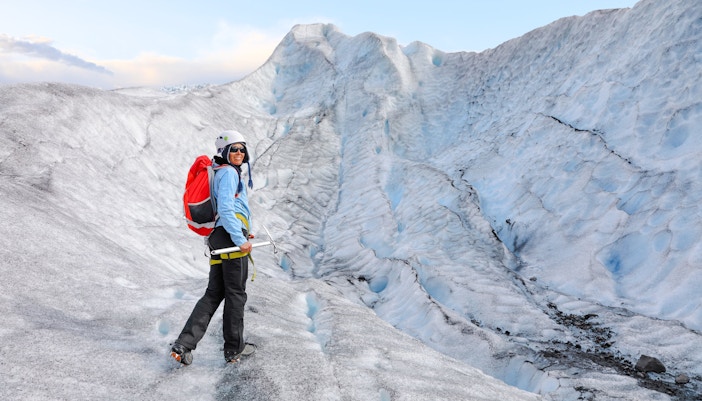
Explore Falljokull’s surface on a guided glacier walk, stepping across packed ice, crevasse edges, and ridged formations. This activity is ideal for adventure travelers and nature lovers who want a close-up glacier experience without technical climbing. Tours typically last 2–3 hours and include crampons, helmets, and expert guidance. Wear warm layers and sturdy boots.
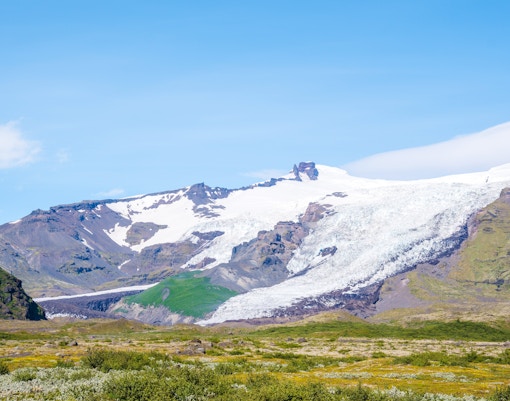
Photography & scenic viewing
Difficulty level: Easy
For a low-effort, high-reward visit, take a short scenic stop near the glacier edge for panoramic views of the ice tongue and surrounding mountains. This is perfect for families, couples, and casual travelers. The terrain is usually accessible with minimal walking, but weather can be windy and cold, so dress warmly.
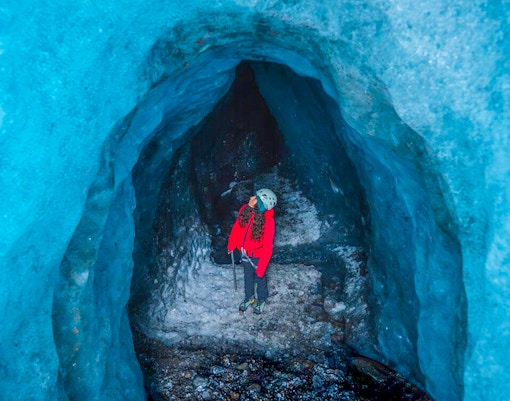
Ice caving (Seasonal)
Difficulty level: Strenuous
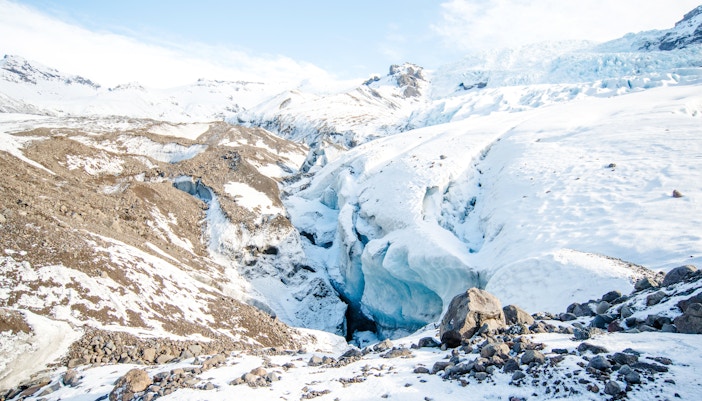
In certain seasons, ice caves can form near Falljokull’s base, offering a dramatic underground experience. These require advanced tours and careful safety protocols, as caves change rapidly and access depends on conditions. Expect a more intense adventure with guided entry, helmets, and crampons.
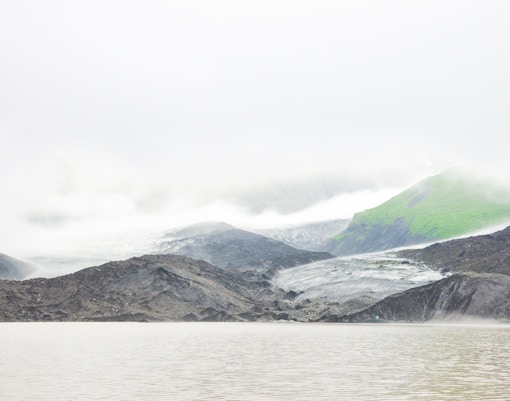
Nearby glacier lagoon excursions
Difficulty level: Easy to moderate
Combine your Falljokull visit with a trip to nearby glacier lagoons and black sand beaches, where floating icebergs and dramatic coastlines create unforgettable scenery. Activities range from easy strolls to boat rides (where available) and are great for families and photographers.
What to see at Falljokull Glacier?
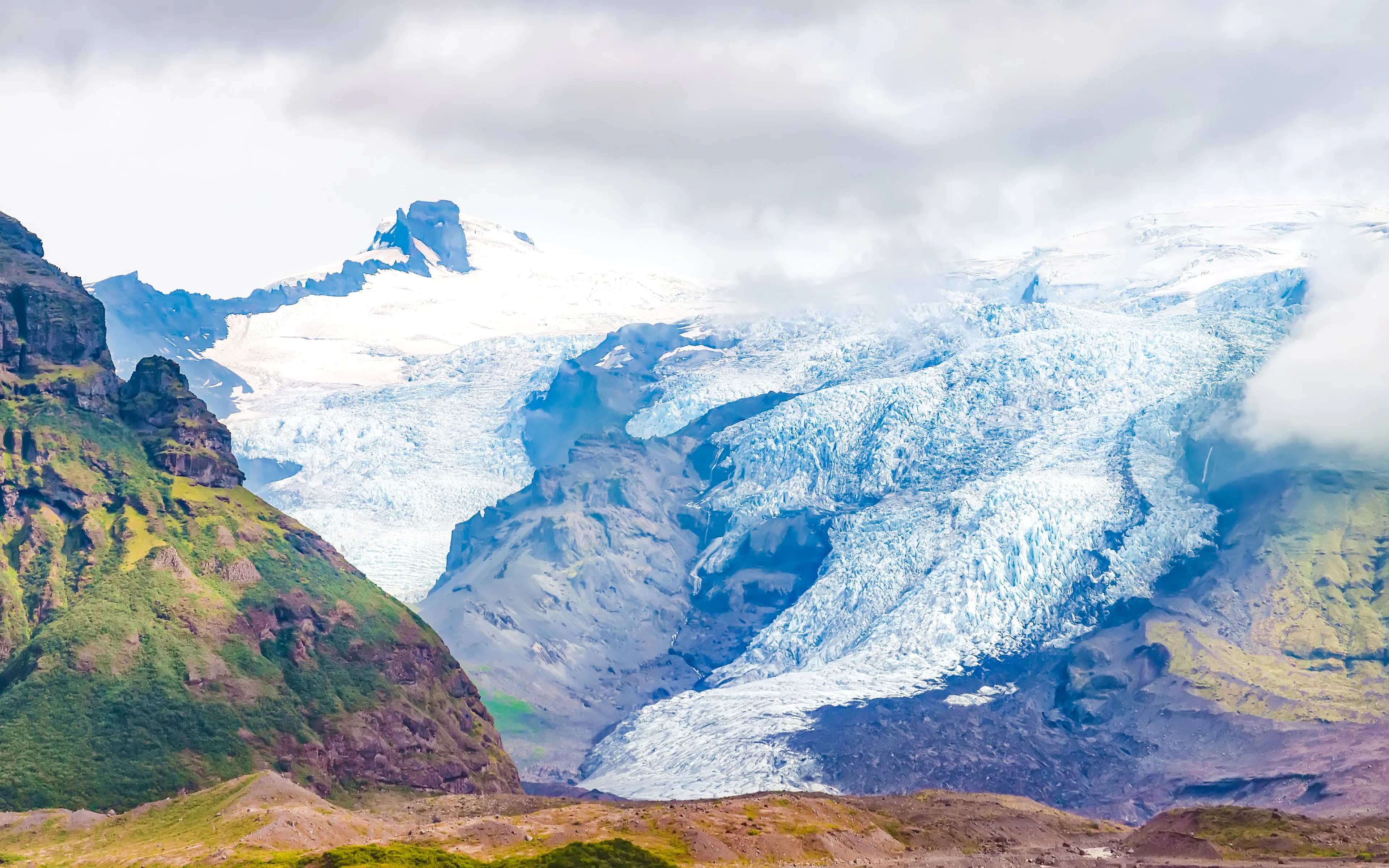
1/5
Falljokull Glacier tongue
A wide, textured ice tongue extending from Vatnajokull, with visible ridges and crevasse patterns. Its layered blue and white ice makes for dramatic wide-angle shots, especially in soft morning light.
Glacier edge viewpoint
A vantage point near the glacier terminus where ice meets rocky moraine. The contrast between jagged ice and dark volcanic rock creates a stark, cinematic landscape, best seen at sunrise or sunset.
Ice ridges & crevasse lines
Close-up views of deep crevasses and sharp ice ridges on the glacier surface. These patterns form naturally as the glacier flows, offering striking geometric textures and shadow play.
Surrounding mountain backdrop
The surrounding peaks frame Falljokull with dramatic elevation contrast, especially when capped with snow. The mountain backdrop enhances scale and depth, ideal for panoramic photography.
Moraine and outwash plains
Near the glacier’s edge, dark moraine and gravel plains stretch outward, showing the glacier’s movement over time. The mix of ice, rock, and sparse vegetation creates a raw, otherworldly scene.
Tips for visiting Falljokull Glacier
- Dress in layers and wear waterproof outerwear; the glacier wind can be unexpectedly strong.
- Wear sturdy hiking boots with ankle support, ice and rocky terrain can be slippery.
- Book guided glacier walks in advance, especially for morning departures when light is best.
- Choose tours with crampons and helmets included for safer, more comfortable exploration.
- Visit on weekdays to avoid crowds and enjoy clearer viewpoints.
- Bring snacks and water, as nearby facilities are limited; plan for a longer day if combining with nearby sights.
Frequently asked questions about Falljokull Glacier
Falljokull is known for its dramatic glacier tongue extending from Vatnajokull, with visible crevasses and ice ridges that reveal the glacier’s slow movement and changing landscape.
Late spring to early autumn is best for longer daylight and milder weather. Winter offers striking ice views but colder temperatures and shorter daylight.
Pack warm layers, waterproof outerwear, gloves, a hat, and sturdy hiking boots. Sunglasses are useful for glare, and a camera is a must for dramatic glacier shots.
No. The glacier terrain is uneven and icy, making it unsuitable for wheelchairs or mobility aids without specialized support.
Must-do activities include guided glacier walks, scenic viewpoint stops, and combining the visit with nearby glacier lagoons or coastal ice beaches for a full-day experience.
Falljokull is accessed from the southeast Iceland Ring Road (Route 1). Tours usually depart from nearby towns like Hofn or Skaftafell, with transport included in many guided options.
Yes. Independent glacier access is not permitted due to safety risks like crevasses and unstable ice. All visits must be part of a certified guided tour.
Yes, families can visit via guided tours. Choose a beginner-friendly glacier walk and check age requirements, as some tours may have minimum age limits.
