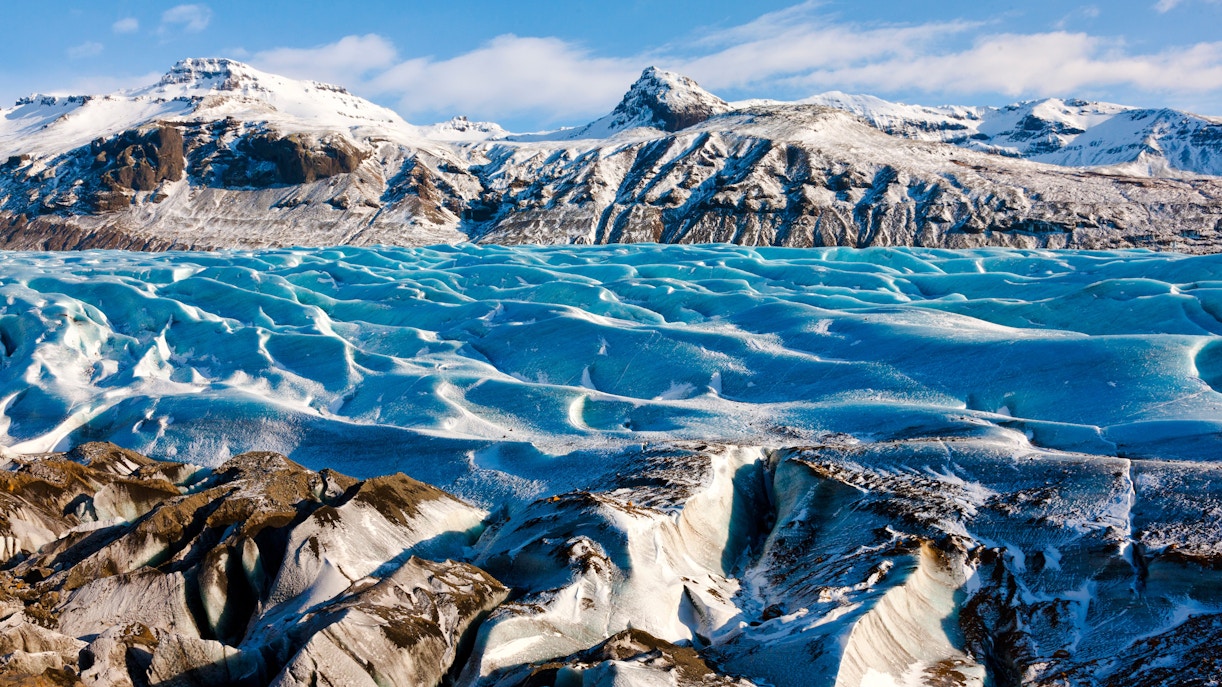
Skaftafell Glacier is an outlet glacier of Vatnajokull, Europe’s largest ice cap, located within Vatnajokull National Park on Iceland’s South Coast. Shaped by centuries of slow ice movement, it features crevasses, ridges, and striking blue ice exposed by seasonal melting. The glacier flows down from the high icefields into a landscape of black volcanic ash, green moss, and rocky moraines, creating sharp contrasts in color and texture. Known for its relatively gentle access and well-defined terrain, Skaftafell Glacier is a key base for guided glacier hikes, ice climbing, and winter ice cave exploration, offering visitors a close, tactile encounter with Iceland’s glacial environment.
Explore Skaftafell Glacier in Skaftafell: Visitor’s guide & highlights
What is Skaftafell Glacier?
Plan your visit to Skaftafell Glacier
Opening hours
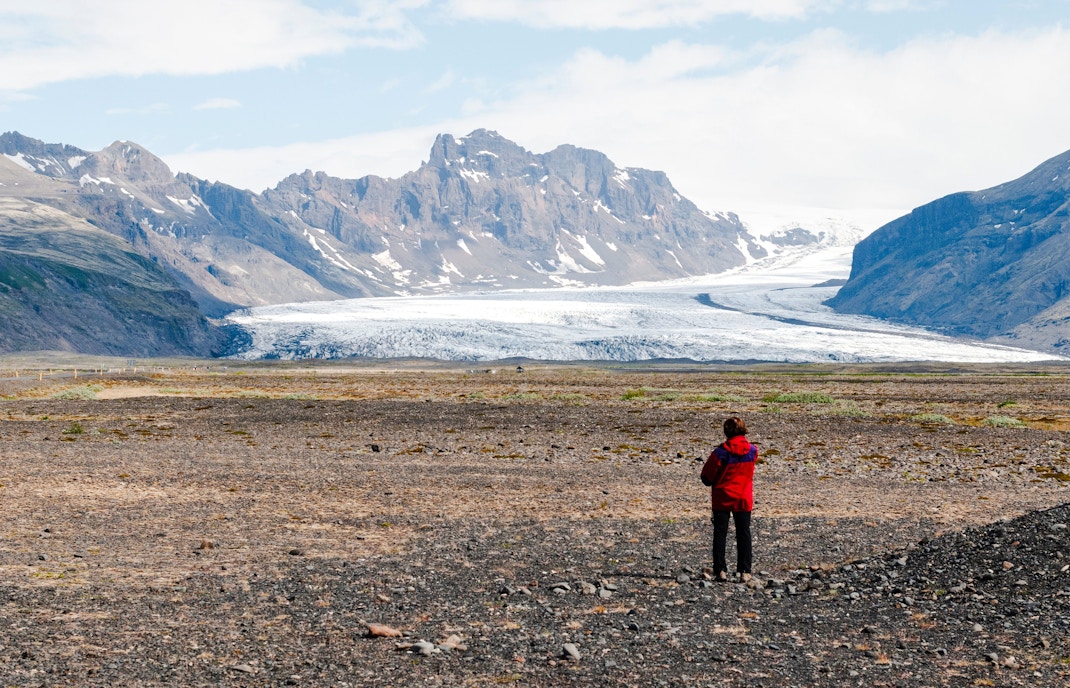
Skaftafell Glacier itself is accessible year-round, but conditions vary by season. Hiking trails are open daily, weather permitting. Guided glacier activities typically run 9am to 5pm, with seasonal variations. Winter access may be limited due to snow, ice, or storms.
- Closed: No fixed closures; access may pause during extreme weather.
Best time to visit
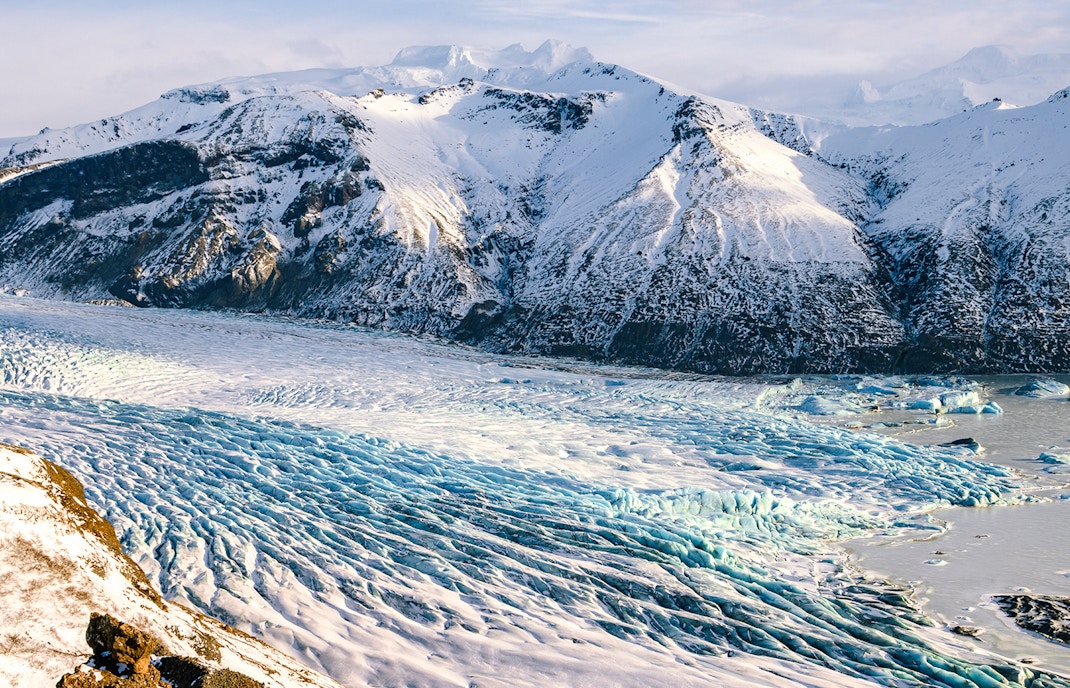
- June to August offers milder weather, long daylight hours, and easier access, though it’s busier.
- September to March is quieter and ideal for ice caves and winter scenery.
- Best days: Weekdays
- Best time: 7–9am or after 4pm for fewer crowds and softer light.
Location
- Skaftafell Glacier is located within Vatnajokull National Park on Iceland’s South Coast, just off the Ring Road (Route 1).
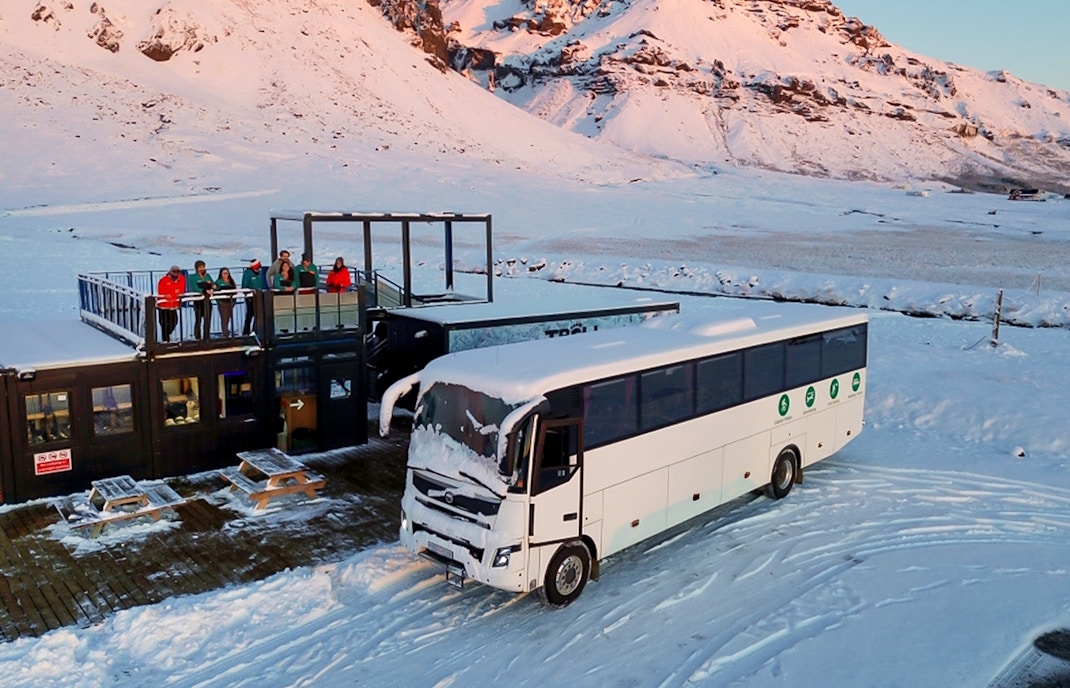
- It’s near landmarks like Svartifoss waterfall and Skaftafell Visitor Centre. Best reached by car; limited bus services operate seasonally.
What to do at Skaftafell Glacier
Glacier hiking
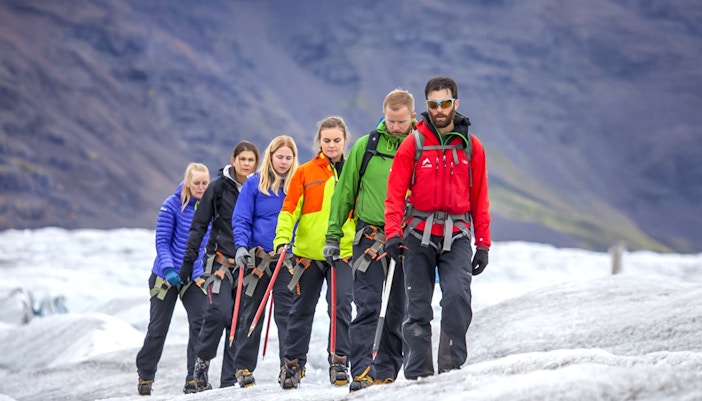
Walk across ancient ice on a guided glacier hike designed for beginners and intermediate explorers. Expect a steady-paced trek over crevasses, ice ridges, and textured blue ice, with frequent stops to learn about glacial movement. Tours usually last 2–4 hours and include helmets, crampons, and ice axes. A great choice for first-time glacier visitors looking for safe, hands-on exploration.
Ice cave exploration
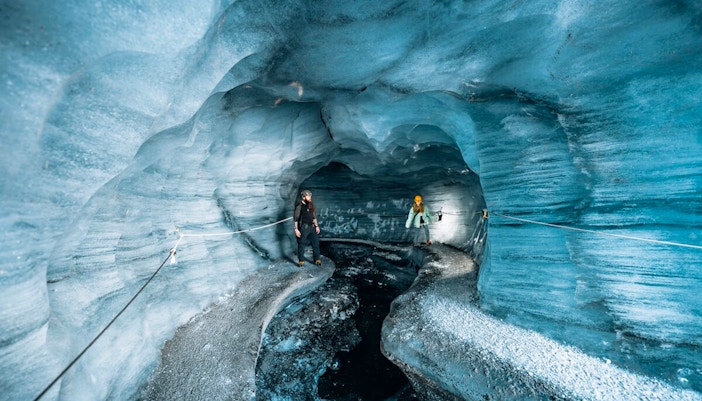
Step inside naturally formed blue ice caves during winter, where light filters through sculpted ice walls and frozen tunnels. This experience is moderately active, involving short walks and uneven surfaces, and typically lasts 3–5 hours including glacier access. All safety gear is provided. Ideal for photographers and travelers seeking a rare, seasonal experience beneath Vatnajokull.
Ice climbing
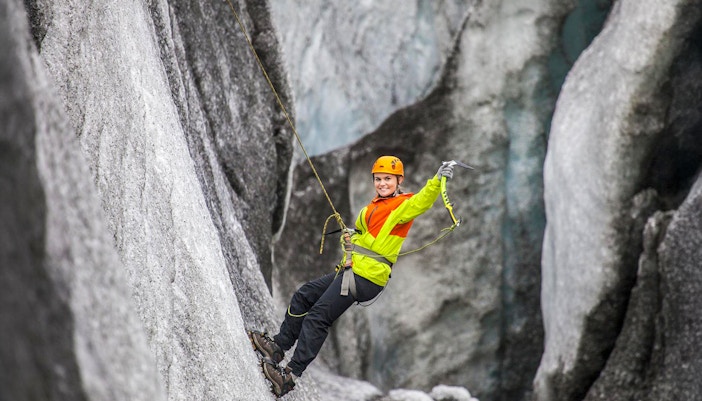
Test your skills on vertical ice walls with an expert guide in Skaftafell’s controlled climbing areas. Suitable for adventurous beginners, ice climbing sessions focus on technique, safety, and confidence rather than speed. Expect 3–4 hours on the glacier with full climbing gear provided. A rewarding option for travelers wanting a more physical challenge and a deeper connection with the glacier.
Advanced glacier expeditions
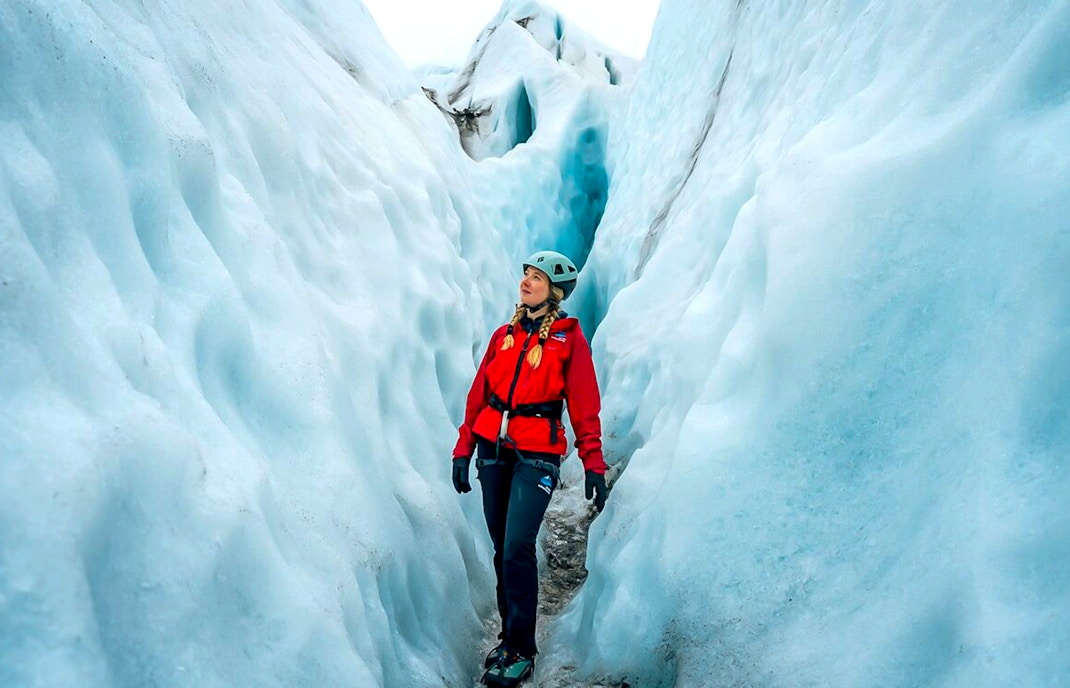
Join a longer, more demanding expedition for experienced hikers ready to explore remote glacier terrain. These tours cover deeper crevasse zones, ridgelines, and less-traveled sections of Vatnajokull over 5–7 hours. A higher fitness level is required, and all technical gear is included. Best for seasoned adventurers seeking an immersive, off-the-beaten-path glacier experience.
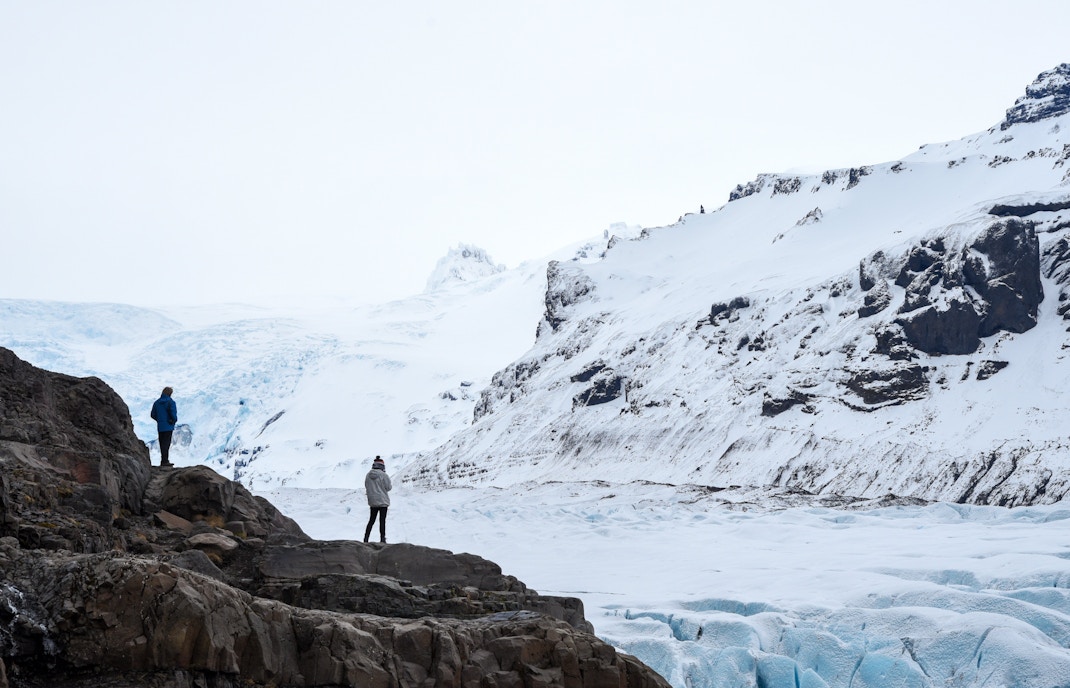
Glacier viewpoints & short walks
For a lighter experience, follow marked trails near Skaftafell to viewpoints overlooking the glacier tongue. These easy to moderate walks take 30–90 minutes and require no special gear beyond sturdy shoes. Ideal for families, photographers, and travelers short on time who want dramatic glacier views without venturing onto the ice.
What to see at Skaftafell Glacier

Skaftafell glacier tongue
The glacier tongue stretches down from Vatnajokull into a stark volcanic valley, marked by deep crevasses and layered ice. Its shifting textures and blue-white tones make it especially striking in early morning light.
Tips for visiting Skaftafell Glacier
- Dress in waterproof layers, thermal basewear, and sturdy hiking boots; glacier tours provide safety gear, but warmth and grip are essential year-round.
- Reserve glacier hikes and ice cave tours early, especially for small-group or advanced expeditions with limited daily slots.
- Morning departures (7–9am) offer firmer ice, clearer visibility, and better conditions for hiking and ice climbing.
- Choose activity levels carefully, beginner hikes suit first-timers, while ice climbing and advanced expeditions require strong fitness.
- Never enter ice caves or walk onto the glacier independently; conditions change daily and guided access is mandatory for safety.
Frequently asked questions about Skaftafell Glacier
Skaftafell Glacier is best known for guided glacier hikes that begin inside Skaftafell Nature Reserve, offering direct access to crevasses, ice ridges, and sweeping Vatnajokull views. It’s one of Iceland’s most accessible glaciers for on-foot exploration.
Skaftafell offers small-group glacier hikes, blue ice cave tours, ice climbing experiences, and advanced glacier expeditions. Options range from easy introductory walks to technical climbs and full-day adventures led by certified glacier guides.
Yes. Beginner-friendly glacier hikes are specifically designed for first-timers and include all safety gear, basic ice-walking instruction, and a moderate pace. These tours focus on safe crevasse navigation and ice formations without requiring prior experience.
Blue ice caves near Skaftafell are accessible only in winter, typically from November to March, depending on ice stability. Tours are weather-dependent and operate only when conditions are safe, making advance booking essential during peak winter months.
Difficulty varies by tour. Easy glacier hikes suit most fitness levels, while ice climbing and advanced expeditions require good stamina and confidence on uneven terrain. Tour descriptions clearly indicate intensity, duration, and suitability before booking.
Most Skaftafell glacier tours start at a nearby meeting point within or close to the national park, followed by a short hike to the ice. This walk-in access is unique to Skaftafell and avoids long vehicle transfers onto the glacier.
Wear waterproof hiking boots with ankle support, warm layers, and a weatherproof jacket. Helmets, crampons, and technical gear are provided on tours. For ice climbing or winter cave tours, insulated gloves are strongly recommended.
You can walk marked trails to viewpoints near the glacier tongue, but stepping onto the ice without a certified guide is unsafe and not recommended. Crevasses and changing ice conditions make guided tours essential for glacier access.


