One of the South Coast’s most distinctive waterfalls, featuring a footpath that allows you to walk behind the cascade for close-up views and photos, best visited earlier in the day to avoid crowds.
Plan your visit to Iceland’s South Coast
The Iceland South Coast is one of the country’s most scenic regions, known for waterfalls, glaciers, black-sand beaches, and volcanic landscapes. Most visitors explore it as a long day trip from Reykjavik or as part of a multi-day Ring Road journey. Plan your route in advance to be able to tackle the attractions here that are spread out along the region.
Travel logistics
The South Coast follows Iceland’s Ring Road, starting east of Reykjavik and stretching past Vík toward Skaftafell and glacier lagoons. Guided tours are the easiest option for first-time visitors, while self-driving allows flexibility but requires weather awareness. Distances between major stops are manageable, but frequent sightseeing can make the day longer than expected. Start early and prioritize west-to-east stops to avoid backtracking.
Plan your day
- Quick visit (2–3 hrs): Seljalandsfoss, Skógafoss, and short coastal stop.
- Half day (4–5 hrs): Waterfalls and Reynisfjara black-sand beach.
- Full day (6+ hrs): Waterfalls, Vík, glacier stop, and optional ice cave or glacier hike.
Handy tips
- Tickets: Ice caves and glacier hikes require guided tours booked in advance.
- Best times: Start before 8am. The late afternoon light is best for waterfalls.
- Rules: Stay off fragile moss and obey beach warning signs.
- Pro tip: Plan fuel and food stops in Vík or Skaftafell.
- Respect: Always face the ocean and keep a safe distance at Iceland’s black-sand beaches, as sudden “sneaker waves” can surge far up the shore and pull people into the sea without warning.
Before booking, consider what type of South Coast experience fits your travel style:
- Guided vs. self-drive: Guided tours simplify logistics and weather planning, while self-driving offers flexibility but requires confidence in Icelandic road conditions.
- Tour length: Day trips cover highlights up to Vík, while longer tours reach glaciers and lagoons.
- Inclusions: Some tours bundle glacier hikes or ice cave visits; others focus on sightseeing only.
- Group size: Small-group tours allow more time at stops compared to large buses.
- Seasonality: Winter tours adjust routes based on daylight and road conditions.
Top sights in the Iceland South Coast
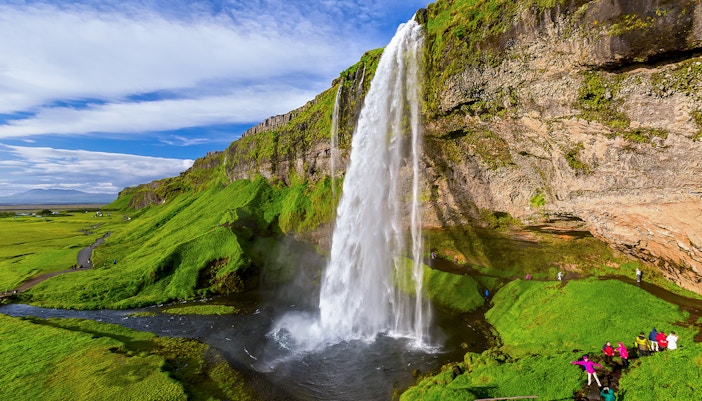
Seljalandsfoss
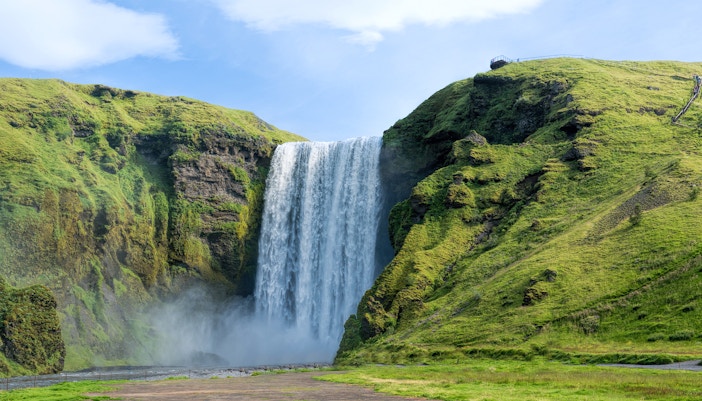
Skógafoss
A broad, powerful waterfall fed by glacial rivers, with a stairway beside it leading to elevated viewpoints and access to longer hiking routes along the Skógá River.
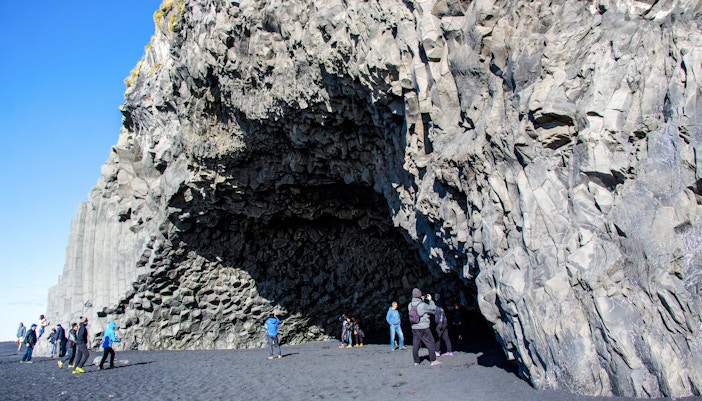
Reynisfjara black-sand beach
A dramatic coastal site known for basalt columns and offshore sea stacks, where powerful Atlantic waves make it visually striking but require constant awareness and caution.
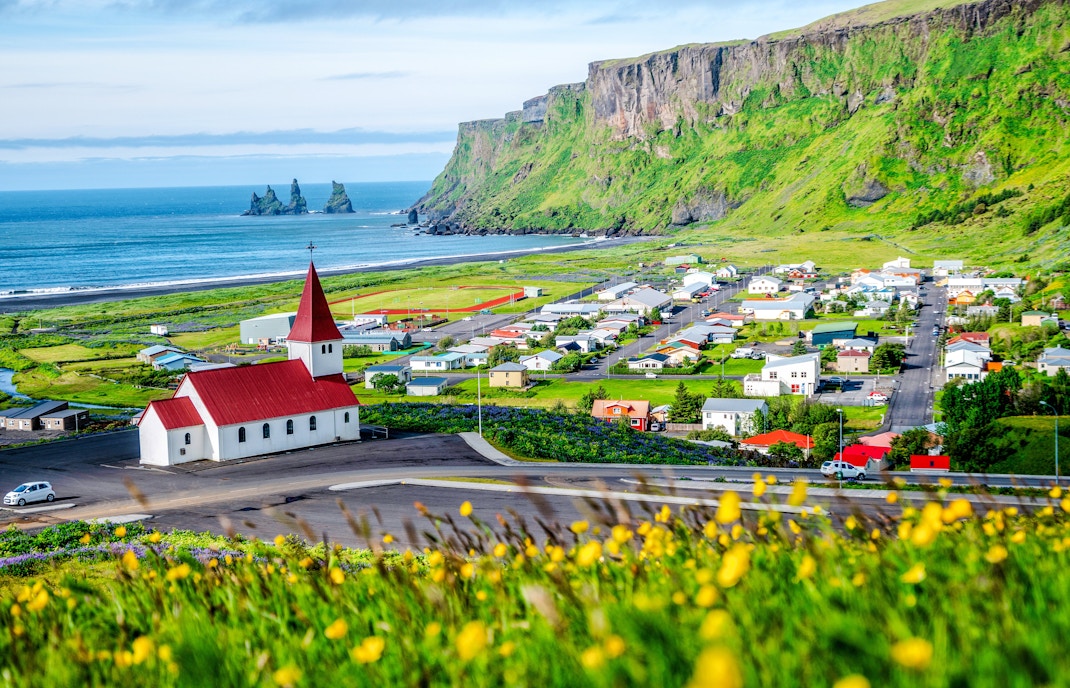
Vík village
The main stopping point along the South Coast, offering fuel, restaurants, accommodation, and serving as the base for Katla ice cave and glacier tours.
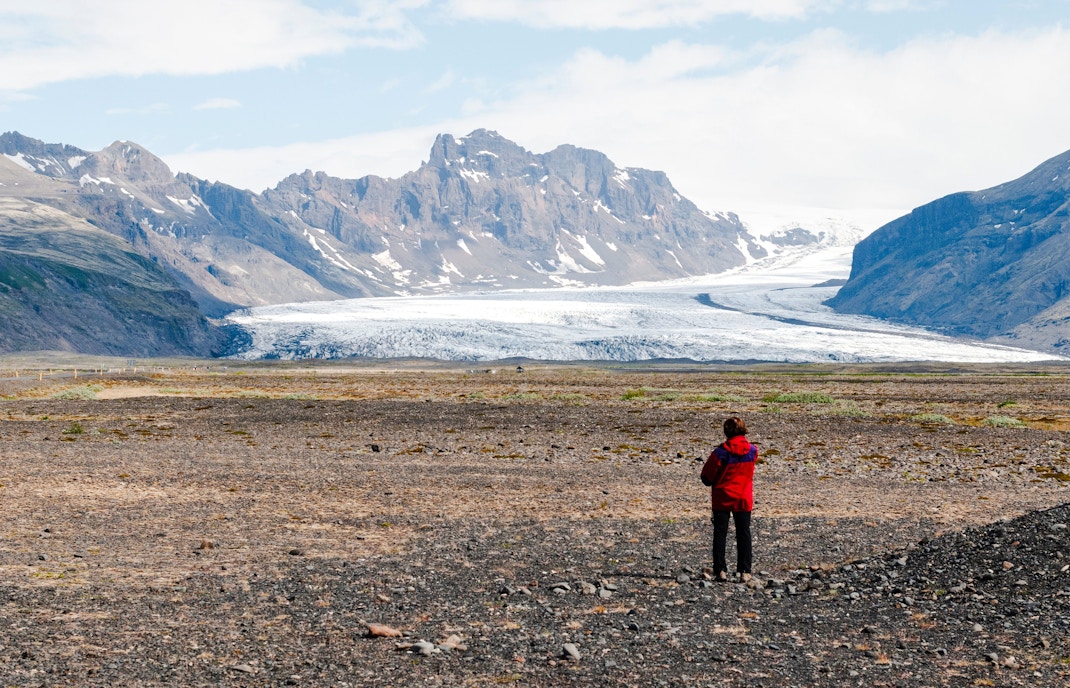
Skaftafell and glacier lagoons
A key area within Vatnajökull National Park, combining well-marked hiking trails, accessible glacier tongues, and nearby lagoon viewpoints that suit longer or multi-day itineraries.
Getting to the Icelandic South Coast
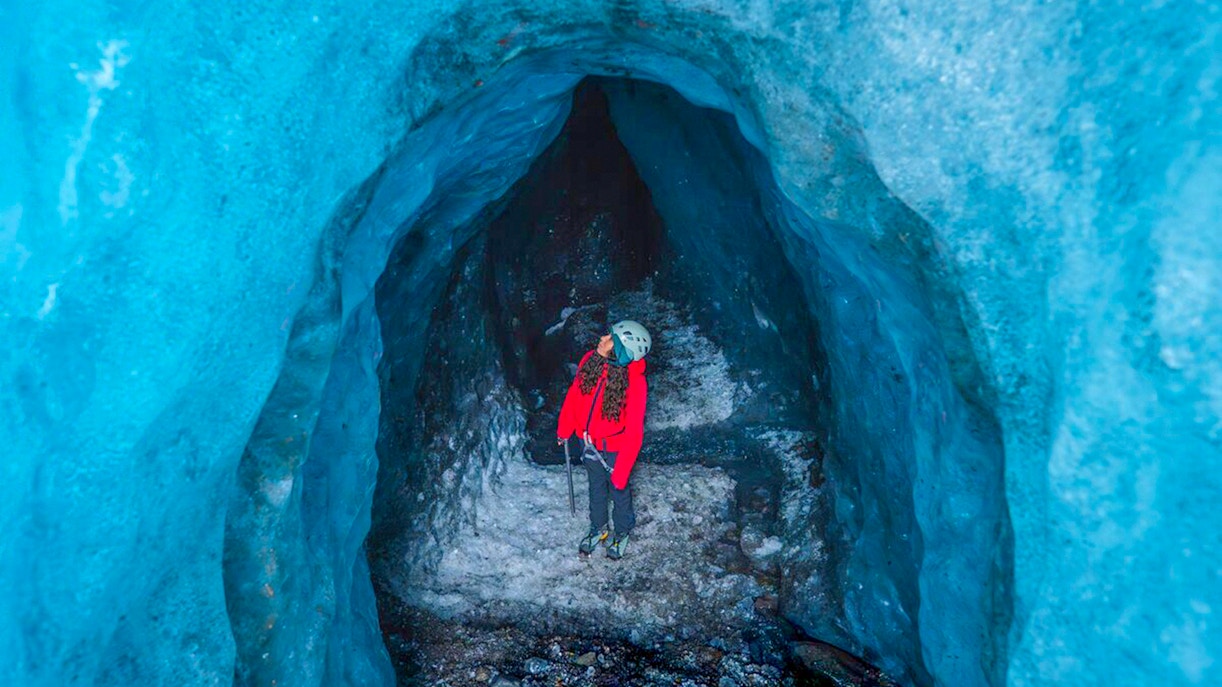
The easiest way to see multiple South Coast highlights without driving.
- Time: 10–14 hrs round trip
- Cost: €€–€€€
- Pros: No driving, expert guides
- Cons: Fixed schedule
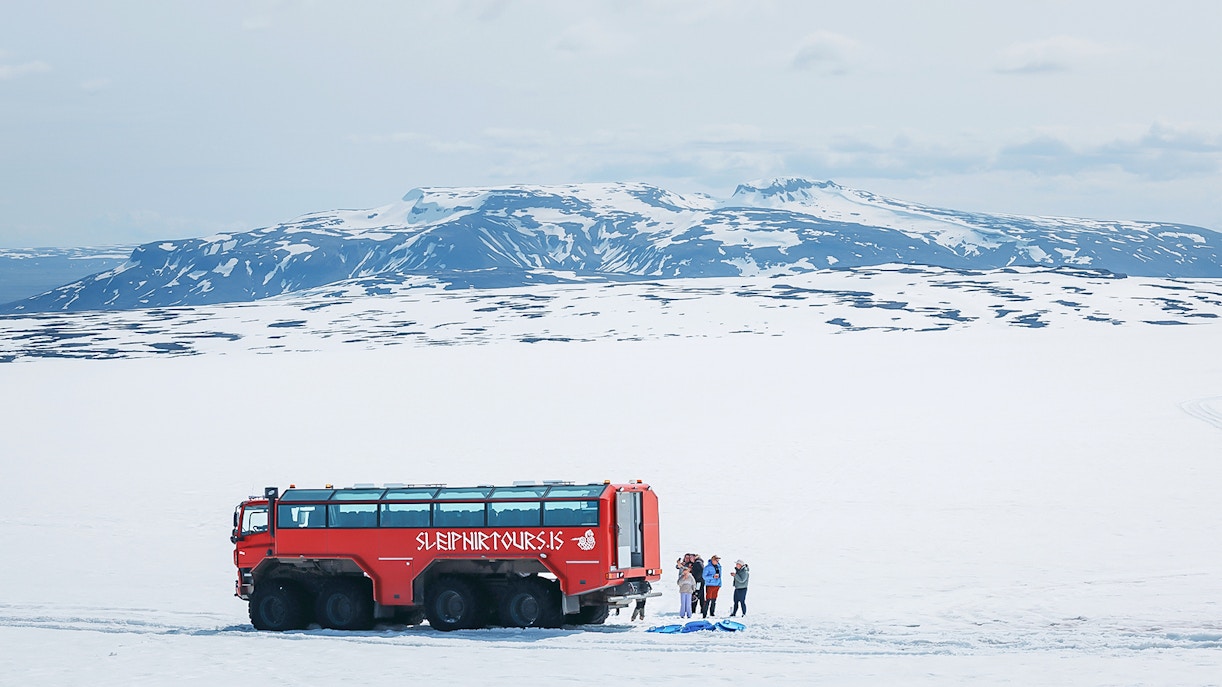
Driving Route 1 gives full control over stops and timing.
- Time: 2–5 hrs one way
- Cost: Rental + fuel
- Best for: Flexible itineraries
- Cons: Weather and road conditions
How to get around the Iceland South Coast
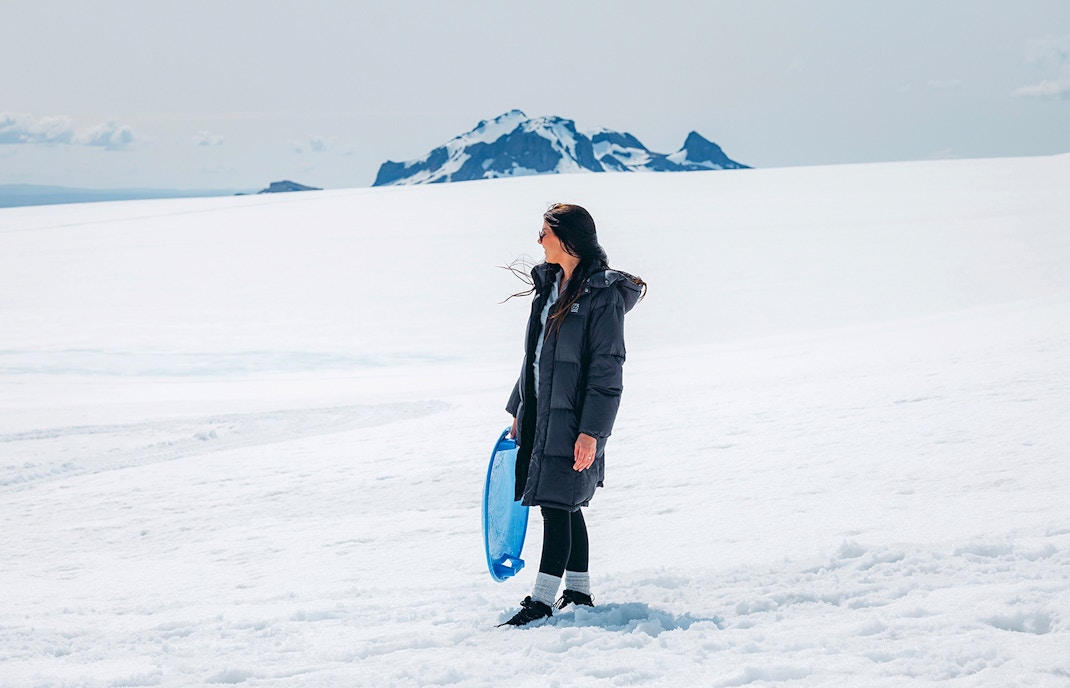
Walking
Short walks connect viewpoints and trails at each stop.
- Time: 5–30 mins per site
- Cost: Free
- Cons: Exposed to wind and rain

Car
Essential for visiting multiple locations efficiently.
- Time: Flexible
- Cost: Fuel + parking
- Pros: Full route control
- Cons: Limited winter daylight
More things to do on the South Coast (if you have the time)
1/4
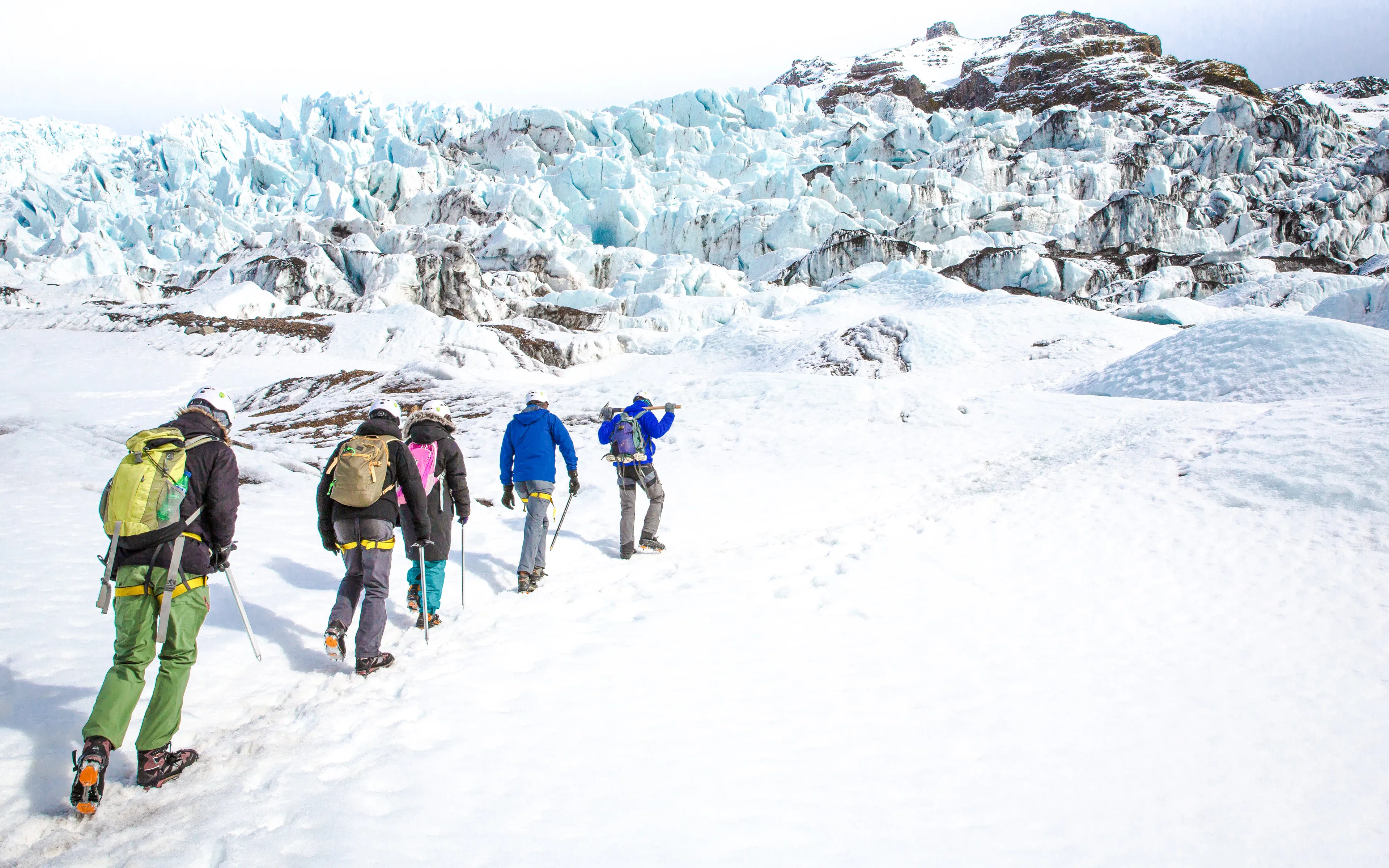
Glacier hiking
Join a guided walk on an outlet glacier, where certified guides lead you across crevasses, ridges, and ice formations while explaining how Iceland’s glaciers are shaped and constantly changing.
Katla ice cave
Explore a naturally formed ice cave beneath Mýrdalsjökull near Vík, where dark volcanic ash streaks the ice and guided access allows safe, year-round visits in a shifting glacial environment.
Dyrhólaey viewpoint
Stop at this elevated headland for wide coastal views over black-sand beaches, sea arches, and cliffs, with the added chance to see nesting puffins during the summer months.
Skaftafell hiking trails
Follow well-maintained trails in Vatnajökull National Park that lead to glacier viewpoints and Svartifoss, offering a mix of short walks and longer hikes through varied terrain.
Where to eat
Good food is part of visiting the Iceland South Coast, especially on long driving days where warm meals and reliable stops matter.

The Soup Company (Vík)
Hearty soups ideal after coastal sightseeing.
- Where it is: Vík town center
- Cuisine: Icelandic/café
- Rating: 4.5/5
- Price point: €€
- Must-try: Lamb soup

Black Crust Pizzeria (Vík)
Local favorite known for charcoal crust pizzas.
- Where it is: Near Route 1 in Vík
- Cuisine: Pizza
- Rating: 4.4/5
- Price point: €€
- Must-try: Icelandic lamb pizza
Where to shop

Vík souvenir shops
A collection of small, locally run stores in Vík offer Icelandic wool products, postcards, and South Coast–inspired souvenirs, making them convenient stops for gifts during long driving days.

Skaftafell Visitor Centre shop
A practical stop inside Vatnajökull National Park where you can find trail maps, outdoor essentials, and nature-focused souvenirs related to Skaftafell and the surrounding glacier landscapes.
Tips from locals
- Start your South Coast drive early in the morning to reach popular stops like Seljalandsfoss and Skógafoss before tour buses arrive from Reykjavík mid-morning.
- Check road.is and weather updates every day, as wind, rain, or icy conditions can temporarily close sections of Route 1 or make driving slower than expected.
- Plan fuel and food stops in Vík or Kirkjubæjarklaustur, since long stretches of the South Coast have no services between towns.
- Keep warm and waterproof layers within easy reach in the car, as weather can change quickly between waterfalls, beaches, and glacier areas.
- Expect strong South Coast winds, which can make walking near cliffs and waterfalls challenging and can even damage car doors if opened carelessly.
Frequently asked questions about planning a visit to the Iceland South Coast
Yes, it is possible as a long day trip, but you will need an early start and should limit stops to major highlights such as Seljalandsfoss, Skógafoss, Reynisfjara, and Vík to avoid rushing.
The route is generally safe, but winter brings snow, ice, and strong winds that can affect visibility and road conditions. Always check road.is and weather forecasts before driving and allow extra time.
Yes, all glacier hikes and ice cave visits require certified guides due to crevasses, unstable ice, and rapidly changing conditions that make independent access unsafe.
Summer offers long daylight hours and easier driving, while winter provides ice caves and snow-covered scenery but requires flexible planning due to weather and limited daylight.
Food options exist in towns like Vík and Kirkjubæjarklaustur, but services are sparse between stops, so it is wise to carry snacks and plan meals ahead.
One day covers the main waterfalls and beaches, while two to three days allow time for glacier hikes, Skaftafell trails, and glacier lagoons without feeling rushed.
A standard car is sufficient in summer, but a 4x4 is recommended in winter for better traction and stability in snow, ice, and high winds.
Starting before 7–8am helps you avoid crowds at popular stops and gives more flexibility if weather or road conditions slow your progress.
Yes, but stay well away from the shoreline and watch the ocean closely, as powerful sneaker waves can surge unexpectedly and pull people into the water.
Yes, many stops are easily accessible, but parents should closely supervise children near cliffs, waterfalls, and beaches due to strong winds and slippery surfaces.
Yes, several viewpoints near Skaftafell and along the South Coast allow you to see glacier tongues safely without joining a guided glacier hike.
Most natural sites are free to visit, though some parking areas charge a small fee, and guided experiences like glacier hikes or ice caves are ticketed.


