9 interesting facts about the Blue Lagoon in Iceland

Dive into the secrets behind Iceland’s most iconic geothermal wonder. From its striking blue water to its sci-fi origins, volcanic setting, and surprising scientific twists, these bite-sized facts reveal the hidden stories that make the Blue Lagoon far more extraordinary than it first appears.

Interesting facts about Blue Lagoon

1. It was formed accidentally 

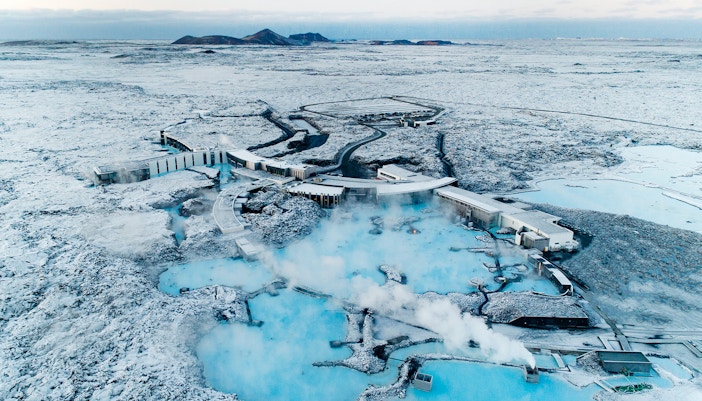
The Blue Lagoon began entirely by chance in 1976, when geothermal seawater from the Svartsengi Power Plant overflowed into the surrounding lava field. The water’s high silica content eventually sealed the porous ground, forming a stable lagoon. What started as industrial runoff soon became a discovery spot for locals drawn to its warm, mineral-rich waters.

Read more about the history of Icelandic Blue lagoon
2. One of the world’s great geothermal wonders

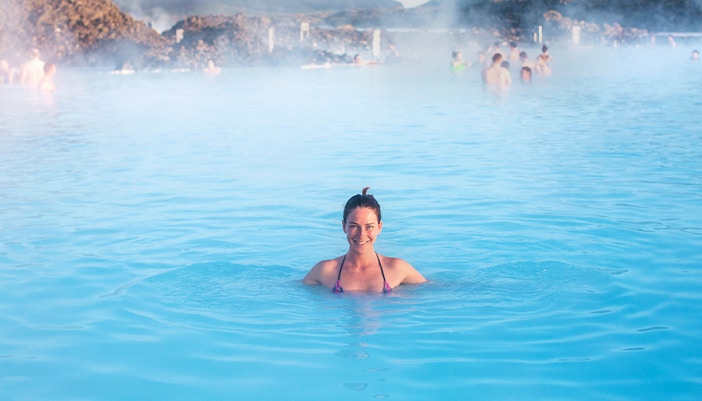
The Blue Lagoon is the largest man-made geothermal mineral bath on the planet, fed entirely by naturally heated seawater from deep beneath Iceland’s volcanic crust. National Geographic named it one of the “25 Wonders of the World,” and today it welcomes over a million guests annually, making it Iceland’s most visited attraction.

3. It has bars & relaxation spots inside

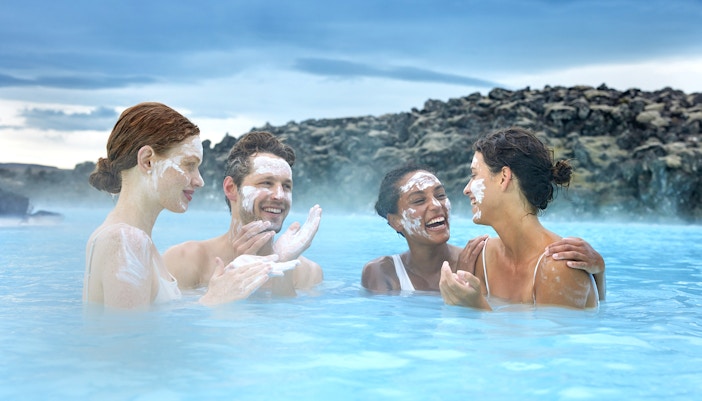
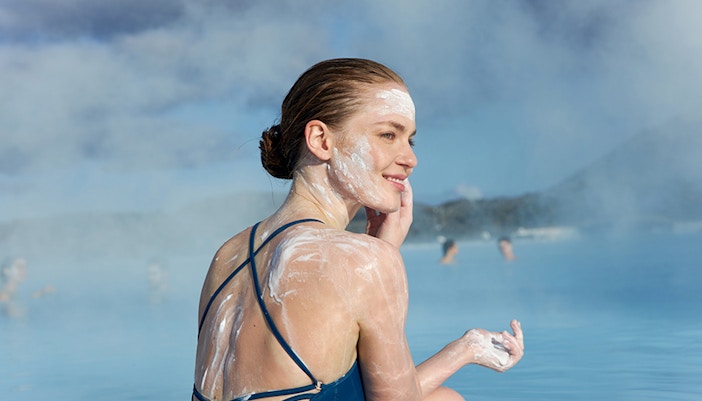
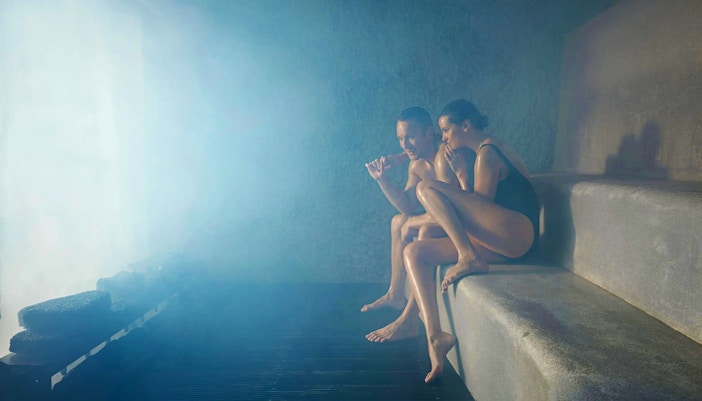
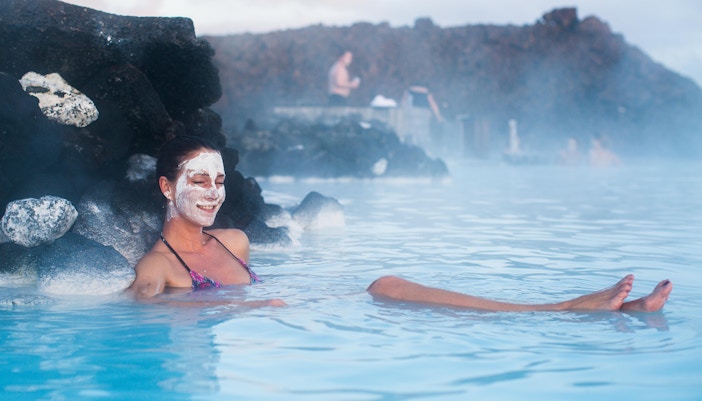
The Blue Lagoon has a swim-up in-water bar, where you can float and order drinks using your electronic wristband. There’s also a Mask Bar in the water, serving their signature silica mud, algae, and mineral masks for skin-rejuvenating face treatments. You’ll also find traditional saunas and steam rooms, including a Finnish-style sauna, plus a steam cave carved into the lava rock.

4. Time it right and you can see the Northern Lights from here

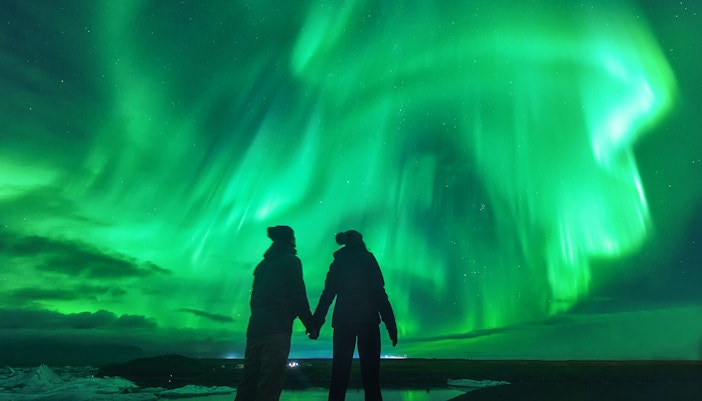
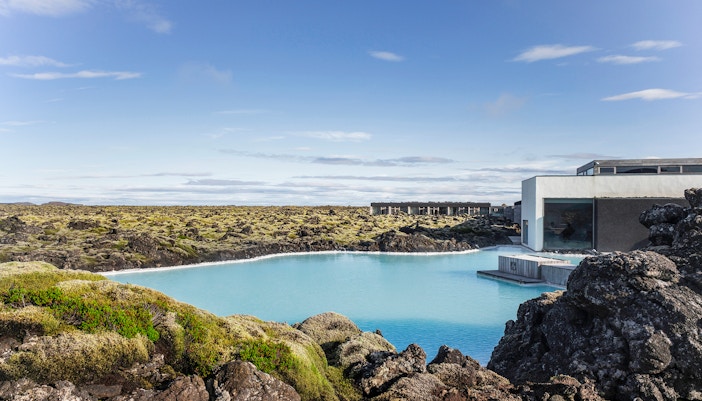
Set within an 800-year-old lava field, the Blue Lagoon gives you rare front-row views of Iceland’s seasonal extremes. In winter, its open skies make it an excellent spot for seeing the Northern Lights. In summer, you’ll be experiencing Midnight Sun that casts a golden glow across the warm, milky-blue water.

5. Know its Icelandic name 

In Icelandic, the Blue Lagoon is called “Bláa Lónið,” a direct translation of “Blue Lagoon.” The name refers to the lagoon’s naturally milky-blue appearance, created by light reflecting off the water’s high silica content.

6. Formed on an ancient lava foundation

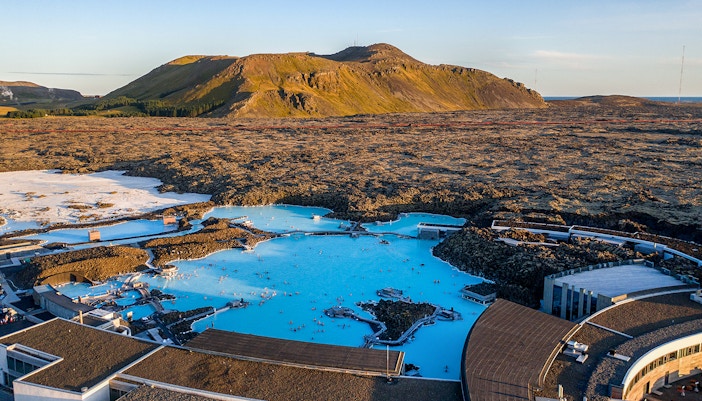
The Blue Lagoon is built directly on an 800-year-old lava field formed by historic eruptions on the Reykjanes Peninsula. The jagged, jet-black basalt creates a striking contrast with the lagoon’s milky-blue water.

7. A perfectly placed geothermal stopover

Located on the Reykjanes Peninsula, the Blue Lagoon sits about 50 minutes from Reykjavík and just 20 km from Keflavík International Airport, making it one of Iceland’s most convenient attractions.

8. A naturally balanced geothermal blend

The Blue Lagoon’s water is a rare combination of 70% geothermal seawater and 30% freshwater, sourced from depths of more than 2,000 meters in the earth’s crust. Constantly renewed, it maintains a soothing 37–40°C (98–104°F) year-round, ensuring warm, therapeutic bathing even during Iceland’s coldest winters.

9. A true sustainability gem

The Blue Lagoon contains 6–9 million liters of geothermal seawater, all of which is naturally refreshed every 40–48 hours. This steady renewal cycle maintains the lagoon’s clarity, mineral strength, and natural antibacterial balance allowing the water to remain clean, sustainable, and entirely free from chemical disinfectants.

Frequently asked questions about Blue Lagoon facts

The lagoon’s color comes from silica particles that scatter sunlight. Even though the water is rich in minerals and algae, it’s the suspended silica that creates the signature blue glow.