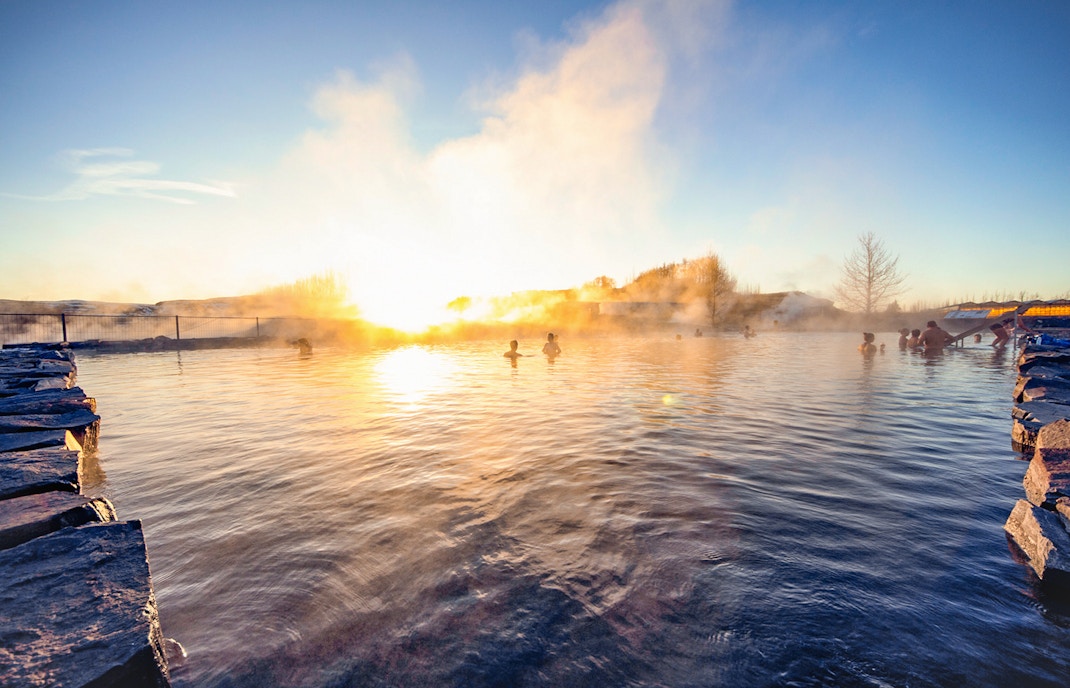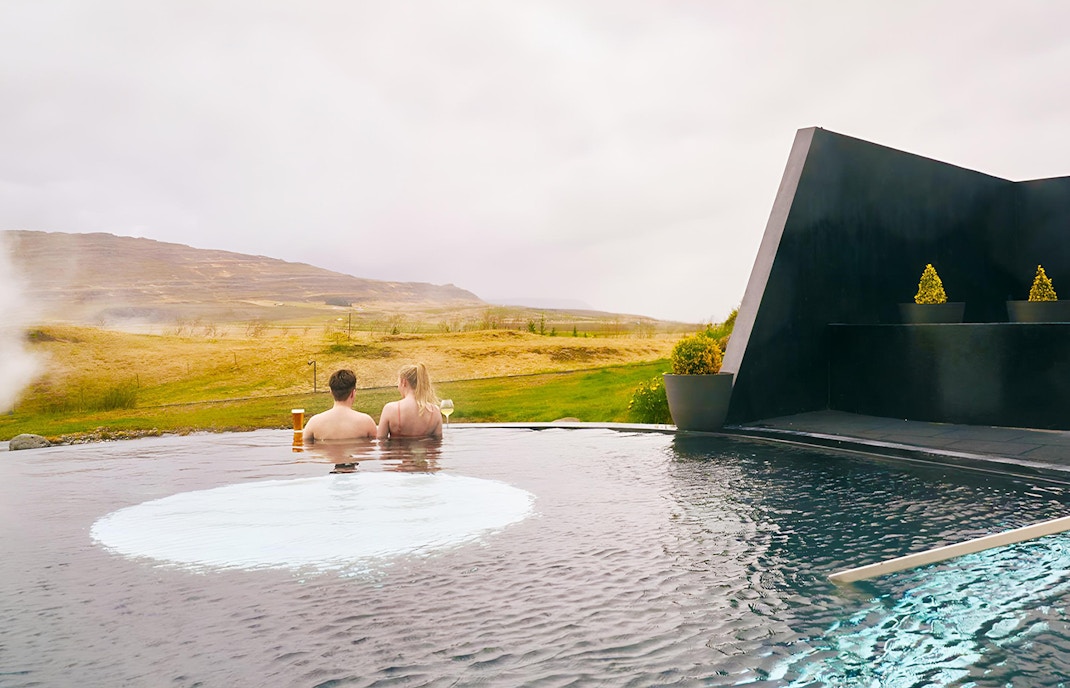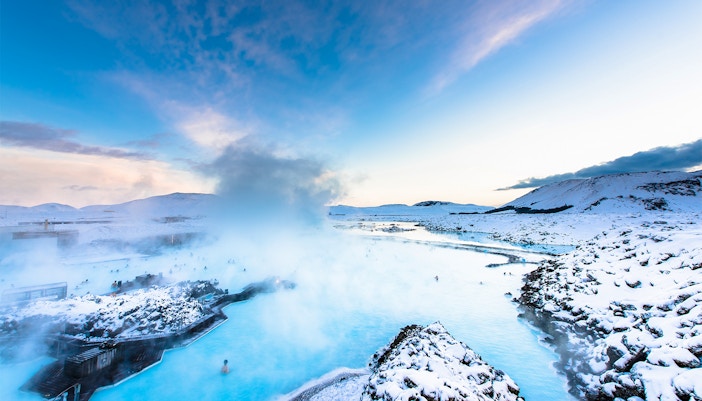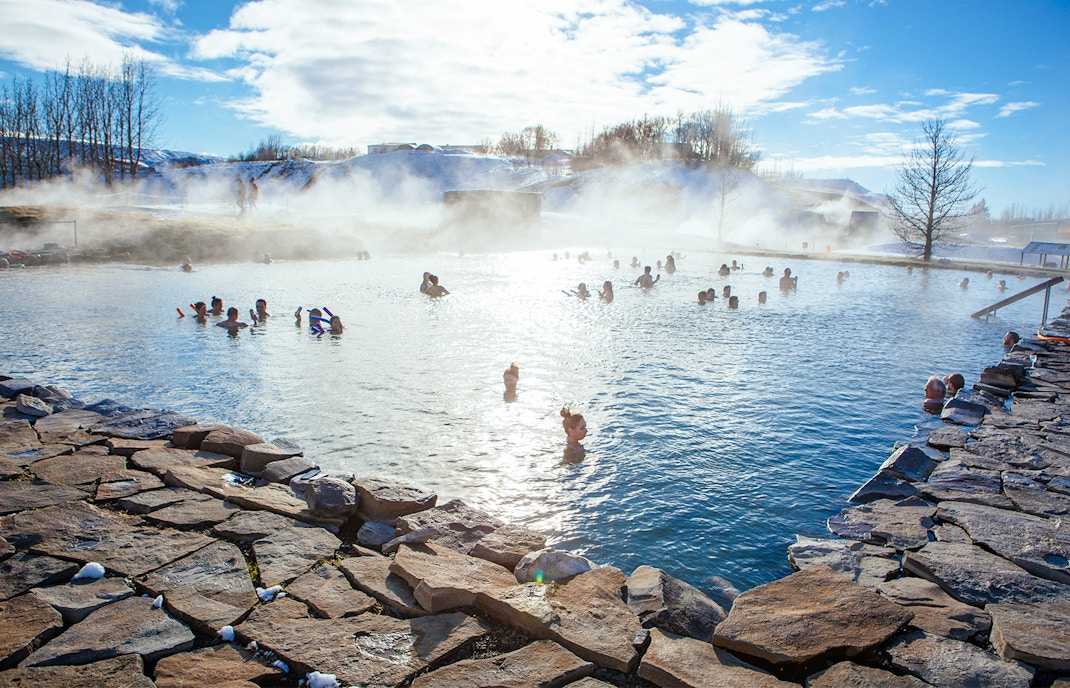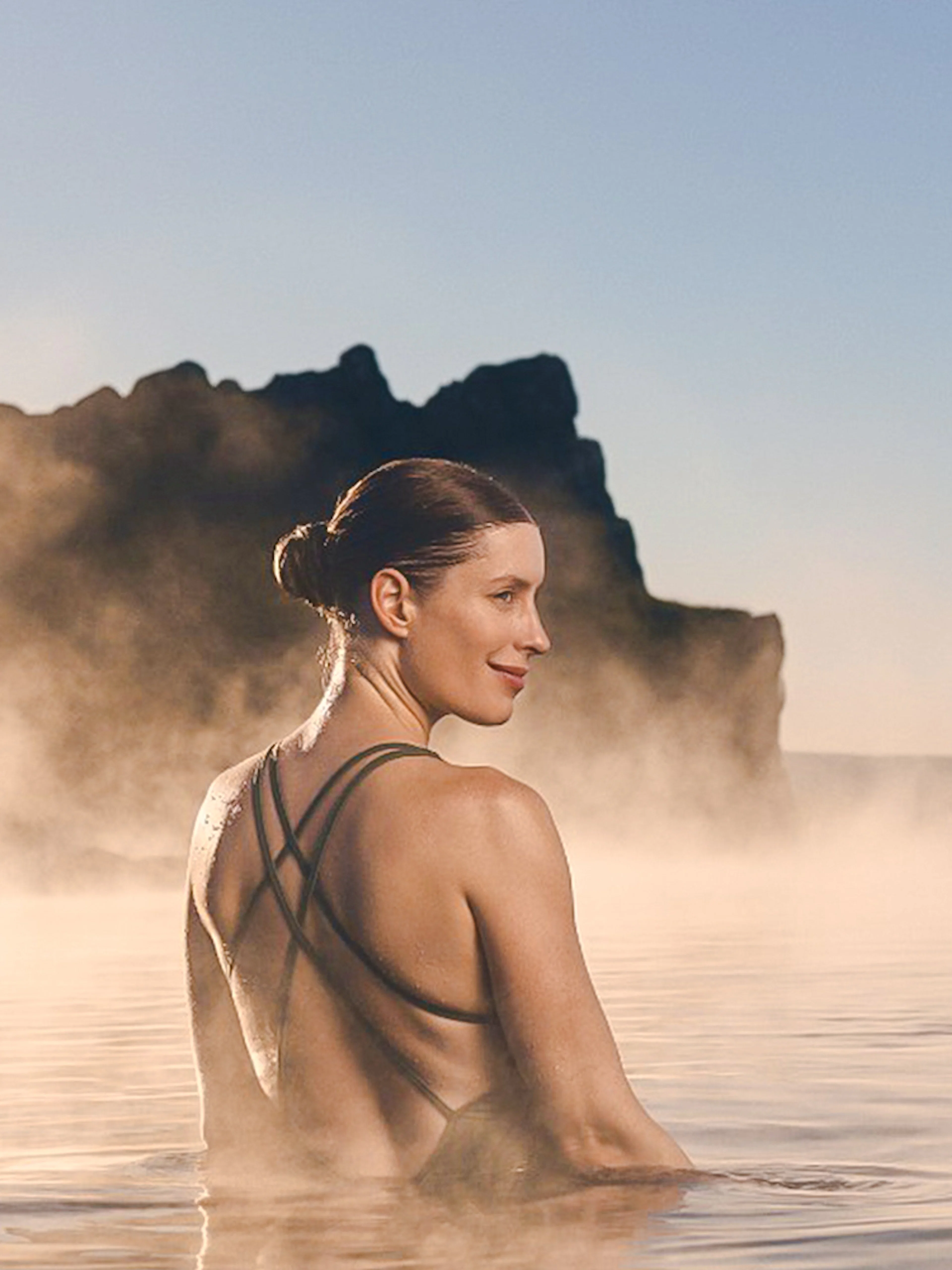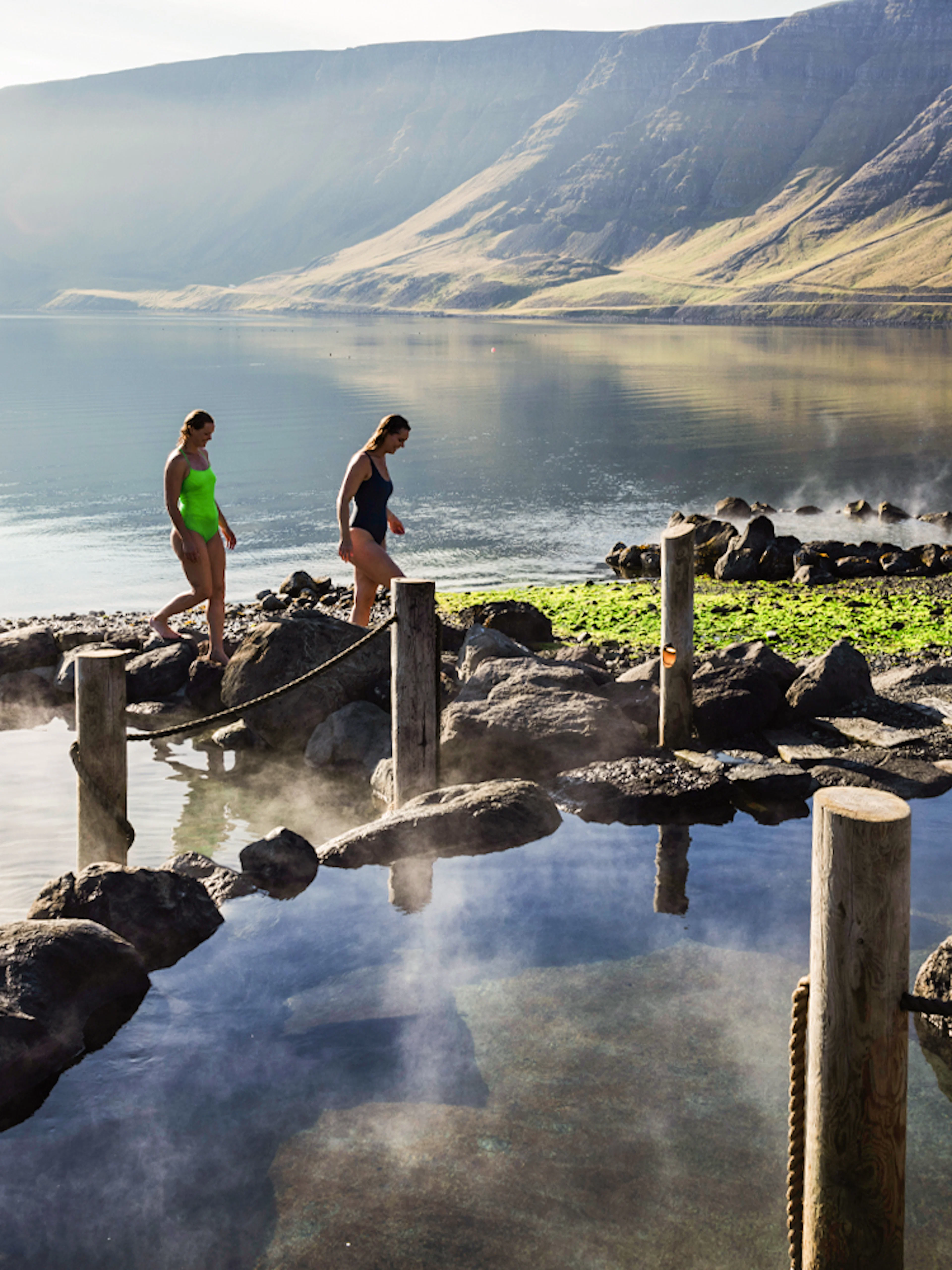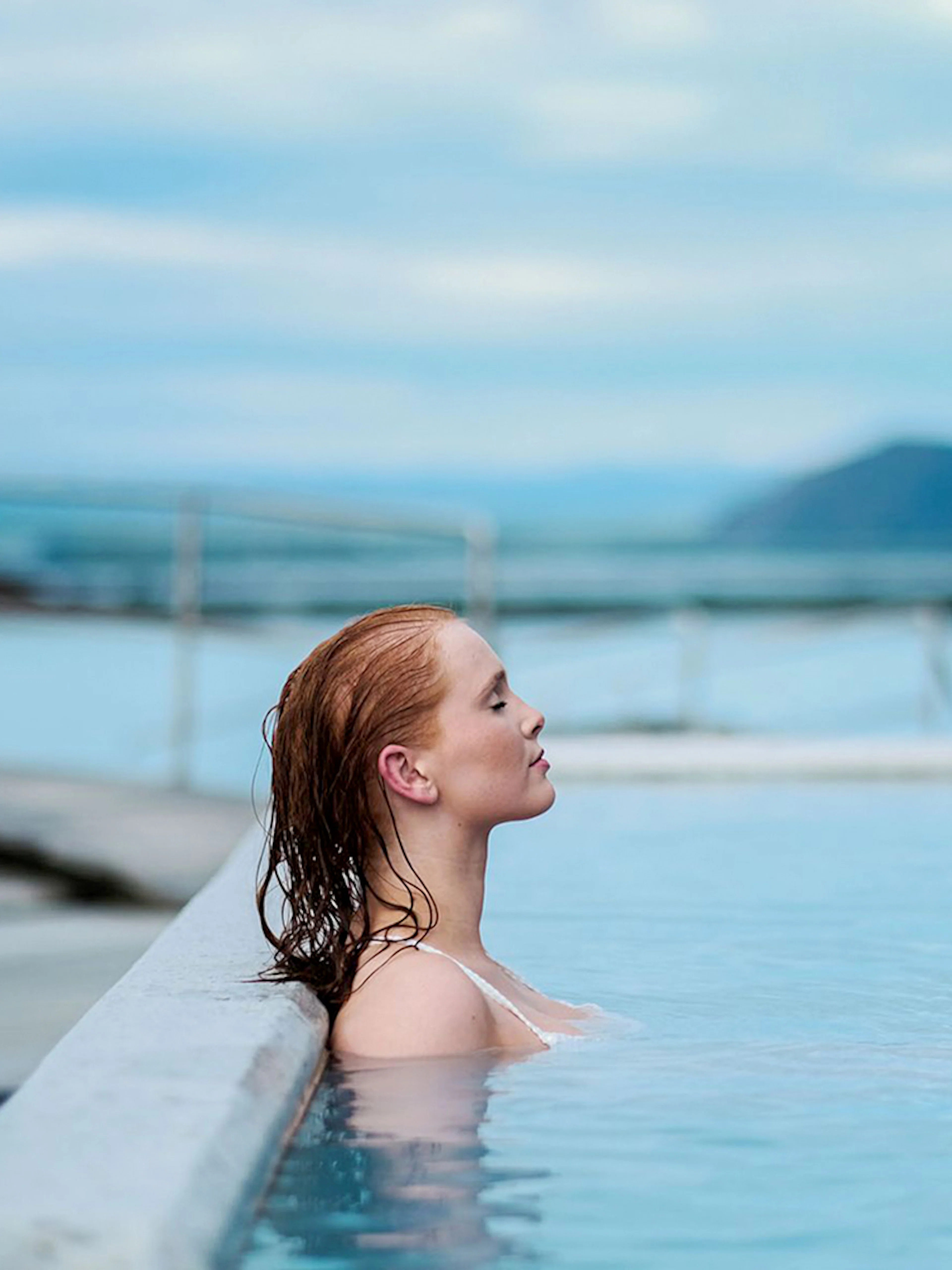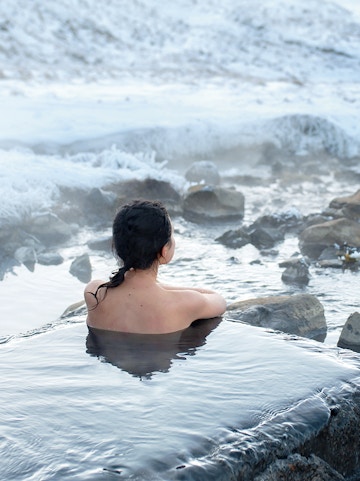
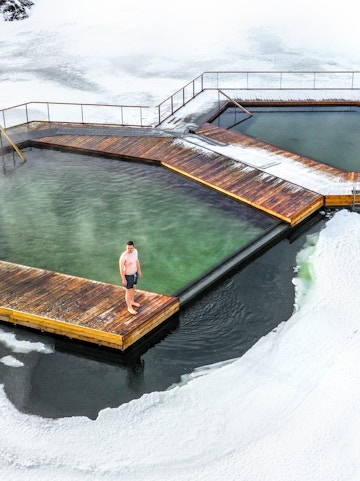
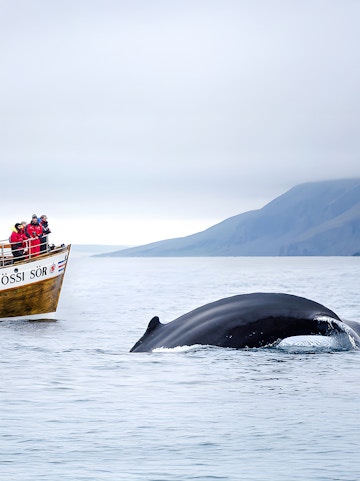
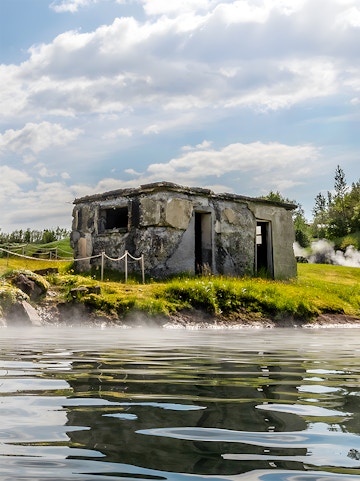
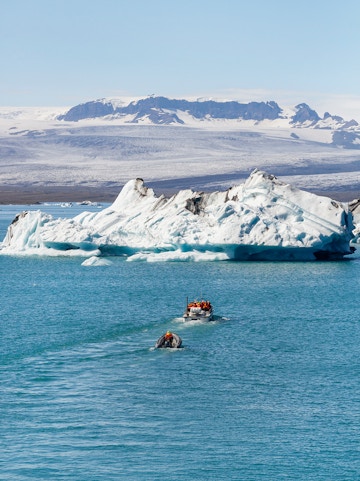
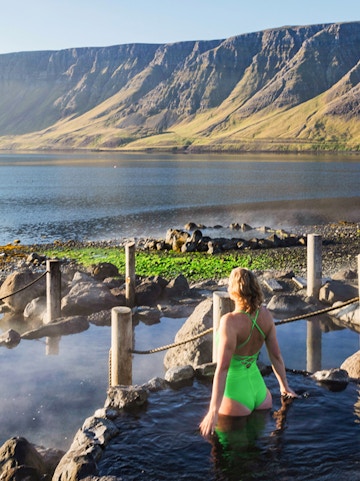
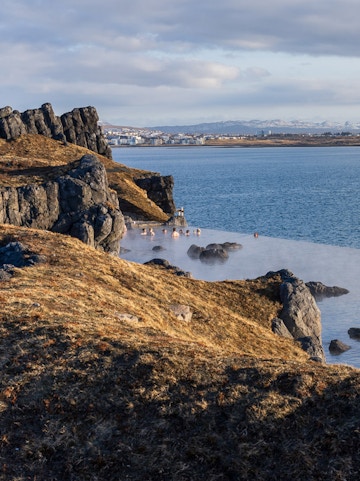
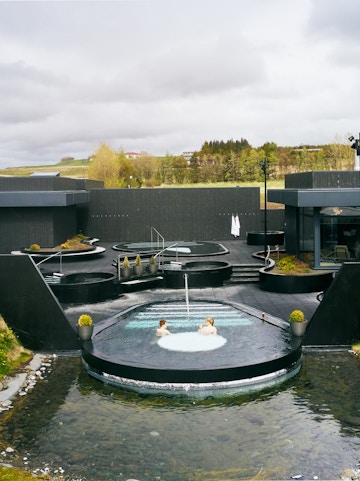
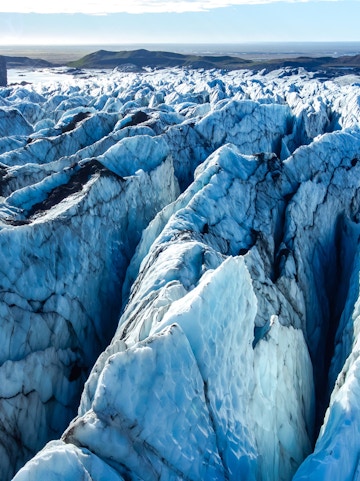
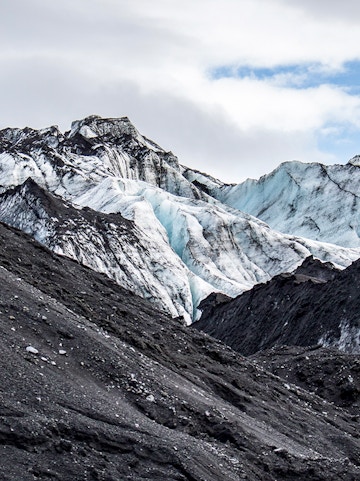
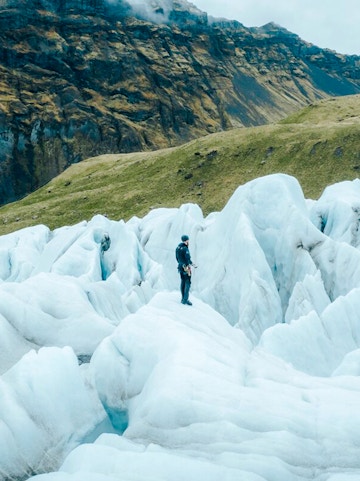
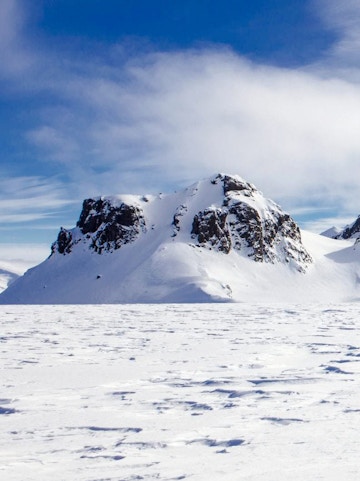
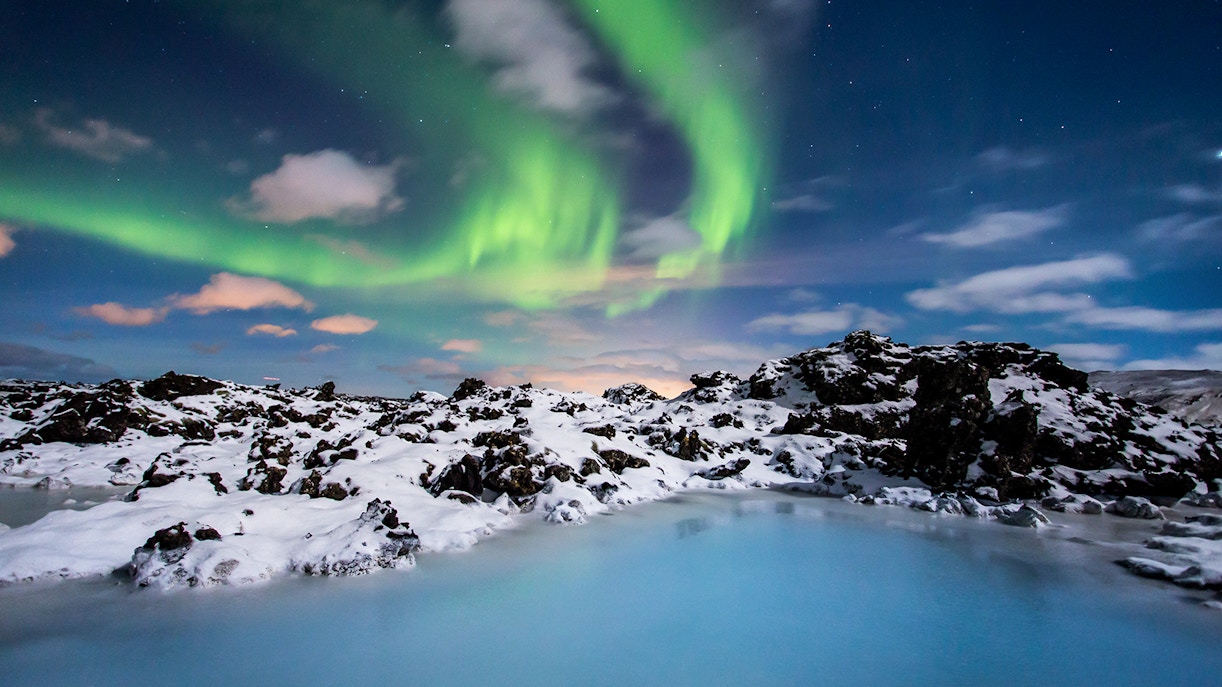
- Winter wonderland: Soaking in the pleasant warmth of a hot spring while surrounded by snowy mountains and icy lakes feels like stepping into a winter fairytale. The best part? The steamy, warm water keeps you nice and hot while the crisp winter air adds a refreshing twist.
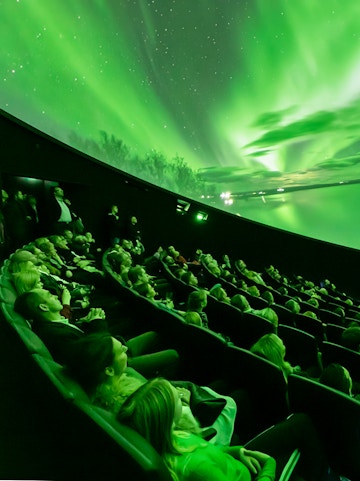
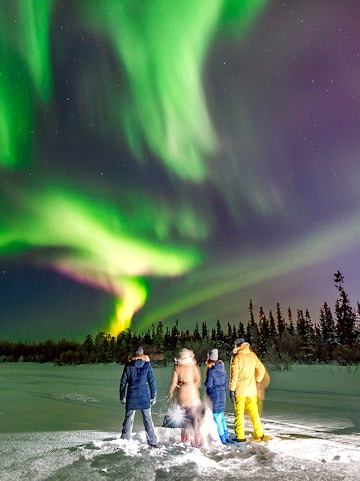
- Northern Lights: Winter is the best time to catch the Northern Lights, and what could be cooler than watching them while chilling in a hot spring? Floating in warm water with colorful lights dancing overhead makes for a seriously magical and one-of-a-kind experience.
- Fewer crowds: Fewer tourists in winter means you get the hot springs (almost) to yourself. No crowds, no rush—just you, the steamy water, and the peaceful vibes. It’s the perfect chance to soak, unwind, and truly enjoy the magic without the usual tourist buzz.
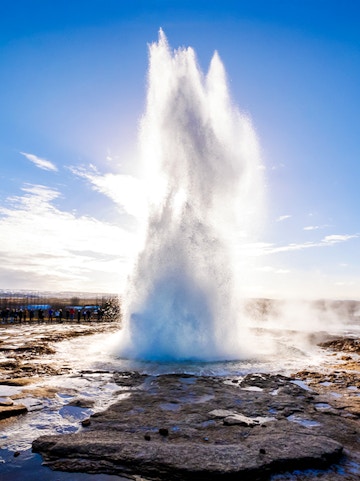
- Health & immunity: The mix of cold air and warm, mineral-rich water boosts circulation, relaxes muscles, and even strengthens your immune system. Plus, it’s the perfect way to de-stress and recharge during chilly months.
Top things to do in Reykjavik
Iceland hot springs in winter
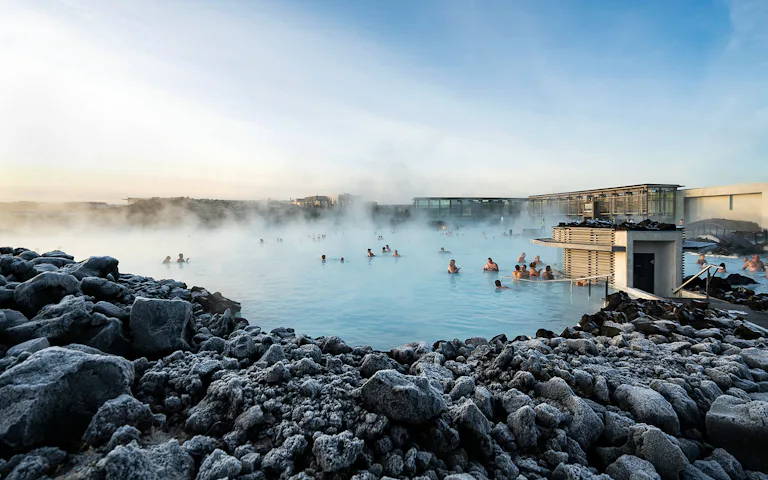
Imagine warming up in the steamy, mineral-rich waters of Iceland Hot Springs while snow gently falls around you, creating a serene atmosphere. The contrast between the crisp air and soothing heat makes it even more inviting. Plus, fewer tourists means you can enjoy the peacefulness of the springs in solitude. On top of that, you might catch a glimpse of the Northern Lights dancing above, while the snow-covered landscape stretches out around you. It’s the perfect way to enjoy Iceland's natural beauty.
Why visit Iceland hot springs in winter?

Popular springs to visit in Iceland during winter
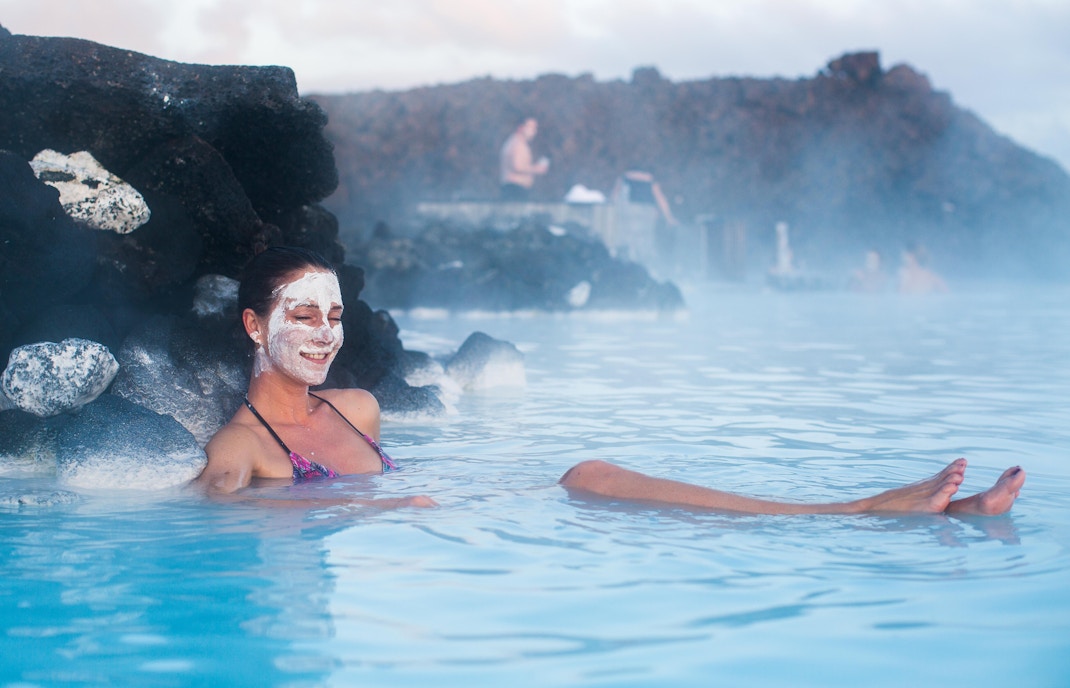
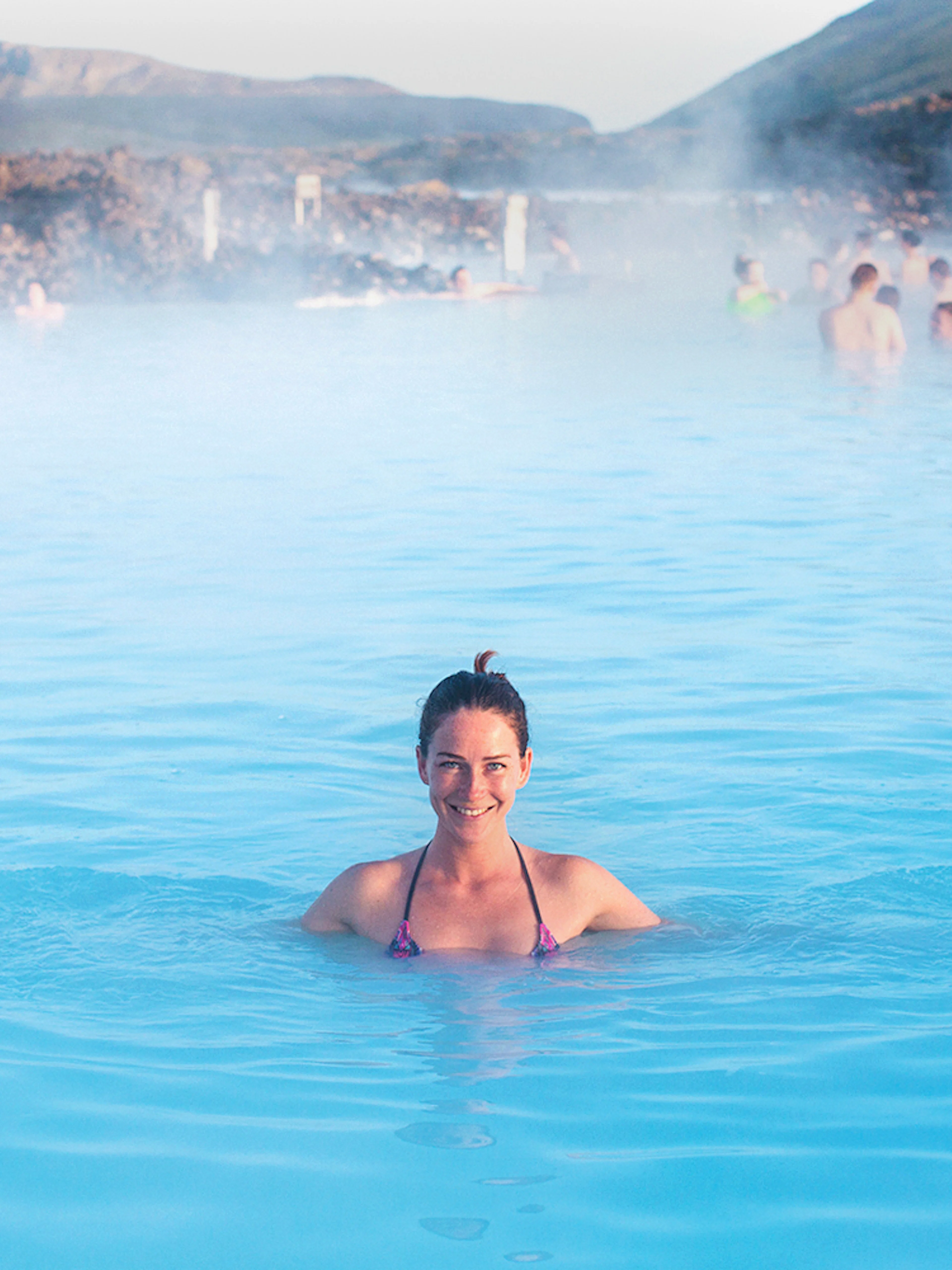
Blue Lagoon
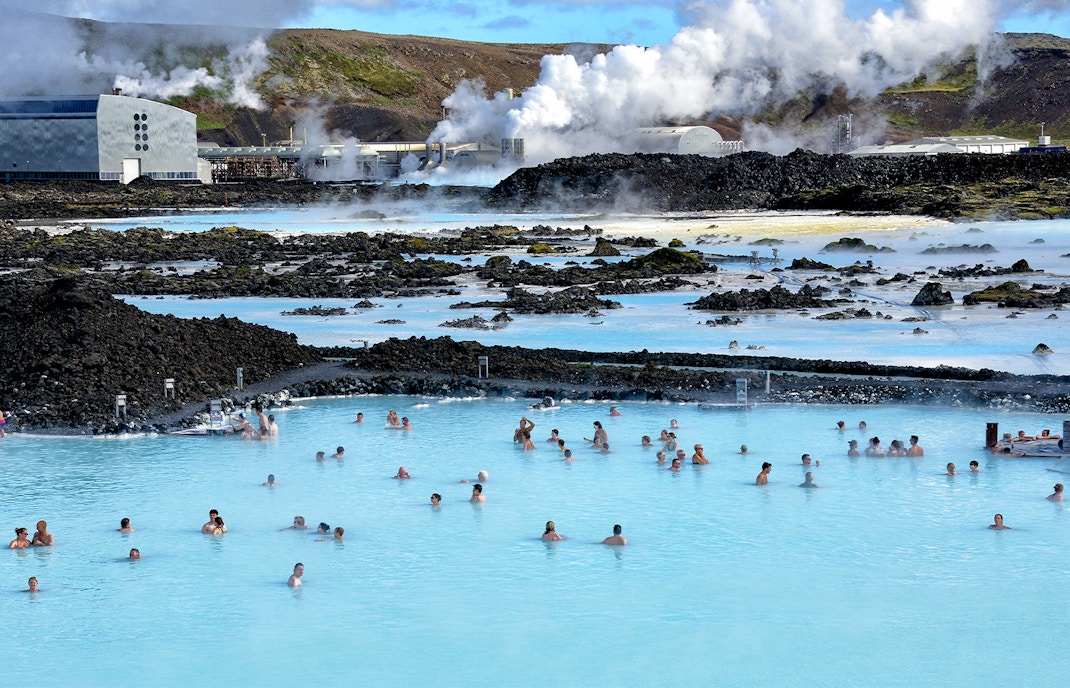
The Blue Lagoon is Iceland’s ultimate geothermal spa experience. Picture yourself soaking in warm, milky-blue waters with steam rising around you—pure relaxation with skin-loving minerals, surrounded by lava fields
Services/amenities:
- Pools: Outdoor thermal pools.
- Wellness: Sauna and steam rooms, mask bar, steam cave, massage waterfall, and in-water bar.
Recommended ticket:
- Blue Lagoon Admission Tickets

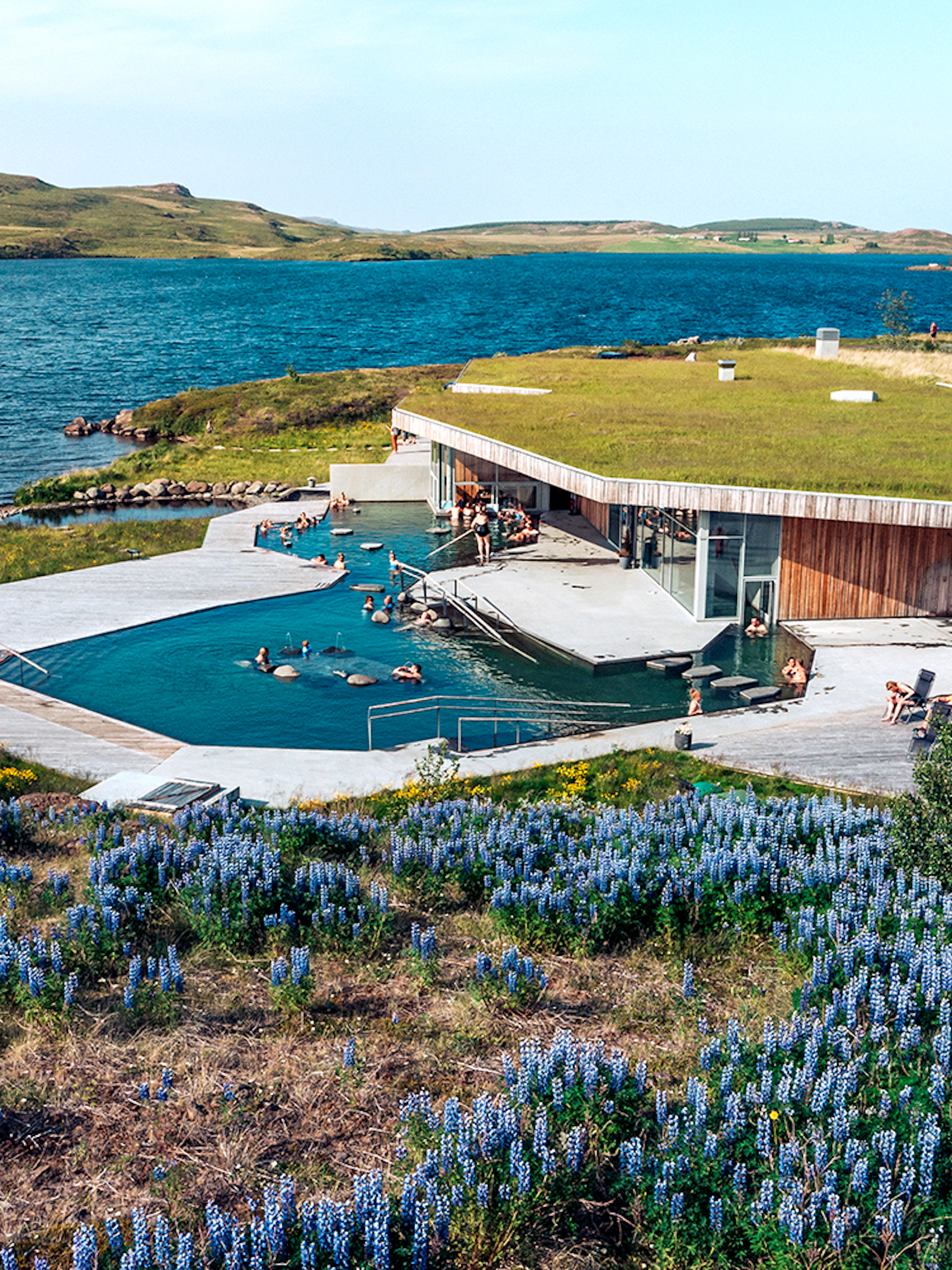
Vok Baths
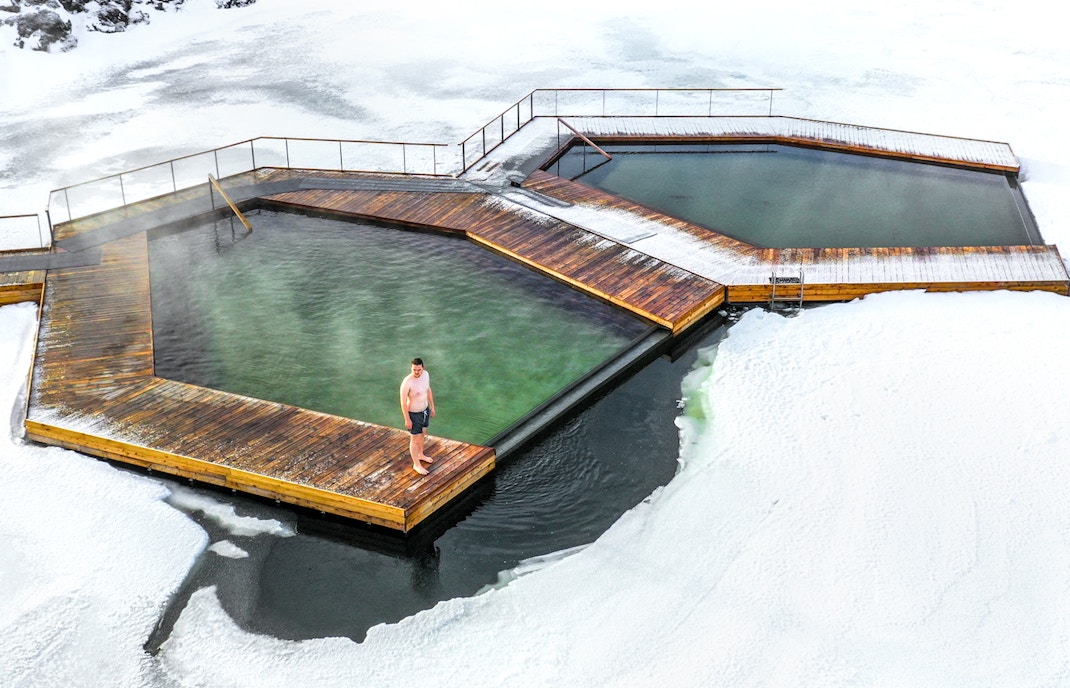
Offering a one-of-a-kind experience with their floating geothermal pools, Vok Baths is on Lake Urrioavatn. Soak in warm waters while enjoying views of nearby volcanic landscapes and distant mountains.
Services/amenities:
- Pools: Outdoor thermal pools.
- Wellness: Sauna and steam rooms, cold mist tunnel, pool bar, and bistro.
Recommended ticket:
- Vök Baths Admission Tickets

Secret Lagoon
The Secret Lagoon in Iceland is a perfect place to unwind in warm, mineral-rich waters surrounded by steam and lava rocks. With showers, changing rooms, and a café to chill in afterward, it’s a great spot to relax!
Recommended ticket:
- Day Tour of Golden Circle & Secret Lagoon from Reykjavik

Krauma Baths
Featuring geothermal pools, a hot tub, and a refreshing cold plunge pool, Krauma Baths is powered by the mighty Deildartunguhver spring. Soak in the steamy waters while enjoying stunning views of the surrounding fjords and countryside.
Recommended ticket:
- Krauma Geothermal Baths Admission Tickets
What weather to expect at Iceland hot springs in winter?
November
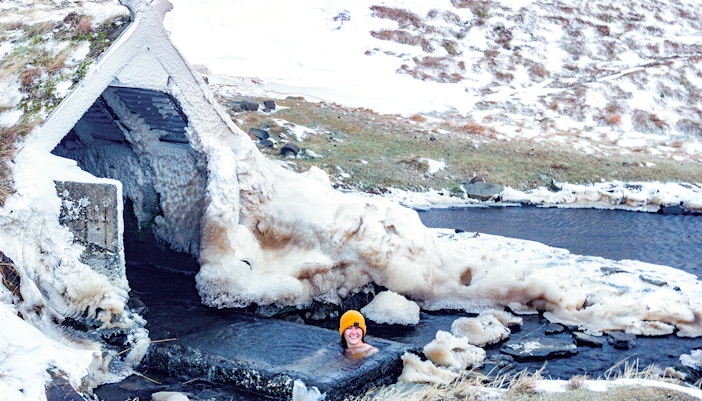
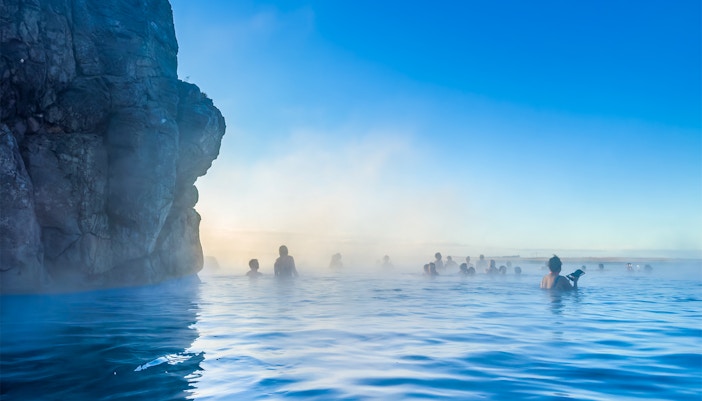
- Weather: November in Iceland brings cold temperatures, typically ranging from -1°C to 4°C. Snow and rain are common, with shorter days.
- Peak hours: The hot springs tend to be busiest in the early afternoon and late evening, particularly on weekends and around sunset.

December
- Weather: Iceland in December experiences cold temperatures averaging at -0.2°C, with snow, rain, and strong winds common, especially inland.
- Peak hours: Peak hours at Iceland's hot springs are usually late in the afternoon and evening, especially during weekends and holidays. Expect even more visitors around holidays like Christmas and New Year.

January
- Weather: January is Iceland’s coldest month with temperatures ranging from -2.2°C to 3.4°C and cold and unpredictable weather, especially in the northern regions.
- Peak hours: Mid-day to early evening are typically busy in January, when most tourists visit after daytime activities.

February
- Weather: In February, Iceland experiences temperatures around -1°C to 3°C, with frequent rain, snow, and occasional icy conditions.
- Peak hours: The busiest times at Iceland's hot springs in February are typically in the afternoon and early evening, especially on weekends.

March
- Weather: In March, temperatures in Iceland typically range from -1.3°C to 4.2°C (29.7°F to 39.6°F). The weather can be unpredictable, with a mix of snow, rain, and occasional sunshine.
- Peak hours: Expect the busiest times to be mid-morning to early afternoon, mostly on weekends, as most visitors arrive after breakfast and leave before evening.
Health benefits of thermal bathing in cold weather
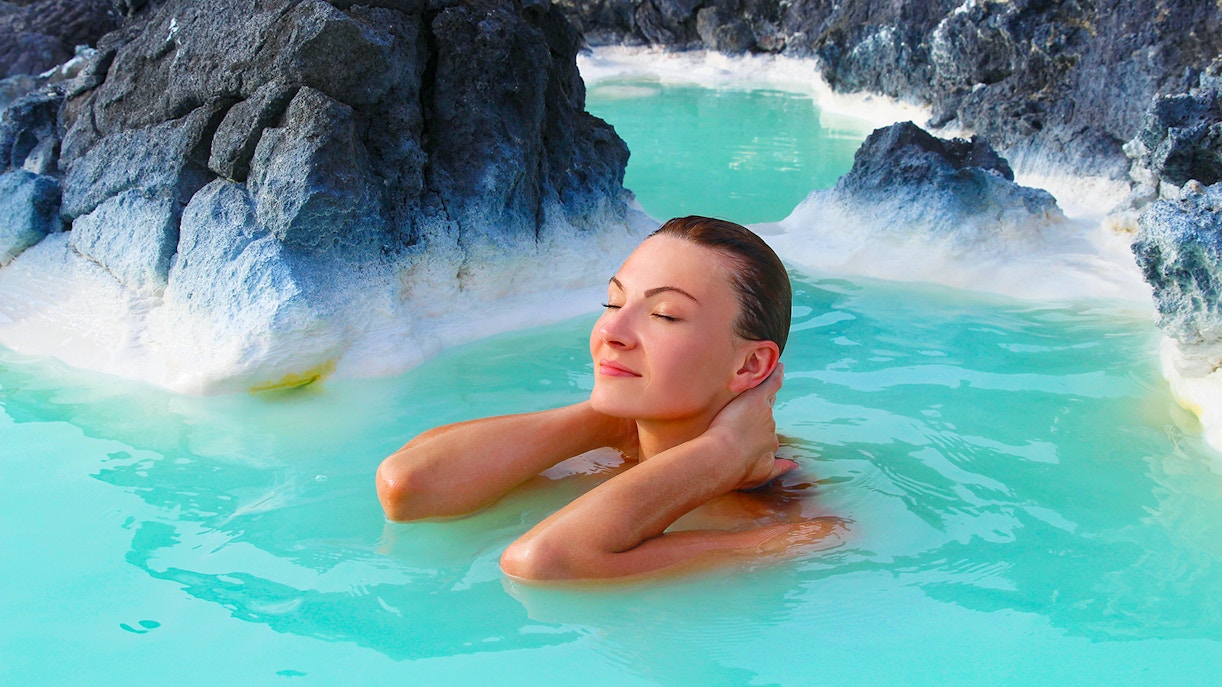
- Improved circulation: The warm thermal waters stimulate blood flow to help reduce inflammation, improve heart health, and support better oxygen delivery throughout the body during the winter chill.
- Muscle relaxation: Soaking in hot springs eases muscle tension and joint pain. The heat relieves stiffness or soreness caused by colder weather or physical activity.
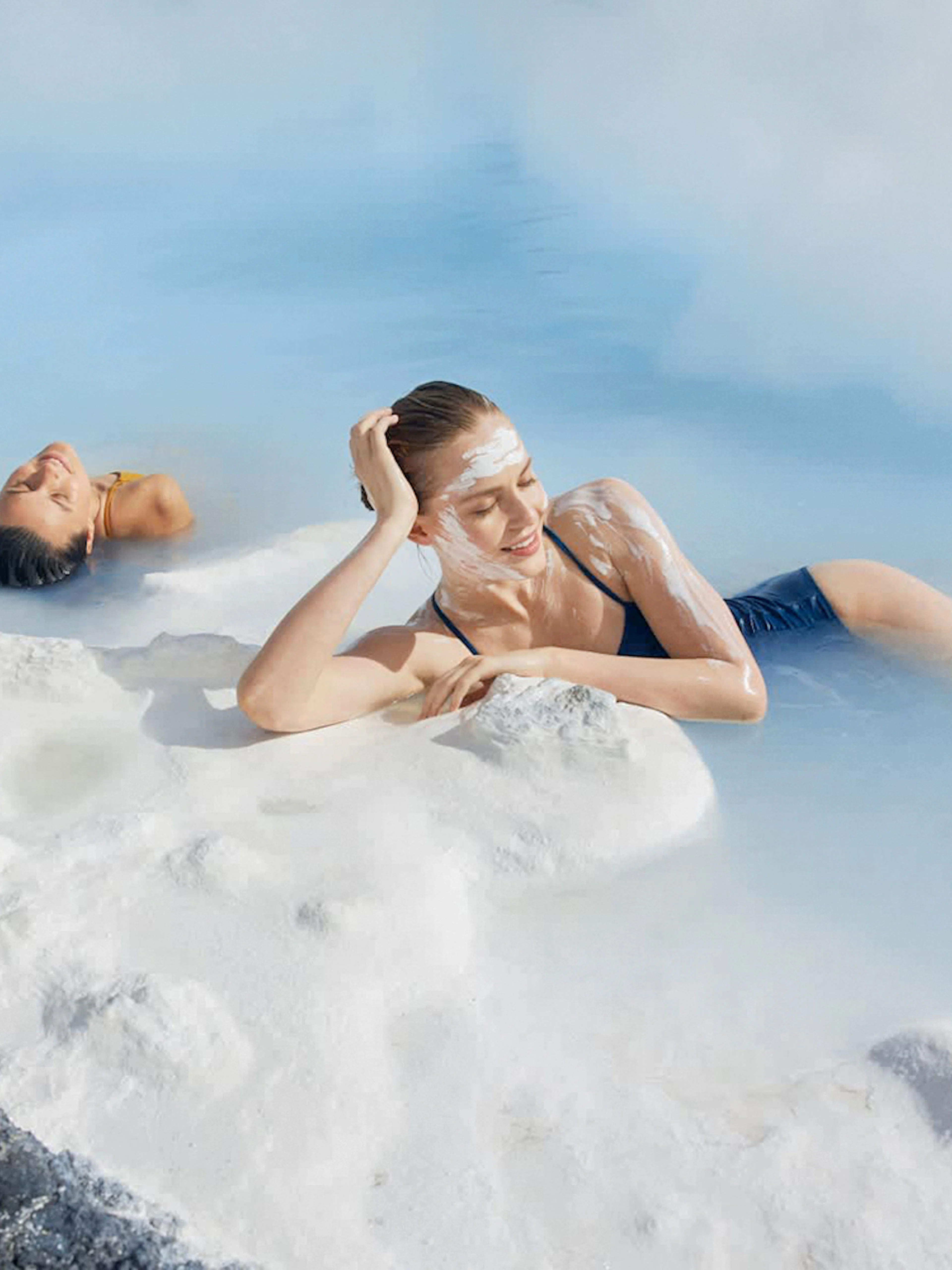
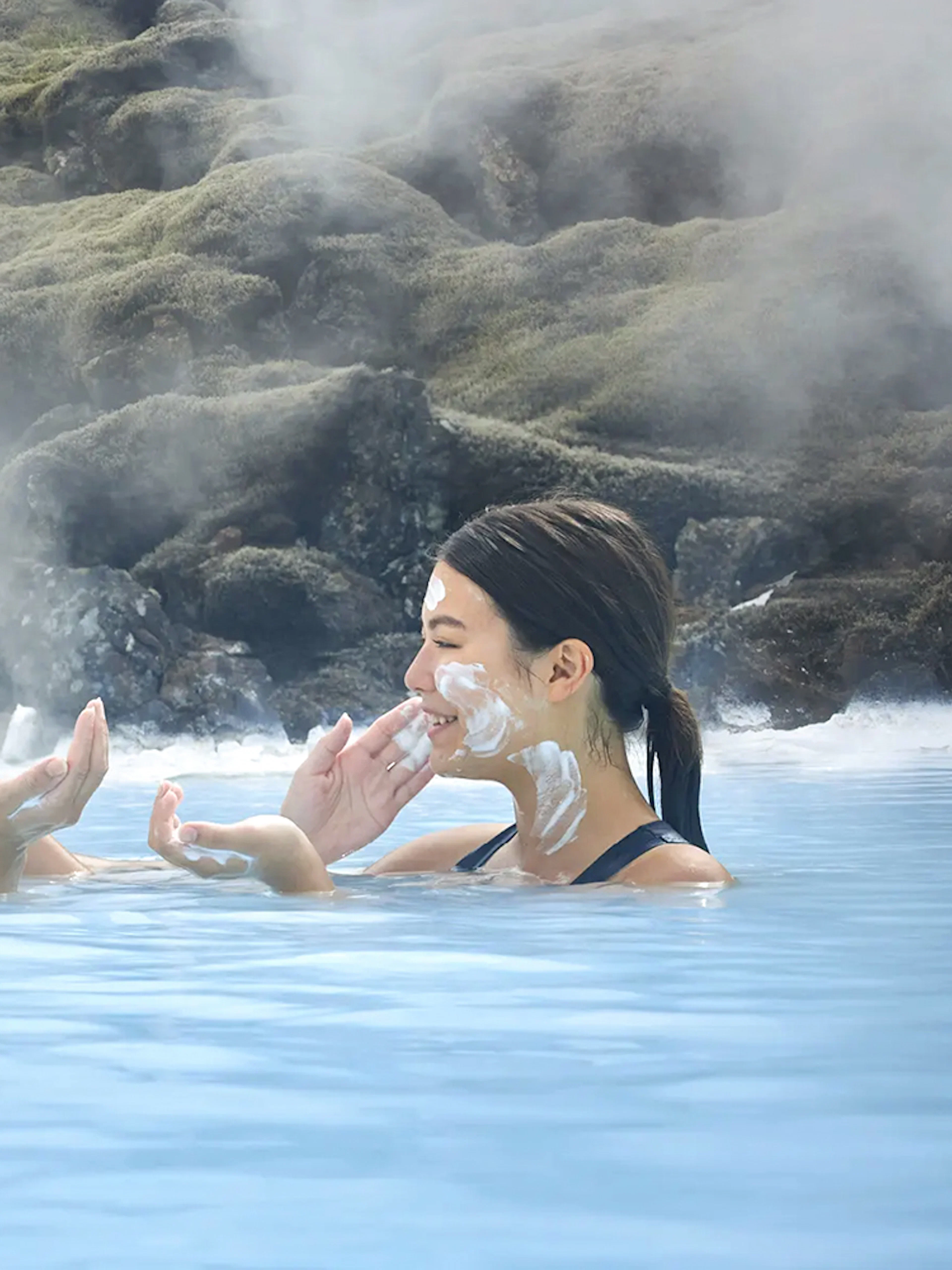
- Skin soothing: The silica and sulfur-rich Icelandic thermal waters help cleanse and hydrate the skin, making it feel smoother and more refreshed, especially in harsh winter weather.
- Stress reduction: The calm, peaceful environment of the thermal baths combined with the heat helps reduce stress and anxiety.
- Enhanced immunity: Regular exposure to warm thermal waters can boost circulation, support detoxification, and help strengthen your immune system to fight winter colds and illnesses.
Frequently asked questions about Iceland hot springs in winter
Yes, Iceland’s hot springs are perfect for winter. The warm waters are a cozy escape from the cold, and the scenery is stunning. Plus, there's a chance to spot the Northern Lights!
Yes, many Icelandic hot springs have saunas that are open year-round, including winter, providing a perfect way to relax.
Yes, outdoor pools are safe despite the winter chill. The hot water keeps you warm, but bring a towel, warm clothes, and a hat to beat the cold when you’re out of the water.
The best time to visit Iceland’s hot springs in winter is during weekdays early mornings or late evenings when it’s quieter. Visit during the evening for a shot at spotting the Northern Lights.
There are no time limits, so you can relax at your own pace and enjoy facilities like saunas and cold plunge pools.
For your winter visit, bring a swimsuit, towel, and warm clothes. Bring along a comfy robe to keep you warm as you navigate between the facilities and a waterproof bag for your belongings.