- Why it’s best: Includes direct round-trip transfers from Reykjavík, timed entry, and a smooth, no-planning experience. Some full-day tours bundle the Blue Lagoon with major sights like the Golden Circle or Kerið Crater for maximum value.
- Time: 5–6 hours for transfer + lagoon visits; 10–12 hours for full-day combo tours
- Cost: €118.96 for the admission ticket and €176 for a day trip from Reykjavik
- Pros: Hassle-free transport, guaranteed entry slot, optional multi-attraction itineraries, ideal for first-time visitors
- Cons: Fixed schedules; less flexibility than self-drive or standalone admission tickets
Plan your visit to the Blue Lagoon | Iceland's geothermal wonder
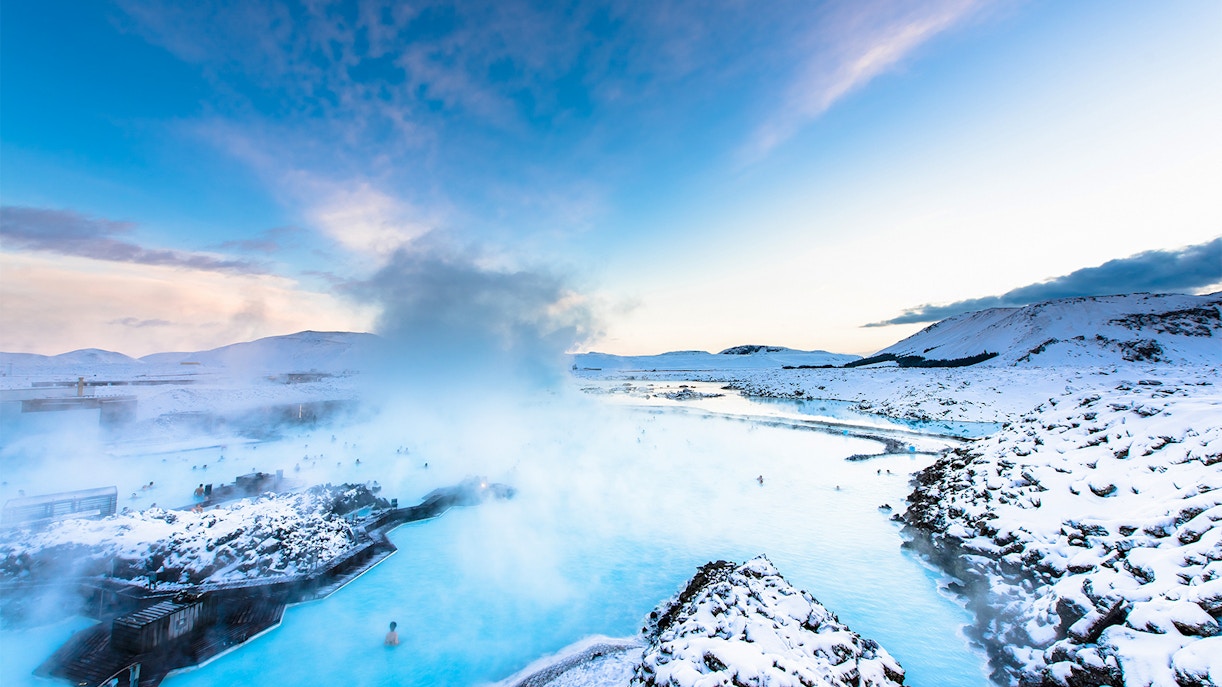
Blue Lagoon is Iceland’s signature geothermal escape, set among ancient lava fields and steaming volcanic horizons. A day trip from Reykjavík typically revolves around soaking in the mineral-rich waters, trying in-water spa rituals, and exploring the dramatic Reykjanes Peninsula. Because the lagoon is a destination in itself, focus your visit on slow, restorative experiences. If you want more, pair it with nearby volcanic viewpoints or a classic Golden Circle route.
Figuring out travel logistics
From Reykjavík, the Blue Lagoon is just 50 minutes by car and about 20 minutes from Keflavík Airport. Many people choose transfers or guided tours since parking fills up during peak hours and timed entry is strictly enforced. Public buses do not run directly to the lagoon, so pre-booked shuttles are the most reliable option.
Plan your day
Quick visit (2–3 hrs):
If you can figure out transport yourself thenthe standard Blue Lagoon Admission Ticket is perfect for a relaxing soak, silica mask, and a drink at the in-water bar.
Half day (4–5 hrs):
{experience type="POPUP" id="9105" text="Blue Lagoon Admission Ticket + Transfers from Reykjavík"} is ideal for a no-stress trip. It includes a round-trip shuttle plus extended time to enjoy saunas, steam rooms, and the mask bar.
Full day (6–8+ hrs):
*Blue Lagoon + Sightseeing Tour combines the lagoon with major attractions like the *Golden Circle, Kerið Crater, Gullfoss, Geysir, or Fagradalsfjall Volcano** for a comprehensive Icelandic adventure.
Handy tips
- Booking: Reserve your Blue Lagoon entry well in advance. It’s unlikely you’ll be able to score tickets on the same-day.
- Best times: Early morning or late evening offer quieter crowds and better chances for sunrise, sunset, or even the Northern Lights in winter.
- Pro tip: Choose a combo tour (Golden Circle + Blue Lagoon) if you want to maximize a single day without arranging transport yourself.
- Bathing etiquette: Shower thoroughly before entering the lagoon. This is strictly enforced and part of Icelandic bathing etiquette.
Must-do at Blue Lagoon
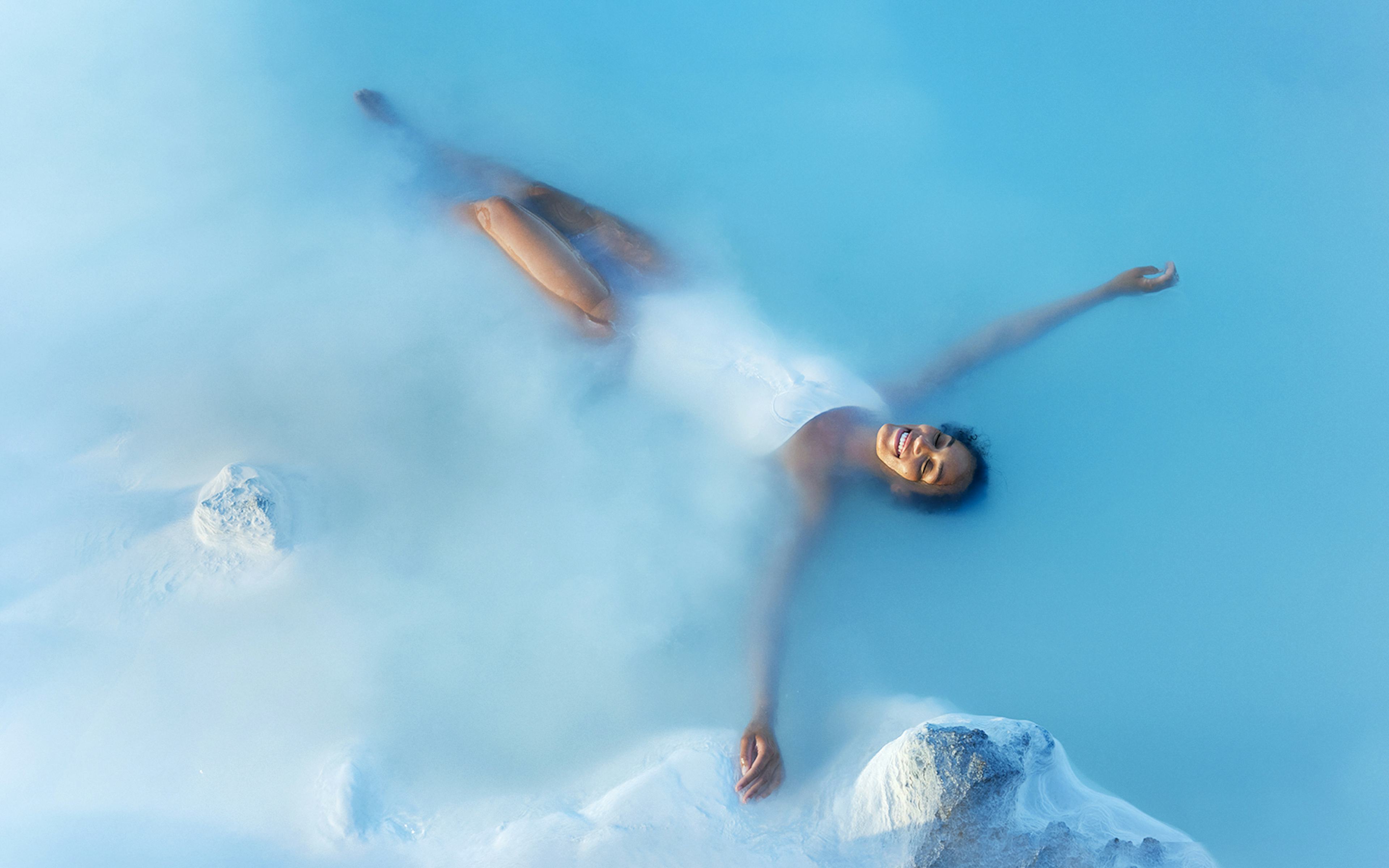
1/5
1. Soak in the Signature Geothermal Lagoon
This is Iceland’s most iconic experience. You’ll be taking a dip in mineral-rich, naturally heated waters that soothe the skin and relax muscles in surreal volcanic landscapes.
2. Indulge in the in-water mask ritual
A rejuvenating three-step silica, algae, and mineral salt treatment that nourishes skin and elevates your soak into a full wellness ritual.
3. Explore the saunas, steam rooms & lava cave
Thermal heat therapies set into real lava formations, offering deep relaxation, detox benefits, and unique sensory environments you won’t find in typical spas.
4. Enjoy drinks at the in-water bar
Sip smoothies, wine, or Icelandic beer without leaving the lagoon. Perfect for unwinding while floating through the lagoon’s warm, milky-blue waters.
5. Dine with a view at Lava Restaurant
A cliffside dining experience built into an ancient lava wall, serving modern Icelandic cuisine with panoramic views of the lagoon’s stunning scenery.
Getting to Blue Lagoon in Iceland
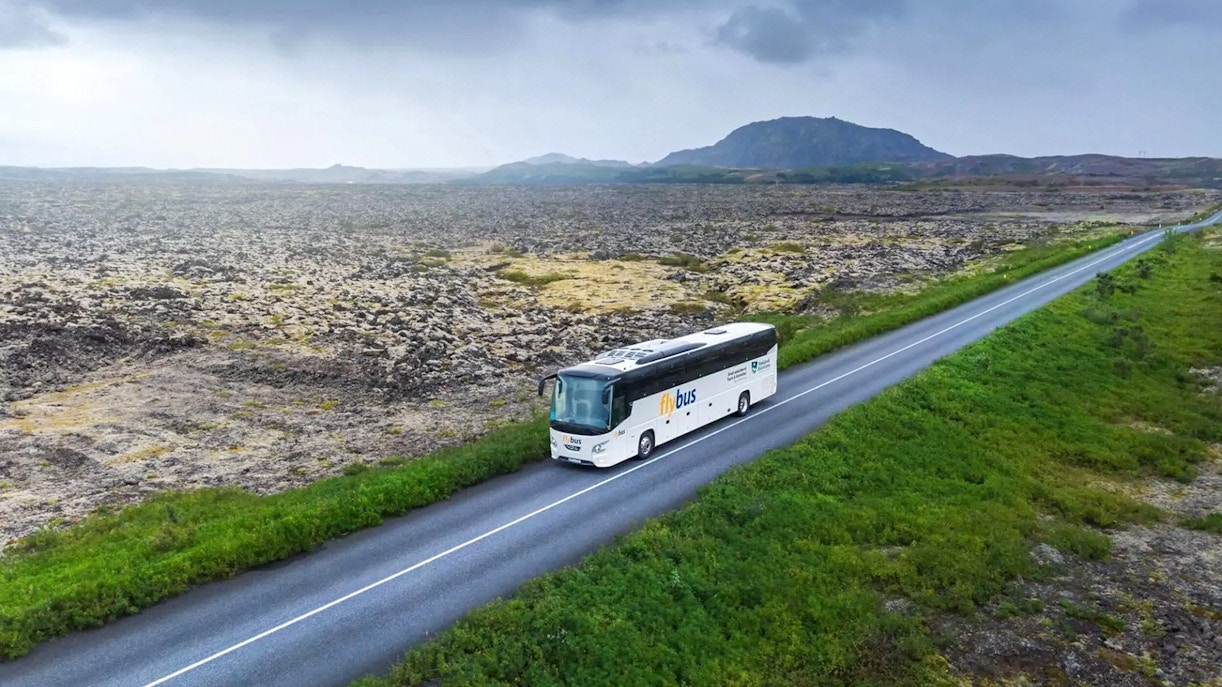
- The cheapest way to reach the Blue Lagoon. Scheduled buses and shuttle services depart from BSÍ Bus Terminal in Reykjavík and drop you at the lagoon’s main entrance. Can be slower during peak traffic hours or in winter conditions.
- Time: 45–60 minutes each way
- Cost: €35–€55 (one-way, depending on operator and season)
- Best for: Budget travelers, solo visitors, and those who want simple point-to-point transport
- Cons: Slower than tours, no added inclusions, limited luggage space, can fill up during peak times

- The most flexible way to reach the Blue Lagoon. Drive directly from Reykjavík (50 min) or Keflavík Airport (20 min) via well-marked roads across the Reykjanes Peninsula. Parking at the lagoon is free, but weather can affect driving conditions in winter.
- Time: 20–50 minutes depending on starting point
- Cost: €60–€120 per day for rental + fuel
- Best for: Travelers wanting full flexibility, stopovers, or combining the lagoon with nearby sights
- Cons: Winter roads can be icy; rental costs add up; no guide or inclusions
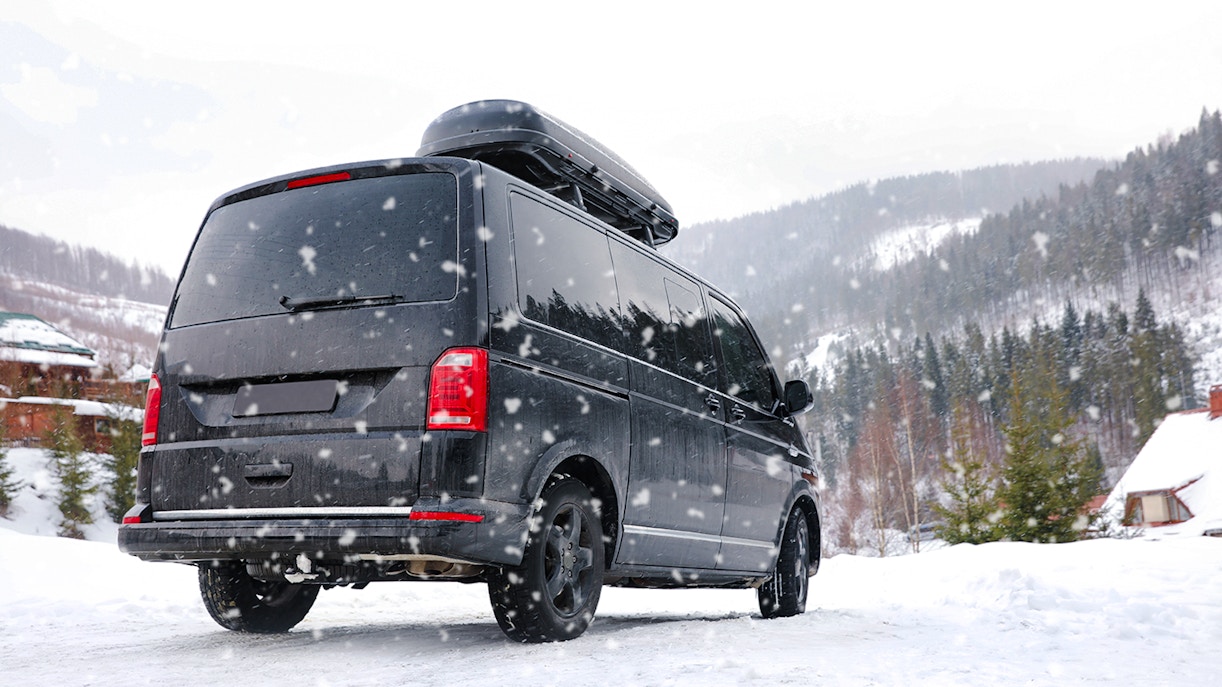
- The fastest but most expensive way to reach the Blue Lagoon. Taxis operate from Reykjavík and Keflavík Airport, offering door-to-door convenience with no need to navigate or wait for buses. Availability is generally good, but fares vary by time and distance.
- Time: 20–50 minutes depending on starting point
- Cost: €120–€200 one-way
- Best for: Short layovers, small groups splitting the fare, travelers with heavy luggage
- Cons: High cost, surge pricing during peak hours, limited ride-hail options compared to major cities
More things to do near Blue Lagoon (if you have the time)
You can easily pair the Blue Lagoon with classic Icelandic highlights, adding optional stops or even a volcano day tour for an extra dose of adventure. Here’s what you can combine with your visit:
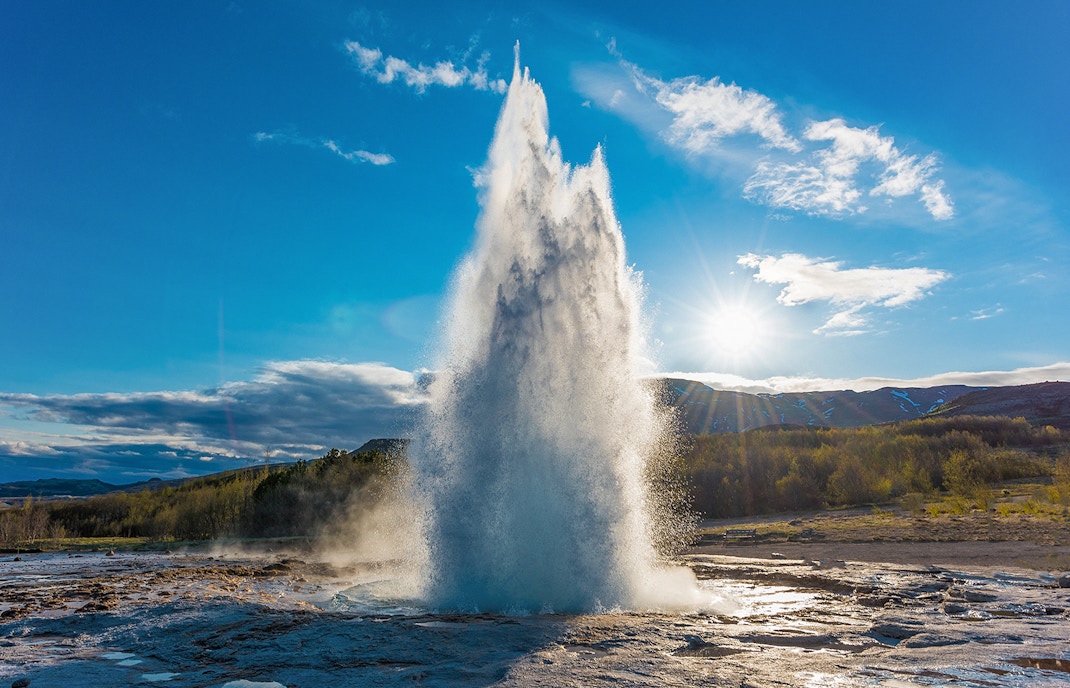
1. Golden Circle
A signature Icelandic route featuring Þingvellir National Park, Geysir’s erupting hot springs, and the mighty Gullfoss waterfall. Perfect for first-timers who want a sweeping introduction to Iceland’s geology, history, and dramatic landscapes.
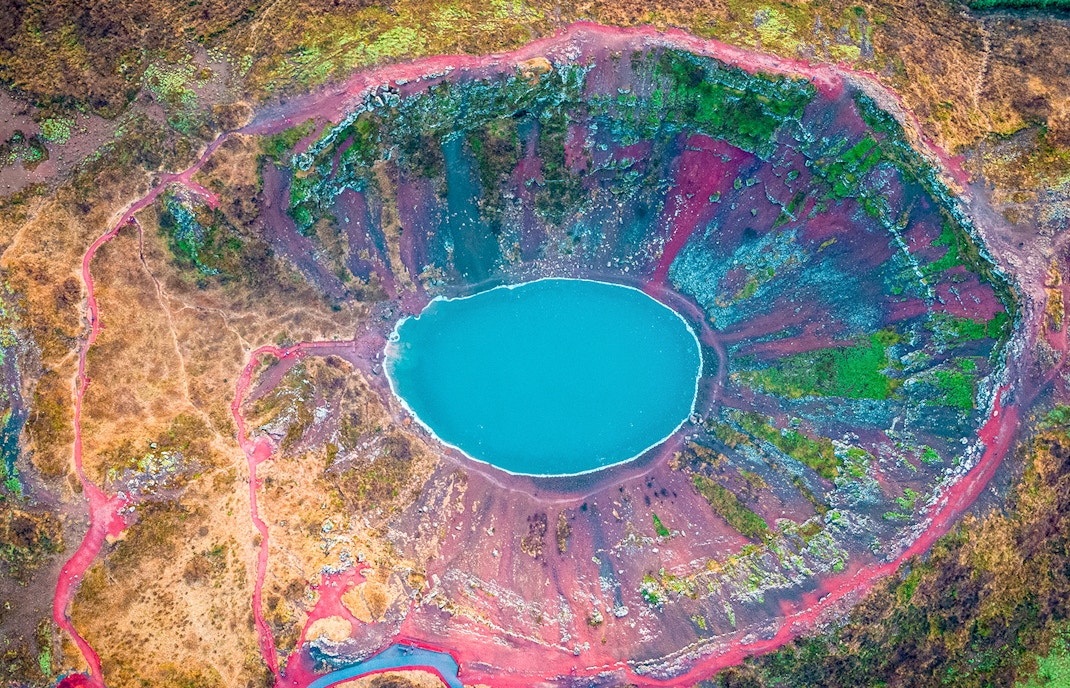
2. Kerið Crater
A striking volcanic caldera filled with vivid blue water and encircled by deep red rock. Its unique palette makes it one of the most photogenic and geologically fascinating craters in Iceland.
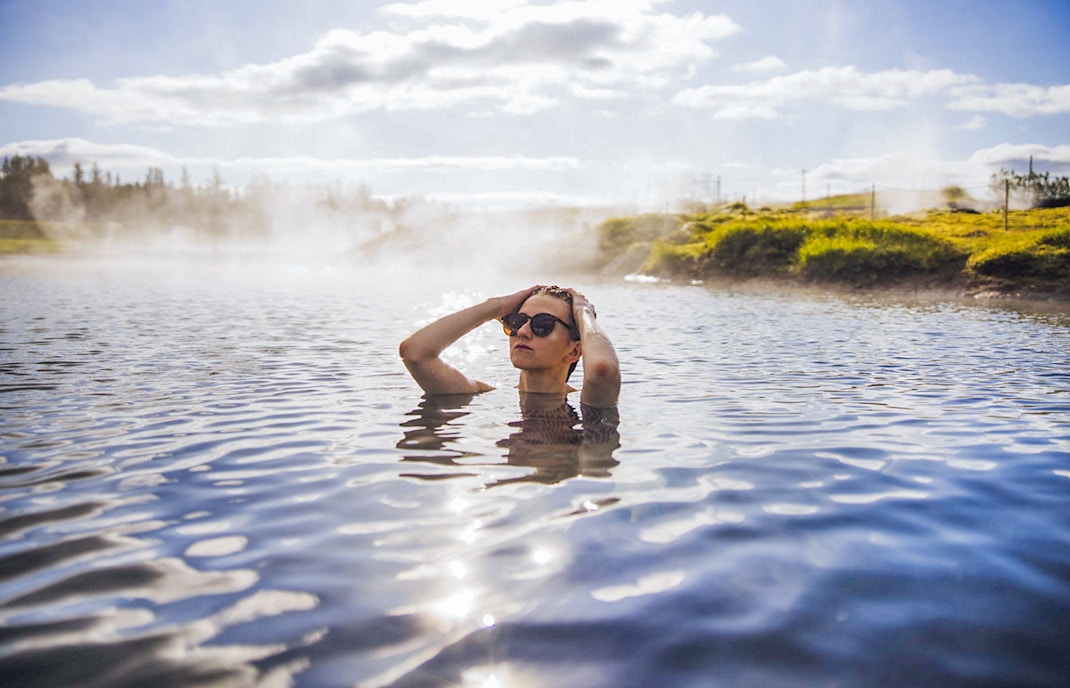
3. Secret Lagoon
This is Iceland’s oldest natural pool surrounded by steaming vents and bubbling hot springs. It’s a peaceful contrast to larger spas and ideal for slow, scenic soaking.
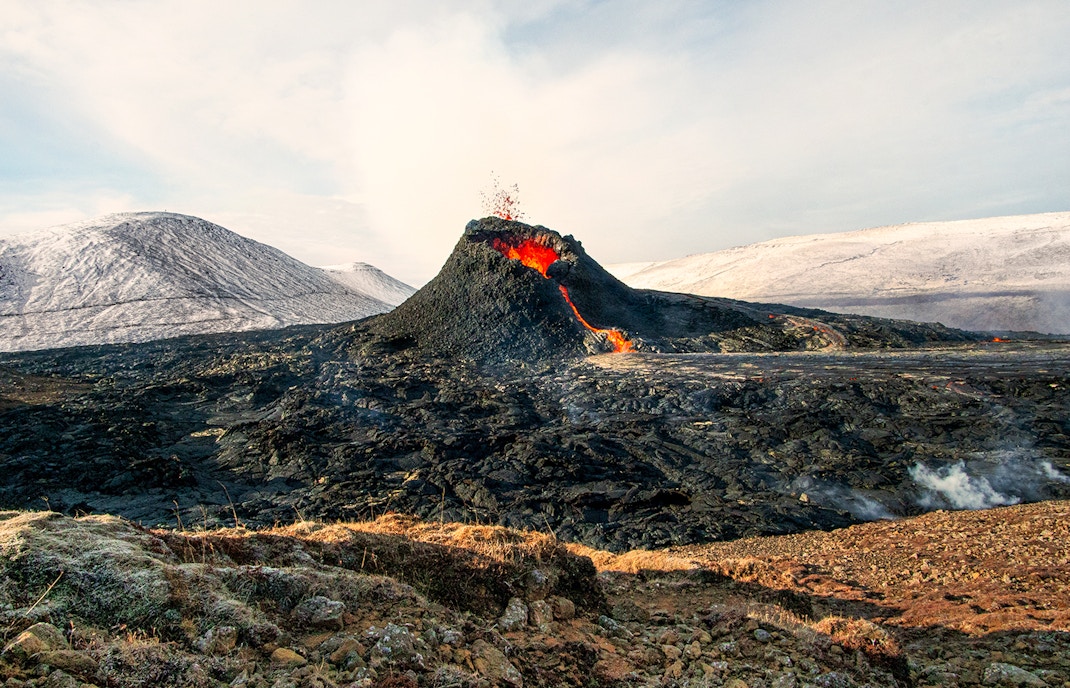
Fagradalsfjall Volcano
Located on the Reykjanes Peninsula, this active volcanic area has had multiple eruptions in recent years. Hiking trails lead across fresh lava fields for a raw, immersive look at Iceland’s ever-changing volcanic landscape.
Where to eat
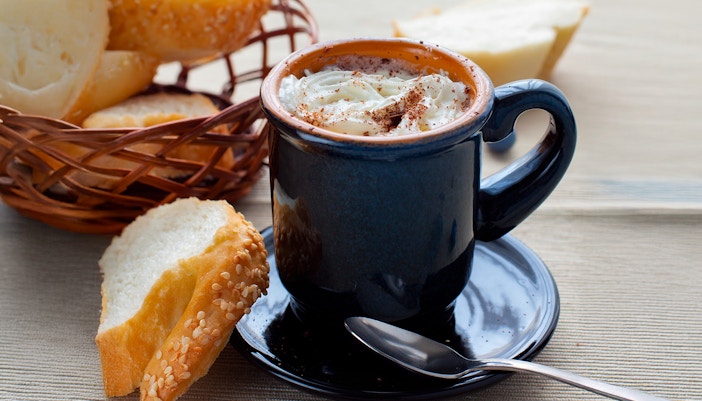
1. Blue Lagoon Café
Casual, quick, and great for a pre- or post-soak bite.
Where it is: Located at the main entrance of the lagoon. View on map →
Cuisine: Light snacks, sandwiches, salads, pastries, coffee.
Rating: ⭐ 4.3/5 on Google
Price point: € – Budget to mid-range
Recommended: Hot Chocolate, Caesar Salad, Smoked Salmon Baguette
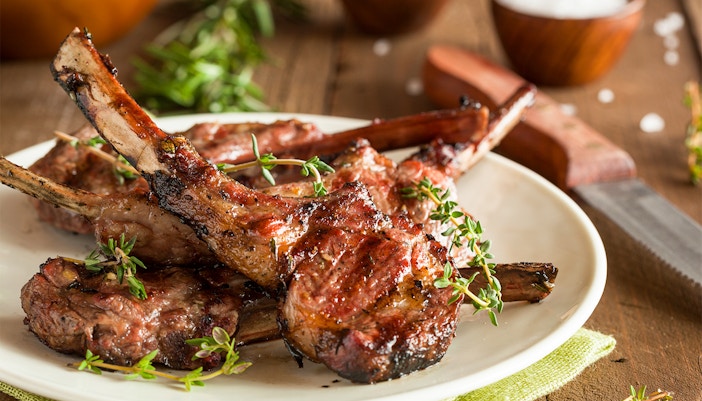
2. Lava Restaurant
An upscale dining experience built into an 800-year-old lava cliff.
Where it is: Overlooking the main lagoon with floor-to-ceiling views. View on map →
**Cuisine: Modern Icelandic cuisine with seafood, lamb, and local ingredients.
Rating: ⭐ 4.4/5 on Google
Price point: €€€ – Upscale
Recommended:** Slow-cooked lamb shoulder with volcanic salt, Arctic charr, Catch of the Day
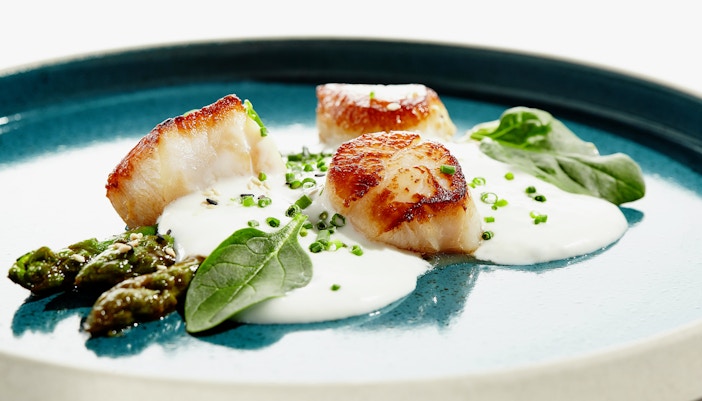
3. Moss Restaurant (Michelin-starred)
Fine dining inspired by Iceland’s volcanic terrain and seasonal produce.
Where it is: Inside The Retreat at Blue Lagoon. View on map →
Cuisine: Tasting menus with geothermal, foraged, and hyper-local ingredients.
Rating: ⭐ 4.7/5 on Google
Price point: €€€€ – Premium fine dining
Recommended: Multi-course tasting menu celebrating Reykjanes flavors, Volcano Desert, Scallop with Moss Foam
Tips for visiting
- Pre-coat your hair with conditioner: The lagoon’s high silica content can make hair dry, stiff, or tangled.
- Rinse swimwear immediately after use: Silica and minerals can build up in fabric and cause irritation or damage. Rinse your bathing suit with fresh water right after your soak.
- Use the free silica & algae masks wisely: At the mask bar, you’ll find four types: Silica Mud, Algae Mask, Mineral Mask, and Lava Scrub. Each has a bioactive role. Apply thin layers and don’t over-exfoliate.
- Limit your mask time for sensitive skin: Use silica or algae masks for only 5–10 minutes. Their fine particles help cleanse, but overstaying can irritate delicate areas.
- Stay hydrated and take breaks: Even though the water is warm (~38 °C), high mineral content means you should drink water regularly and step out to cool down and avoid dehydration.
- Be cautious with jewelry: Remove all metal jewelry before entering; minerals and silica can scratch or damage it, and you risk losing it in the water.
- Avoid contact lenses in the lagoon: The mineral-rich water can irritate or damage your lenses. Many guests recommend wearing old prescription glasses or removing lenses beforehand.
- Understand what you're soaking in: The lagoon water is drawn from 2,000 m below ground, where freshwater and seawater mix, and cools to precipitate silica. This bioactive water supports skin health, thanks to algae and mineral salt content.
Frequently asked questions about planning your visit to Blue Lagoon
It’s roughly 50 minutes from Reykjavík and 20 minutes from Keflavík Airport. Many travellers stop here immediately after landing or before departure.
Yes. Time slots often sell out days or even weeks ahead, especially in summer and holiday periods.
Arrive 15–20 minutes early to check in, shower, store belongings, and avoid cutting into your booked soak time.
Most people stay 2–3 hours, including changing, lagoon time, mask bar visits, and breaks.
Swimsuit, hairbrush, reusable water bottle, and optionally waterproof phone pouch. Towels, lockers, and shampoo/conditioner are usually provided depending on your ticket type.
Children must meet the minimum age requirement (typically 2+) and those under 13 must wear provided floaties and be supervised.
Large suitcases can be stored at the reception for a small fee, making the lagoon convenient between airport transfers.
Some dining venues accept walk-ins without lagoon access, but reservation policies vary — especially for Lava and Moss.
Early mornings and late evenings offer quieter experiences. Winter evenings also give a chance to soak under the northern lights.
The lagoon stays open in rain, snow, and cold, and most weather doesn’t impact the experience. Only severe storms or safety concerns cause closures.


