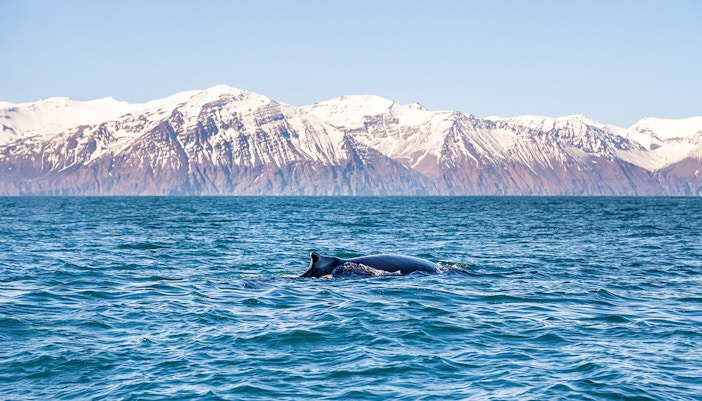
Minke whales are the most commonly sighted whales in Iceland, making them a frequent highlight on whale-watching tours from Reykjavík, Akureyri, and Húsavík. Compact and fast-moving, they often surface briefly before diving again, giving guests repeated spotting opportunities throughout the tour.
Learn about the whale species you can spot during your Iceland whale watching tours
One of the most popular activities in Iceland is whale watching, and over the years, it has only grown in popularity. This is thanks to the nutrient-rich waters formed by the meeting of warm Atlantic and cold Arctic currents, which support abundant plankton and fish and attract whales during the peak season from April to September.
Quick facts
- Iceland is one of Europe’s best whale-watching destinations, with over 20 whale and dolphin species recorded in its waters.
- Humpback whales are the superstars, famous for breaching, tail-slapping, and dramatic dives that thrill first-time viewers.
- Blue whales, the largest animals ever to exist, migrate through Icelandic waters in summer, and seeing one is rare but unforgettable.
- Orcas (killer whales) are often spotted around the Snæfellsnes Peninsula, especially during herring season.
- Minke whales are the most commonly seen in Iceland, making them a frequent highlight on whale-watching tours.
- Cold, nutrient-rich waters around Iceland create a buffet of krill and fish, attracting whales year after year.
- Peak whale season runs from April to October, but some species, like orcas, can be seen even in winter.
Whale species you can spot during your tour
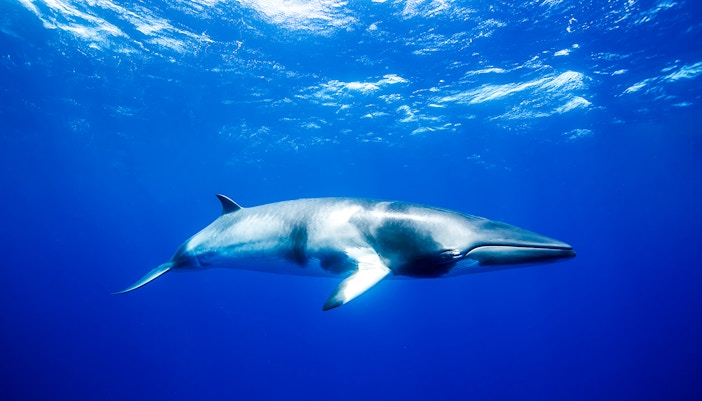
Minke whales
Humpback whales
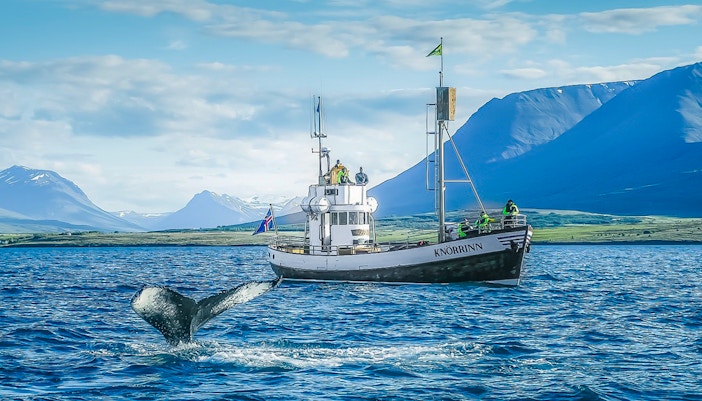
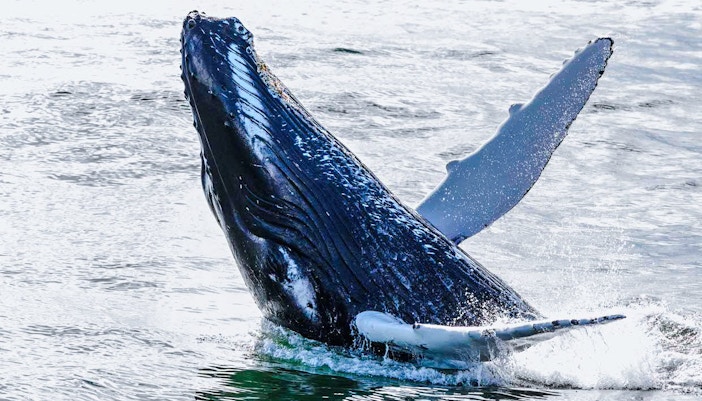
Known for their dramatic behavior, humpback whales are among the most photogenic species seen on Iceland whale-watching tours. Visitors often witness tail slaps, breaching, and deep dives marked by their iconic flukes, especially in North Iceland’s nutrient-rich fjords.
White-beaked dolphins
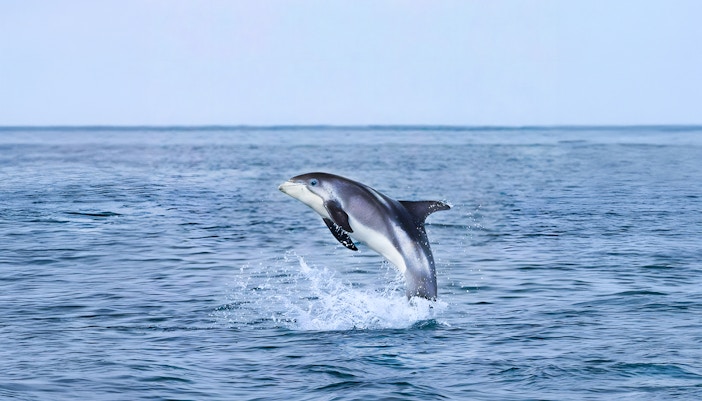
Technically dolphins but commonly included in whale sightings, white-beaked dolphins are playful, social, and fast swimmers. They frequently bow-ride alongside boats, adding an energetic and interactive element to many whale-watching excursions.
Harbor porpoises
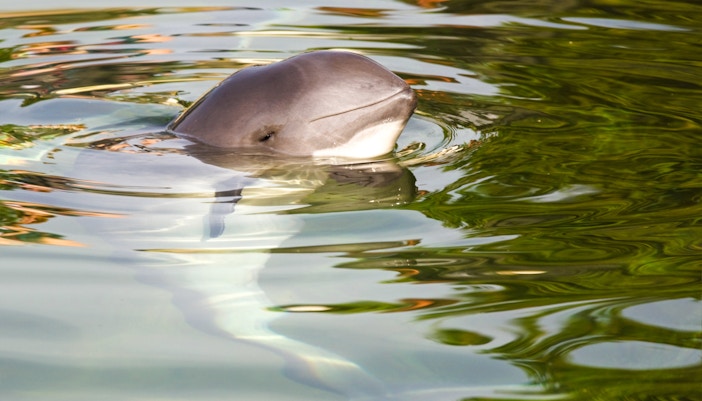
Harbor porpoises are small, shy cetaceans that appear briefly at the surface, often in short bursts. While harder to spot, experienced guides regularly point them out—making them a rewarding sighting for attentive guests.
Orcas (killer whales)
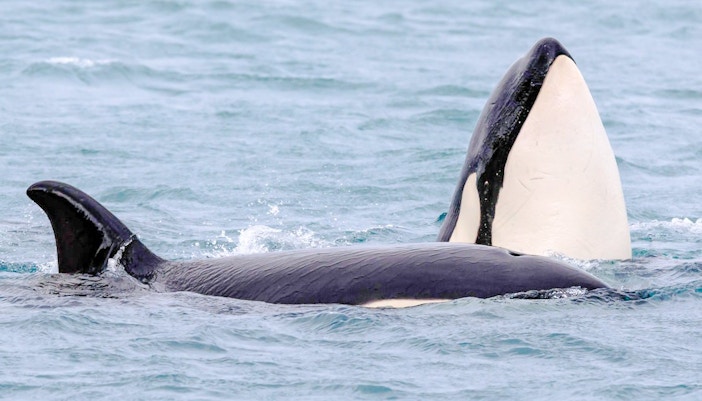
Orcas are most commonly seen around the Snæfellsnes Peninsula, particularly in winter when herring attract them closer to shore. Though less predictable than other species, their size, striking black-and-white markings, and powerful dorsal fins make any sighting unforgettable.
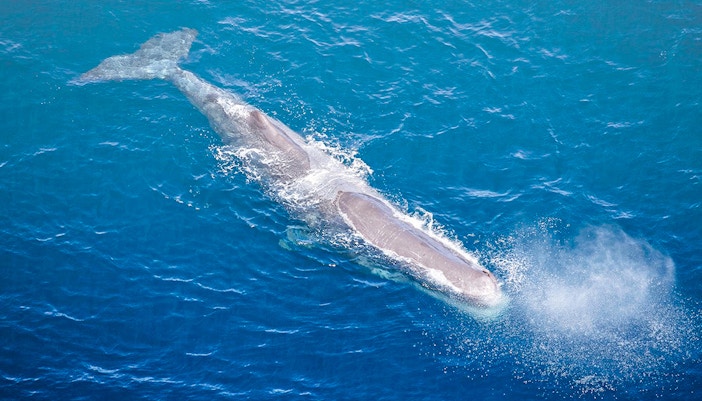
Sperm whales
These are deep-sea divers occasionally spotted off Iceland’s west coast and around deep fjords. While sightings are less frequent, guests may catch a glimpse of their massive square-shaped head or tail fluke before a long dive.
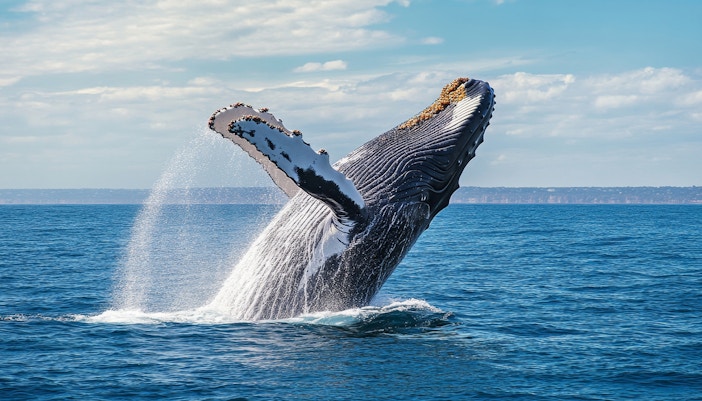
Blue whales
Blue whales are the largest animals ever known to exist, and spotting one on a whale-watching tour in Iceland is considered a rare but extraordinary experience. These giants are occasionally seen during the summer months, particularly in nutrient-rich waters off North Iceland. Sightings are often marked by their towering blow and long, slow surfacing pattern that gives away their immense size.
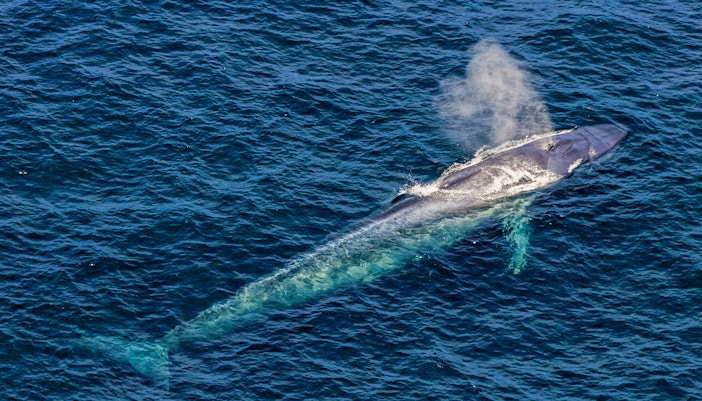
Fin whales
They are the second-largest whales on the planet and are more frequently spotted than blue whales in Icelandic waters. Sleek, fast-moving, and powerful, they are most commonly seen in summer while feeding in offshore areas and deep fjords. Their tall dorsal fin and streamlined body make them easier to identify during longer surface swims.
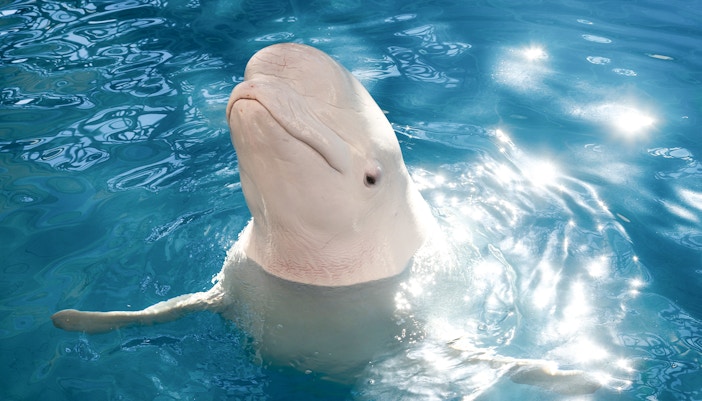
Rare and occasional sightings
On rare occasions, whale-watching tours may encounter beluga whales, narwhals, or long-finned pilot whales, usually as stragglers from Arctic waters. These sightings are uncommon but add an element of surprise to Iceland’s rich marine biodiversity.
What makes Iceland special for whale watching
Iceland’s waters sit at the meeting point of warm and cold ocean currents, attracting over 20 species of whales and dolphins throughout the year. Whether you join a tour in summer under the midnight sun or in winter with snowy fjords as your backdrop, every whale-watching trip offers a unique and unpredictable wildlife experience.
Frequently asked questions about the types of whales in Iceland
The most commonly spotted whales are minke whales, humpback whales, white-beaked dolphins, and harbor porpoises. Rarer sightings include blue whales, fin whales, sperm whales, and orcas.
The minke whale is the most frequently seen whale in Iceland and can be spotted from almost all whale-watching ports, including Reykjavik, Husavik, and Akureyri.
Yes, but sightings are rare. Blue whales are occasionally seen during the summer months, mainly in North Iceland.
The best time for whale watching is April to October, when migratory whales arrive to feed. Summer offers the highest diversity of species, while winter is best for orca sightings, especially around the Snæfellsnes Peninsula.
Yes. While fewer species are present, white-beaked dolphins, harbor porpoises, and orcas are commonly spotted in winter.