Puffin Islands in Iceland | Where to See Puffins

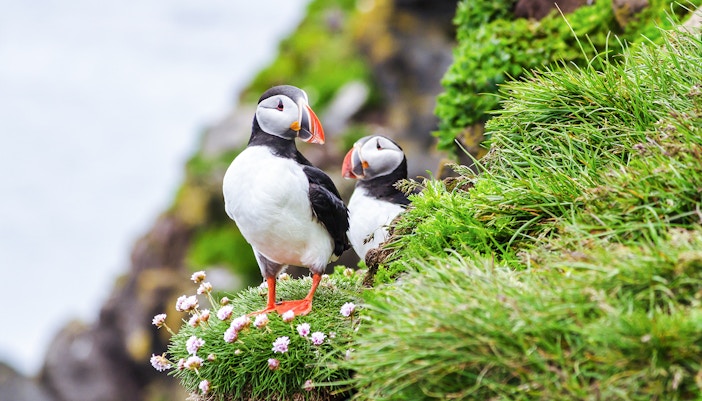
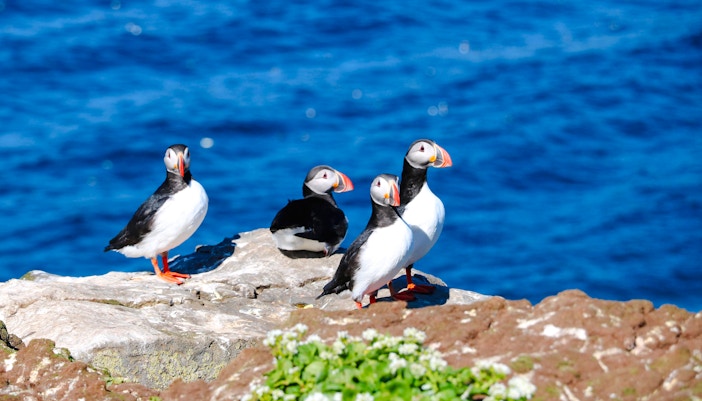
Puffins are often described as “little clowns of the sea” and are often mistaken for penguins because of their upright stance and black-and-white feathers. Found along Iceland’s coastline, these seabirds migrate here every year during mating season, making Iceland one of the world’s best places for puffin watching.

With their colourful beaks, short wings, and playful nature, puffins are a joy to observe in the wild. Puffin watching in Iceland is carried out responsibly, with strict guidelines to protect nesting sites. Iceland is blessed with few puffin islands that offer unique viewing experiences. More about that on this page.

About Puffin Island in Iceland

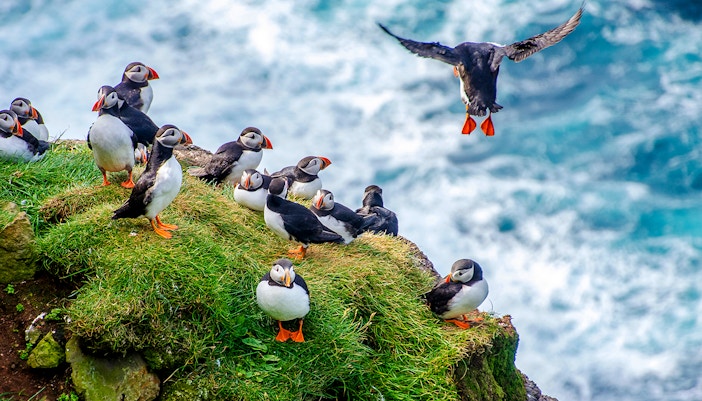
Puffin Islands in Iceland are small, uninhabited islands reserved almost entirely for nesting seabirds, with puffins as the star residents. These islands sit just off the coast near Reykjavík, Húsavík, and along Iceland’s western and northwestern shores, where steep cliffs and grassy slopes provide ideal nesting conditions. During the breeding season, puffins return here in vast numbers, transforming these quiet islands into some of the most densely populated seabird colonies in the country.

Iceland is home to an estimated 8–10 million puffins, making it one of the world’s largest puffin habitats. On individual Puffin Islands, colonies can range from tens of thousands to over a hundred thousand birds, depending on location and season. These islands are carefully protected, with human access limited to guided tours only.

Puffin watching hotspots in Iceland

Lundey (Skjálfandi)

Bay: Skjálfandi Bay
Nearest city: Húsavík, North Iceland

This small, uninhabited island lives up to its name, Lundey literally means Puffin Island and hosts hundreds of thousands of Atlantic puffins during the breeding season. Sheltered by rich feeding waters, it’s a magnet for seabirds from May to August. Some tours from Húsavík combine whale and puffin watching, offering spectacular wildlife views from the boat.
Lundey (Faxaflói) 

Bay: Faxaflói Bay
Nearest city: Reykjavík
Just off Reykjavík’s coast, this Lundey hosts seasonal puffin colonies along its grassy slopes. Go on a puffin watching tour and you’ll get stunning coastal views of Reykjavík while spotting kittiwakes, guillemots, and other seabirds at sea.

Akurey

Bay: Faxaflói Bay
Nearest city: Reykjavík

Akurey is a quieter, low-lying island near Reykjavík that supports puffins and multiple seabird species. It’s less famous than Lundey but still a worthy stop on a coastal wildlife tour.

Heimaey 

Bay: Off the South Coast near Landeyjahöfn
Nearest city: Vestmannaeyjabær (town on Heimaey)
Heimaey is the largest and most famous puffin hotspot in Iceland. It’s home to one of the world’s biggest puffin colonies, with puffins nesting in burrows across its grassy hills and sea cliffs. Local kids participate in “pysja patrols,” rescuing confused young puffins and releasing them back to sea. The best part is you can even land and walk good birdwatching trails right among the nesting areas, usually from April through August.

Puffin Island (Húsavík)

Bay: Skjálfandi Bay
Nearest city: Húsavík
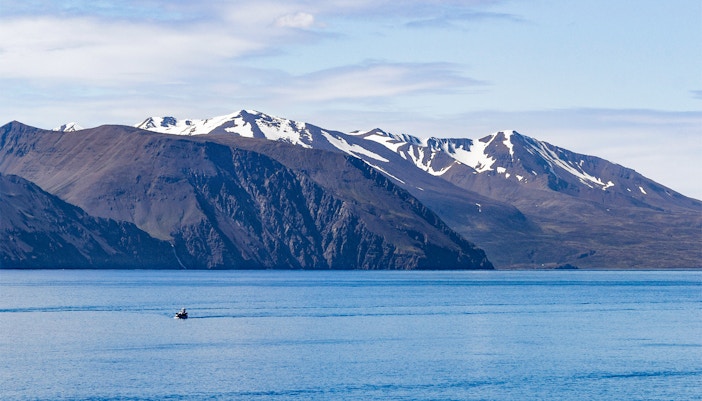
Often synonymous with the local Lundey in Skjálfandi, this Puffin Island is a North Iceland favourite for seasonal birdlife. Its dramatic cliffs and open sea draws puffins and other seabirds alike. Skjálfandi Bay is also popular for whale watching so you might see humpbacks and puffins on the same tour.

Recommended tour: Whale Watching and Puffin Boat Tour

Papey

Bay: Off Djúpivogur / East Fjords
Nearest city: Djúpivogur
Papey is a small, serene island that once hosted human settlements; now it’s known for rich birdlife including puffins and scenic ruins.  Papey’s mix of history (old farmhouses, lighthouse, church) and puffin colonies makes it uniquely atmospheric.The boats depart from Djúpivogur in summer; you can circle the island and often disembark for guided visits when permitted.

Frequently asked questions about Puffin Island in Iceland

Most Puffin Islands are protected nature reserves, and landing is either restricted or completely prohibited. In many cases, puffin watching is done from boats to avoid disturbing nesting birds.